How to Get Rid of Blue Light: Reduce Eye Strain and Improve Your Sleep
Blue light, also known as high-energy visible (HEV) light, is a type of electromagnetic radiation that has become increasingly prevalent in our daily lives, thanks to the widespread use of electronic devices and energy-efficient LED lighting. Exposure to blue light has been linked to various health concerns, including eye strain, disrupted sleep patterns, and even premature aging.
What are the Risks of Blue Light Exposure?
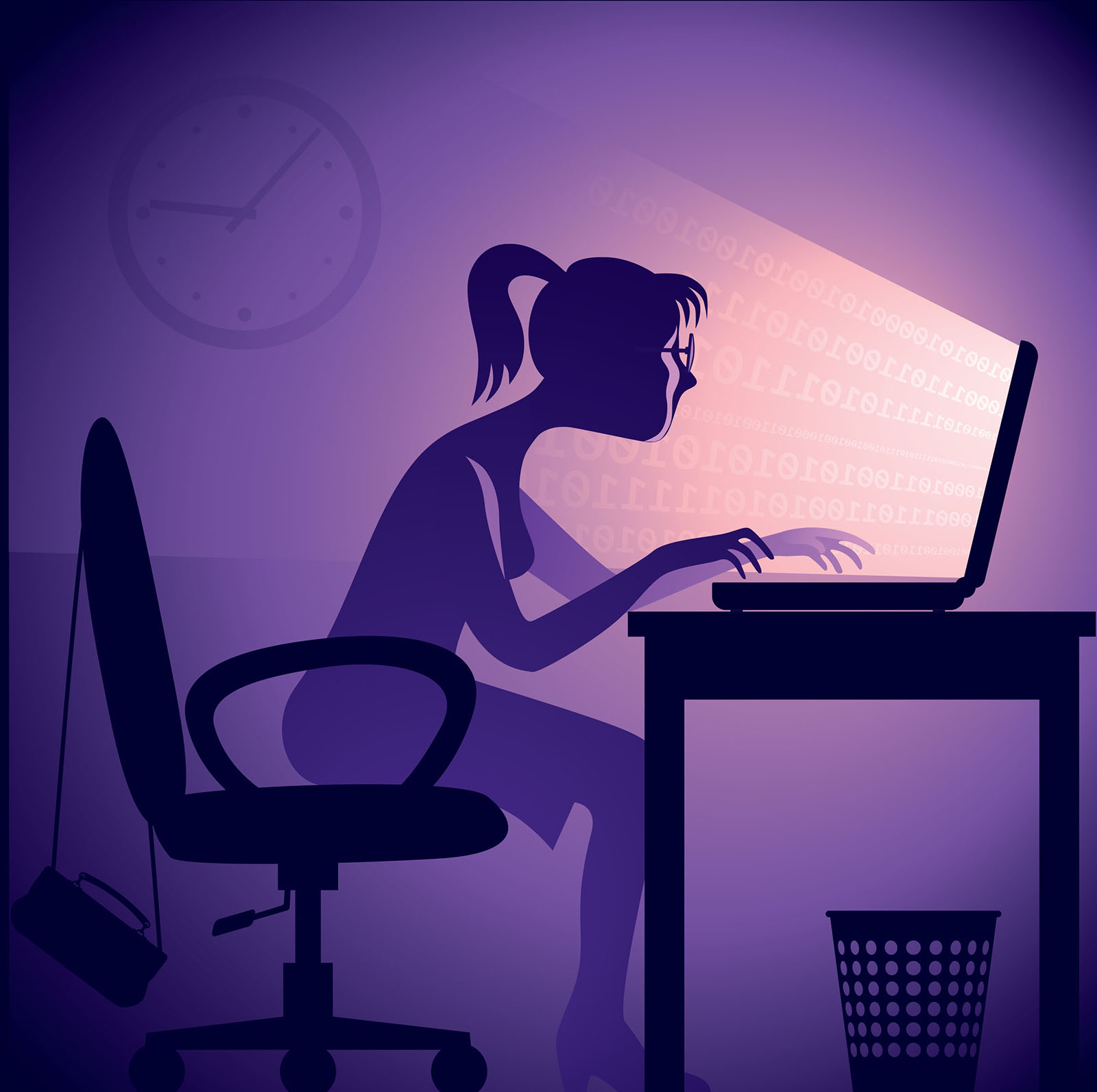
Research has shown that blue light emitted by devices such as smartphones, tablets, and laptops can interfere with our natural sleep cycle and cause eye strain, headaches, and fatigue. Furthermore, prolonged exposure to blue light may lead to premature skin aging, as it can damage the cells that are responsible for collagen production.
How to Reduce Blue Light Exposure
To minimize the risks associated with blue light exposure, it is essential to understand how to get rid of blue light from your digital devices and environment. Here are some simple and effective ways to reduce blue light exposure and improve your overall health:
Enable Night Shift Mode: Most modern devices, including smartphones, tablets, and laptops, have a built-in feature that allows you to switch to a warmer color temperature, which reduces blue light emission. This feature is often called Night Shift or Blue Light Filter.
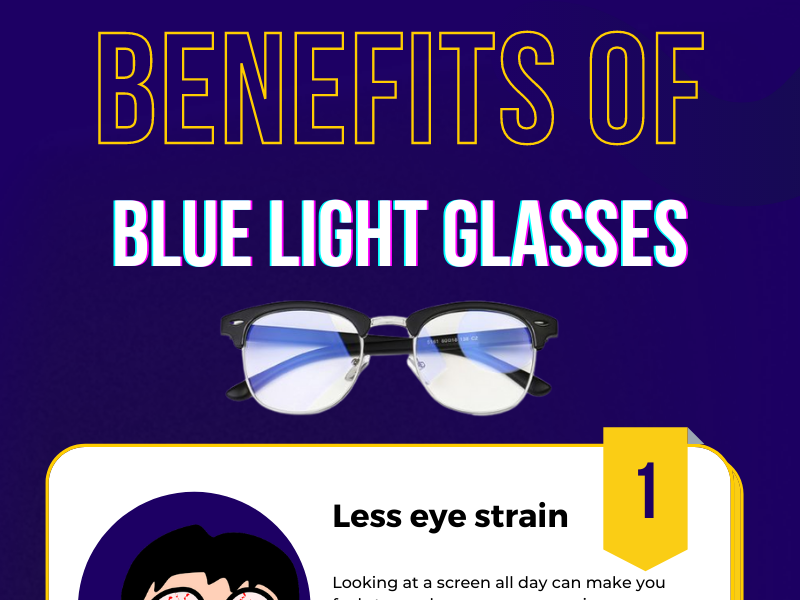
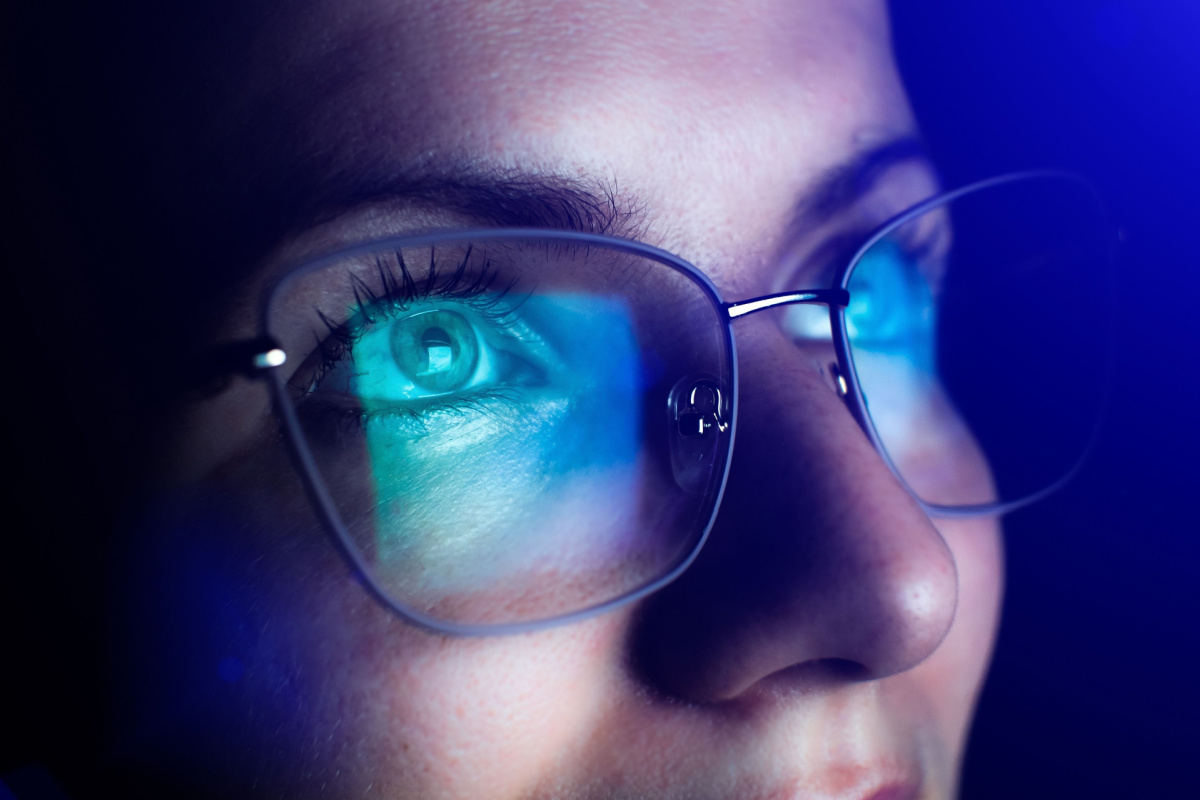
Use Blue Light Blocking Glasses: If you work extensively on digital devices, consider investing in blue light blocking glasses. These glasses can help filter out blue light emission and reduce eye strain.
Adjust Your Device Settings: Many devices allow you to adjust the color temperature of the screen. Look for the settings menu and adjust the display to reduce blue light emission.
Replace LED Lighting with Warm Bulbs: LED lighting, although energy-efficient, can emit blue light. Consider replacing LED bulbs with warm-colored bulbs, such as incandescent or halogen bulbs, to minimize blue light exposure in your home.
Establish a Pre-Sleep Routine: Develop a relaxing pre-sleep routine that involves disconnecting from digital devices at least an hour before bedtime. Read a book, meditate, or engage in other calming activities to signal to your brain that it's time to sleep.

Benefits of Reducing Blue Light Exposure
Reducing blue light exposure can have numerous benefits for your overall health and well-being. Some of the benefits include:
Improved sleep quality: By reducing blue light emission, you can improve your sleep quality and wake up feeling refreshed and energized.
Reduced eye strain: Lowering blue light exposure can alleviate eye strain and reduce the risk of headaches and fatigue.
Healthier skin: By minimizing blue light exposure, you can reduce the risk of premature skin aging and promote healthier skin.
Increased productivity: By establishing a healthy sleep routine and reducing blue light exposure, you can improve your focus and productivity during the day.
Conclusion
Getting rid of blue light is a straightforward process that can have a significant impact on your overall health and well-being. By implementing the tips outlined in this article, you can reduce blue light exposure and enjoy a range of benefits, including improved sleep quality, reduced eye strain, and healthier skin.
Remember, it's essential to be aware of the potential risks associated with blue light exposure and take proactive steps to minimize its effects. By making a few simple adjustments to your digital devices and environment, you can enjoy a healthier and happier life.