Understanding Expiration Dates of Over-the-Counter Medicine
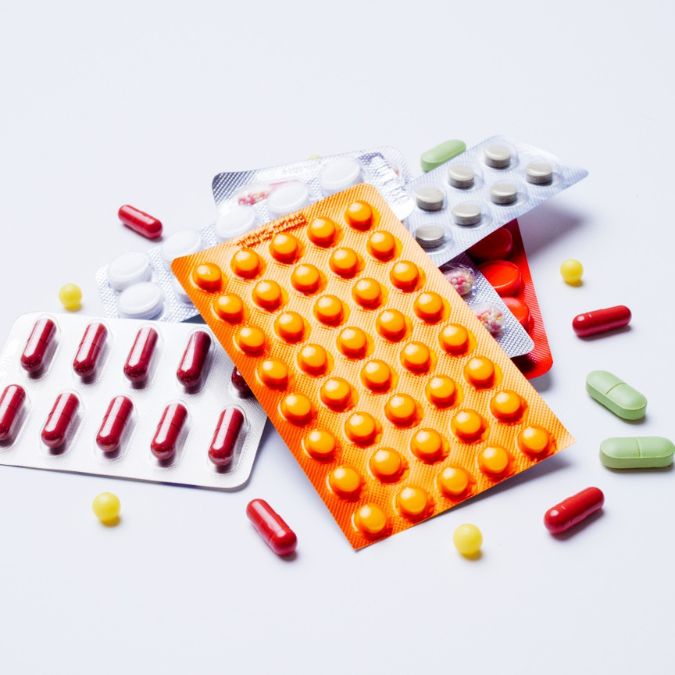
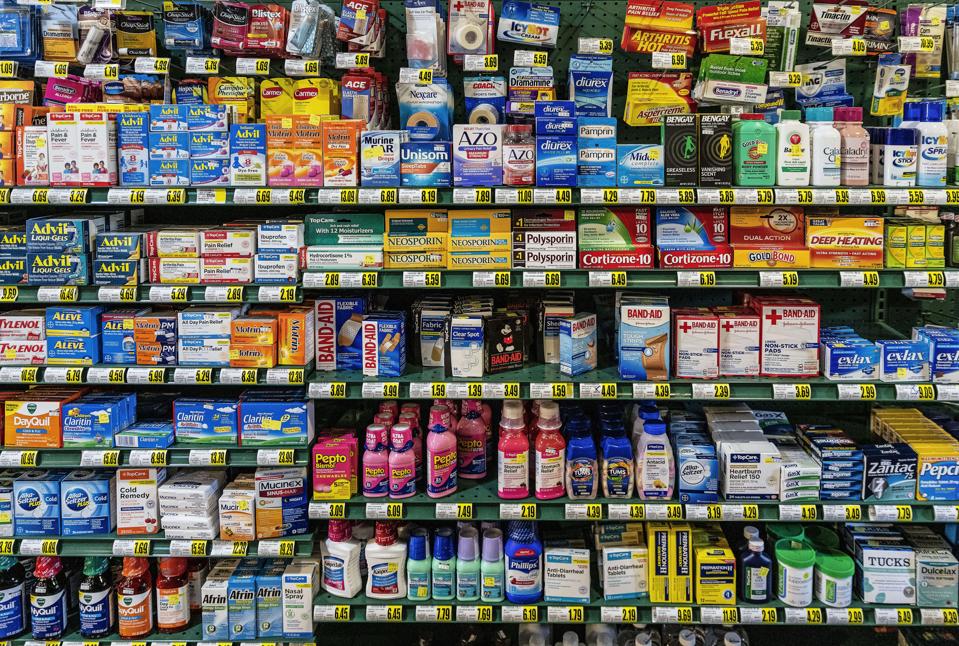
When it comes to over-the-counter (OTC) medications, understanding the expiration date is crucial to ensure safety and efficacy. The expiration date, also known as the date of expiration or shelf life, is a guarantee by the manufacturer that the medicine will retain its potency and safety until that date. In this article, we will delve into the importance of expiration dates of OTC medicine, how they are determined, and what to do when they expire.
Determining Expiration Dates
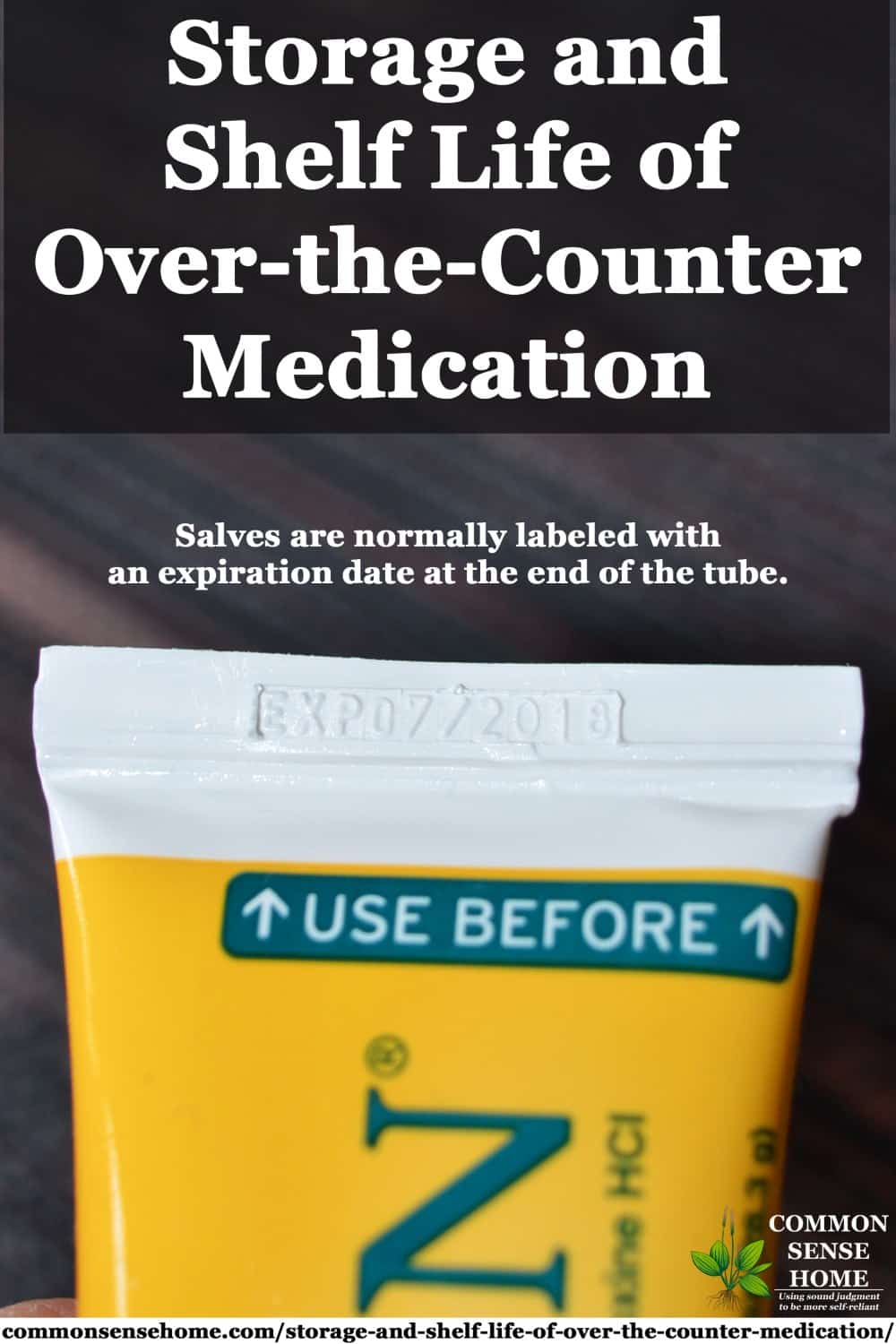
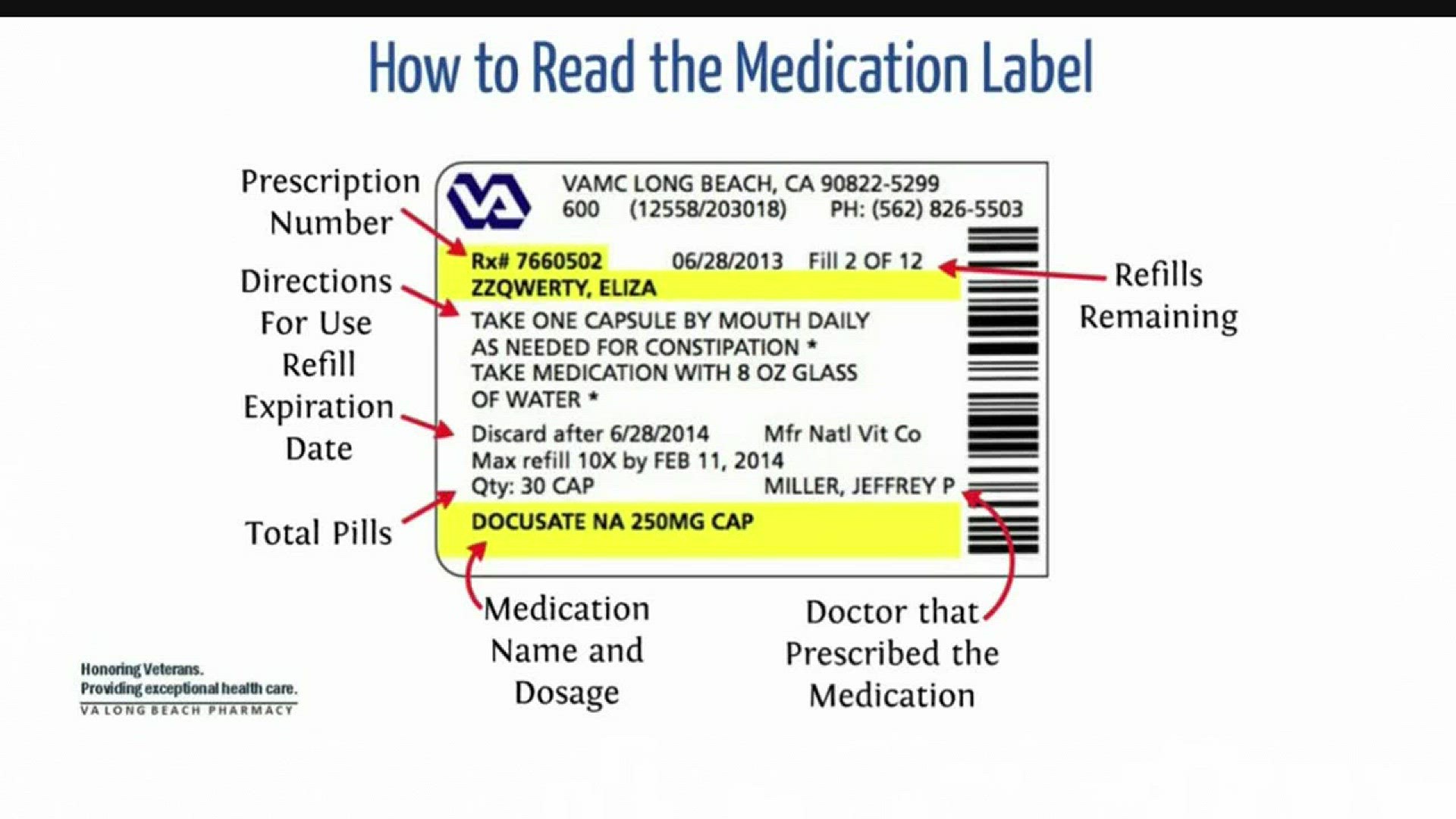
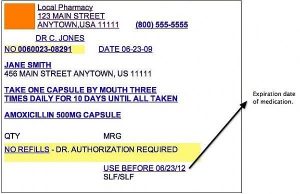
Expirations dates are typically stamped onto the packaging of OTC medications. The date format is usually in the format of month and year, e.g., "February 2025." The manufacturer guarantees the safety and potency of the medicine until that date, provided it is stored properly. Factors such as storage conditions, temperature, and humidity can affect the expiration date of a medication. The U.S. Food and Drug Administration (FDA) requires drug manufacturers to include an expiration date on products, including prescription and OTC medications, since 1979.
Expiration Dates of Over-the-Counter Medicine
Expiration dates of OTC medications are crucial to ensure the safety and efficacy of the medicine. Consuming expired OTC medications can lead to reduced effectiveness, adverse reactions, or even poisoning. While expired OTC medications like ibuprofen and acetaminophen are generally safe to take, it is recommended to use them until they are completely gone. It is essential to check the expiration date, store medications properly, and dispose of them safely when they are no longer effective.
Factors Affecting Expiration Dates
The shelf life of OTC medications depends on various factors, including storage conditions, temperature, and humidity. Certain medications, such as vaccines and biologics, have a shorter shelf life due to the risk of contamination and degradation. Adequate storage conditions, such as those specified by the manufacturer, can help extend the shelf life of medications. On the other hand, exposure to heat, light, or moisture can reduce the potency and safety of medications.
Consequences of Selling Expired Medications
The sale of expired OTC medications can have severe consequences, including financial penalties and damage to brand reputation. In a settlement with California district attorneys, Walgreens agreed to pay $6 million for allegedly overcharging consumers and selling expired OTC medications. The lawsuit alleged that the retail giant violated laws prohibiting the sale of OTC medications, infant formula, and baby food products beyond their expiration dates. Moreover, sellers are liable for any adverse reactions caused by the consumption of expired medications.
Storage and Disposal of OTC Medications
Proper storage and disposal of OTC medications are essential to ensure their efficacy and safety. Users should check the expiration date, store medications in their original packaging, and dispose of them safely when they are no longer effective. Additionally, proper storage conditions, such as those specified by the manufacturer, can help extend the shelf life of medications.
Storage Conditions
- Room temperature (15°C to 30°C or 59°F to 86°F)
- Away from direct sunlight
- At a humidity level between 30% and 60%
- Not exposed to moisture or water
What to Do with Expired OTC Medications
When an OTC medication expires, do not consume it unless instructed by a healthcare professional. It is essential to dispose of expired medications safely to prevent contamination and potential harm. Here are some steps to follow:
- Check the expiration date on the packaging
- Verify the medication's safety and efficacy with a healthcare professional
- Dispose of the medication properly, such as through a medication take-back program or a hazardous waste collection facility
- Replace the expired medication with a newer version
Conclusion
Understanding expiration dates of OTC medications is crucial to ensure their safety and efficacy. By checking the expiration date, storing medications properly, and disposing of them safely, users can minimize the risk of adverse reactions and contamination. Sellers and manufacturers are also liable for any consequences resulting from the sale of expired medications. Remember, the expiration date is a guarantee by the manufacturer, and it is essential to respect it to ensure optimal health and safety.