How to Learn Python Programming: A Comprehensive Guide for Beginners
Python is an increasingly popular and versatile programming language that has become a go-to choice for beginners and experienced developers alike. With its simple syntax, extensive libraries, and vast community support, Python has become a staple in various fields such as data science, machine learning, web development, and more. In this article, we will guide you through the process of learning Python programming, from the basics to more advanced concepts.
Step 1: Get Started with Python
Before diving into the world of Python programming, it's essential to have the right tools and resources. Here are a few steps to get you started:
Download and install Python from the official Python website.
Familiarize yourself with a code editor or IDE (Integrated Development Environment) such as PyCharm, VSCode, or Sublime Text.
Explore online resources, tutorials, and documentation to learn the basics of Python syntax and data types.
Step 2: Learn the Fundamentals of Python
Now that you have the necessary tools, it's time to dive into the world of Python programming. Here are a few essential topics to cover:
Variables, data types, and operators
Control structures: if-else statements, loops (for and while), and conditional statements
Functions: defining, calling, and passing arguments
Modules and packages: importing, using, and organizing libraries
Step 3: Practice and Build Projects
Practice is key to mastering Python programming. Here are a few ways to hone your skills:
Work on projects: start with simple tasks such as calculators, quizzes, and games, and gradually move on to more complex projects.
Participate in coding challenges and hackathons: websites like HackerRank, LeetCode, and CodeWars offer a variety of challenges to test your skills.
Join online communities: engage with other Python enthusiasts on forums, social media, and discussion groups to learn from their experiences and get feedback on your code.
Step 4: Learn Advanced Concepts and Specialize
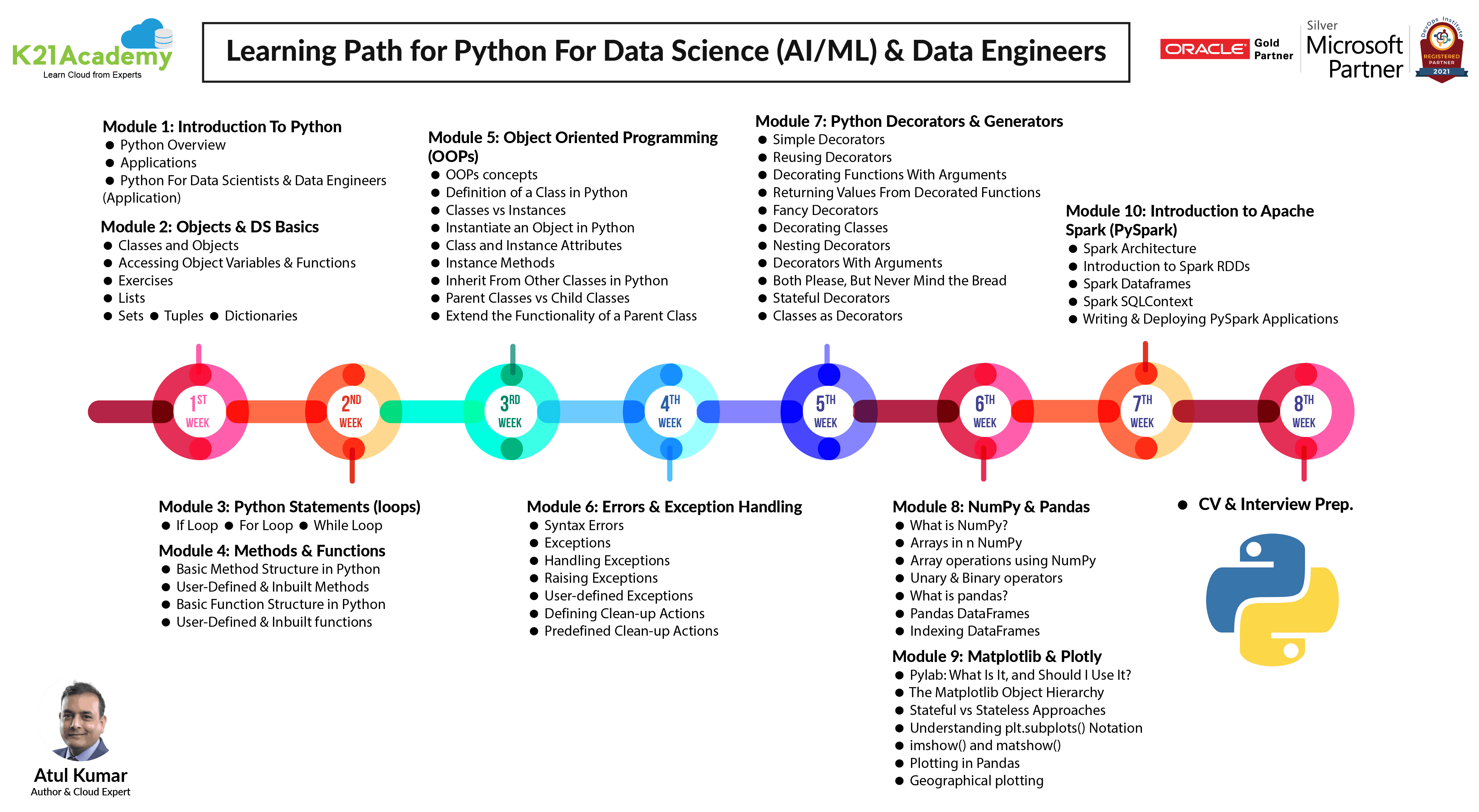
Once you've built a solid foundation in Python programming, it's time to explore advanced concepts and specialize in a particular area:
Object-Oriented Programming (OOP): learn about classes, inheritance, polymorphism, and encapsulation.
Data structures and algorithms: explore topics such as lists, dictionaries, sets, and graph traversal.
Machine Learning and Data Science: learn about popular libraries such as Scikit-learn, TensorFlow, and NumPy.
Web Development: explore frameworks such as Flask and Django to build web applications.
Step 5: Stay Updated and Network
Finally, it's essential to stay updated with the latest developments in the Python world and network with other professionals:
Follow Python-related blogs, news outlets, and social media channels.
Attend conferences, meetups, and workshops to learn from experienced professionals and network with like-minded individuals.
Participate in open-source projects and contribute to the Python community.
Resources to Learn Python Programming
Here are some additional resources to help you learn Python programming:
Codecademy's Python Course: a interactive and comprehensive resource for beginners.
Python.org: the official Python website offers extensive documentation, tutorials, and resources.
Automate the Boring Stuff with Python: a free online book that focuses on practical automation tasks.
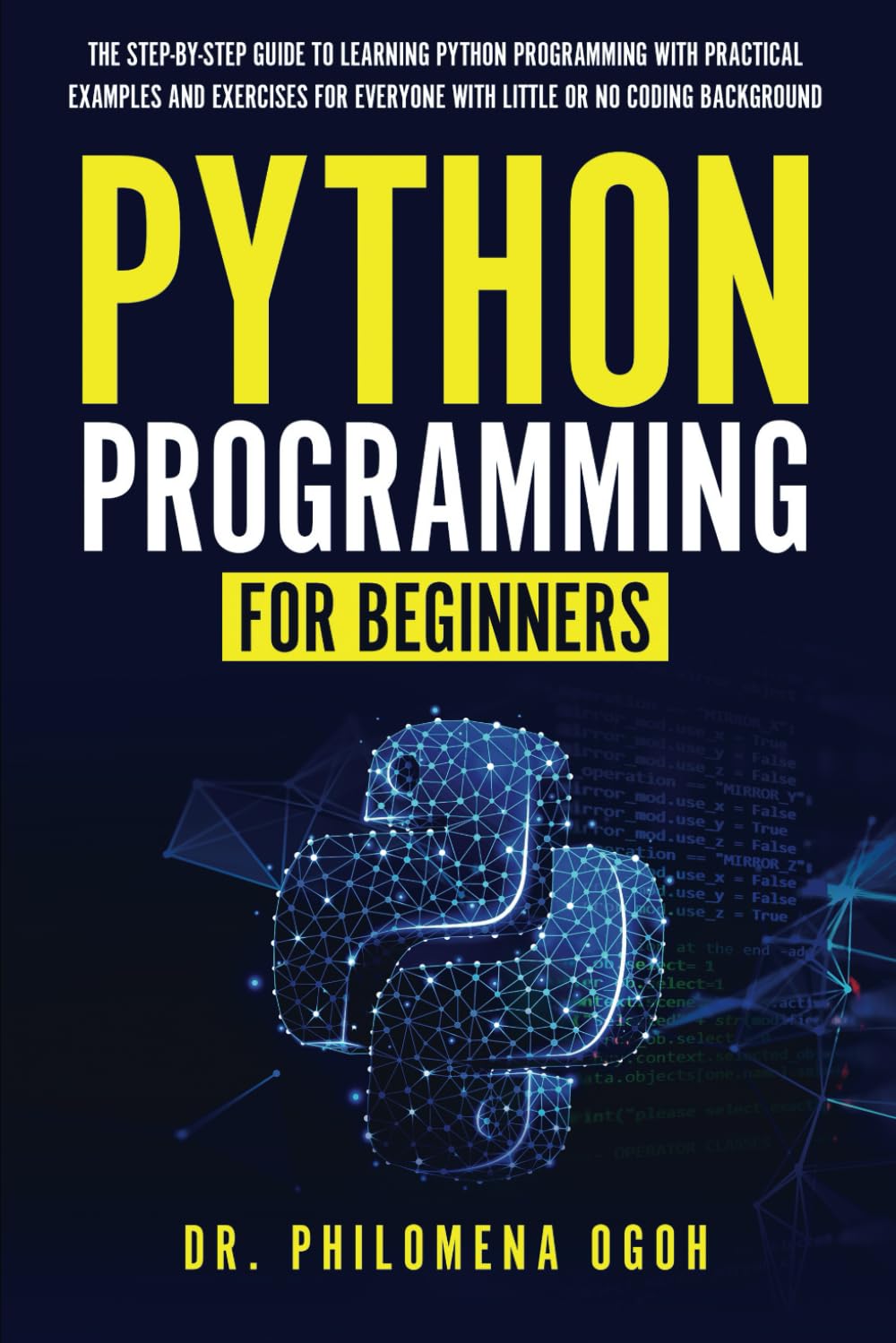
Python Crash Course: a comprehensive book that covers the basics and advanced topics.
Conclusion
Learning Python programming requires dedication, practice, and persistence. By following these steps and leveraging the resources listed above, you'll be well on your way to mastering Python and unlocking its vast possibilities. Remember to stay updated, network with other professionals, and never stop learning.






.jpg "Free Python books - pythonbooks.org")
![Python Exercises, Practice, Challenges [385+ Exercises] - PYnative](https://soft.connect4techs.com/wp-content/uploads/2023/09/Basic-Python-Handwritten_page-0001-1.jpg "Python Exercises, Practice, Challenges [385+ Exercises] - PYnative")