How to Learn Python XML Parsing: A Comprehensive Guide
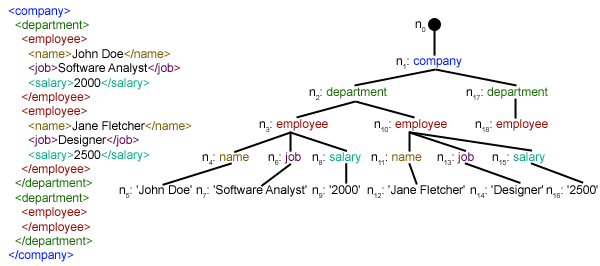
XML (eXtensible Markup Language) is a widely used format for storing and transporting data, and Python offers powerful and user-friendly libraries that make navigating, extracting, and modifying XML data straightforward and efficient. In this article, we'll explore practical methods to parse XML using Python, highlighting easy-to-follow examples and helpful tips to streamline your data processing tasks. Whether you're a beginner or an experienced developer, this guide will help you learn how to parse XML in Python like a pro.
Understanding XML Parsing in Python
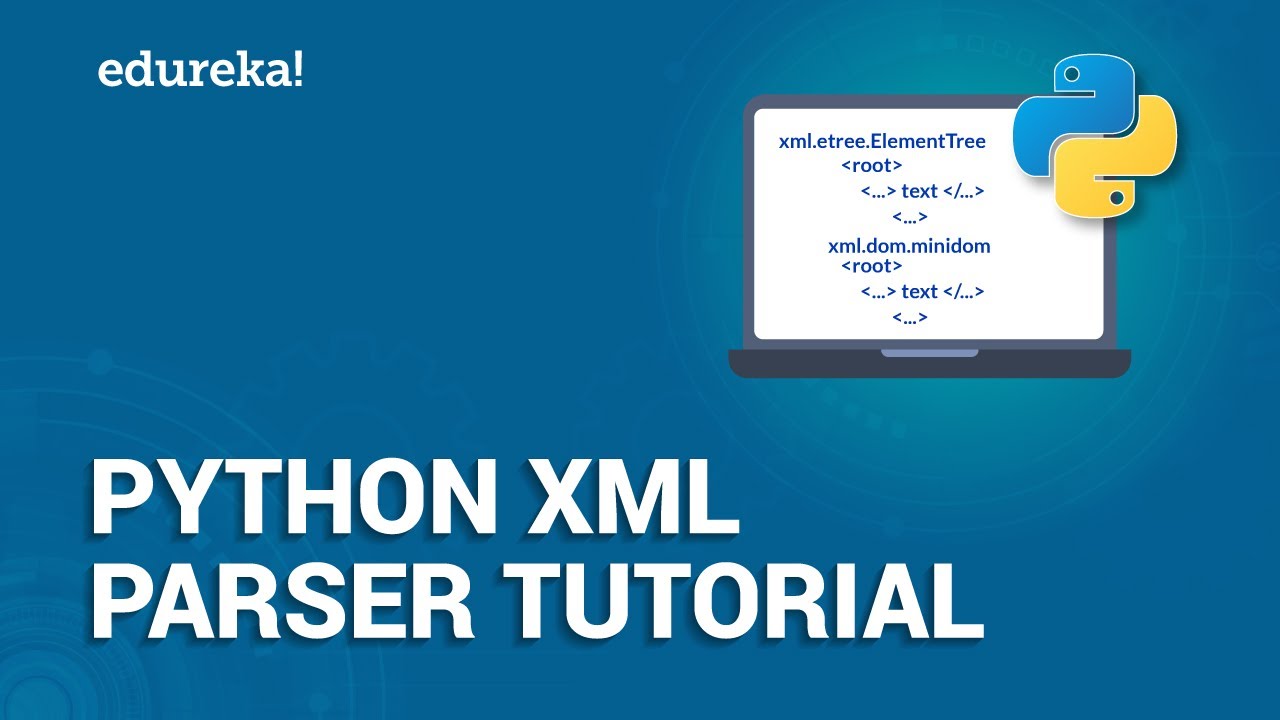
XML parsing in Python involves using libraries to read, write, and manipulate XML documents. The `xml` package provides tools for parsing XML files, creating XML documents, or extracting data from XML structures. Python's built-in libraries for XML parsing include `xml.etree.ElementTree`, which is a popular choice due to its ease of use and versatility.
Choosing the Right XML Parsing Library
There are several XML parsing libraries available in Python, each with its strengths and weaknesses. Some popular options include:
- `xml.etree.ElementTree`: A built-in library that is easy to use and provides a simple way to parse and manipulate XML documents.
- `lxml`: A third-party library that is more powerful than `xml.etree.ElementTree` but also more complex to use.
- `BeautifulSoup`: A library that is primarily used for parsing HTML documents but can also be used for XML parsing.
When choosing an XML parsing library, consider the following factors:
- Complexity: How easy is the library to use?
- Performance: How quickly can the library parse and manipulate XML documents?
- Features: What features does the library provide, such as support for XPath expressions or XML schema validation?
XML Parsing with Python: A Step-by-Step Guide
Here's a step-by-step guide to parsing XML in Python using the `xml.etree.ElementTree` library:
- Import the `xml.etree.ElementTree` library.
- Parse the XML document using the `parse()` method.
- Access the XML document's elements using the `getroot()` method.
- Iterate over the XML document's elements using a loop or recursion.
- Extract the desired data from the XML document using techniques such as XPath expressions or attribute access.
XML Parsing Examples in Python
Here are some code examples that demonstrate how to parse XML in Python using different libraries and techniques:
- `xml.etree.ElementTree`: Parse an XML document and extract data using XPath expressions.
- `lxml`: Parse an XML document and extract data using XPath expressions.
- `BeautifulSoup`: Parse an HTML document and extract data using CSS selectors.
Conclusion
XML parsing in Python is a crucial skill for any developer working with data in various formats. By choosing the right library and technique, you can parse and manipulate XML documents efficiently and effectively. In this article, we've provided a comprehensive guide to learning Python XML parsing, including an overview of the `xml` package, a comparison of popular XML parsing libraries, and step-by-step examples of how to parse XML in Python using different libraries and techniques.