FOMO and its Effects on Motivation
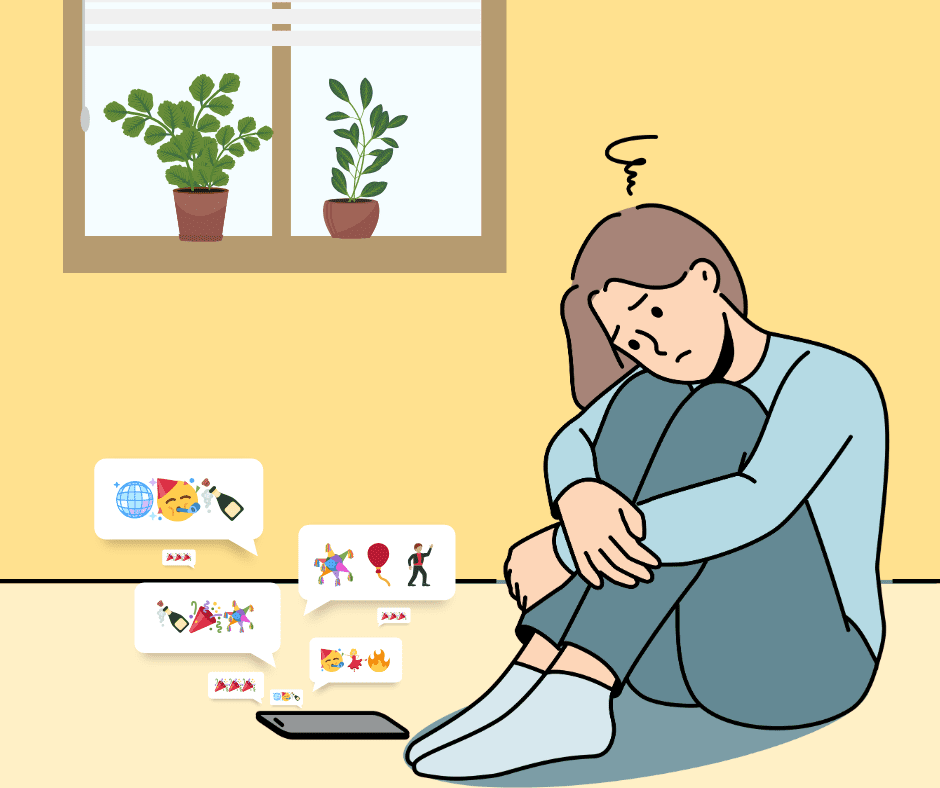
The fear of missing out (FOMO) has become a widespread phenomenon in today's digital age, particularly among younger generations. FOMO is a feeling of anxiety or apprehension that others are having rewarding experiences while one is missing out, and a constant need to stay connected with one's social network. In this article, we will explore the relationship between FOMO and motivation, and discuss how it affects individuals' decision-making, emotional well-being, and behavior.
Understanding FOMO
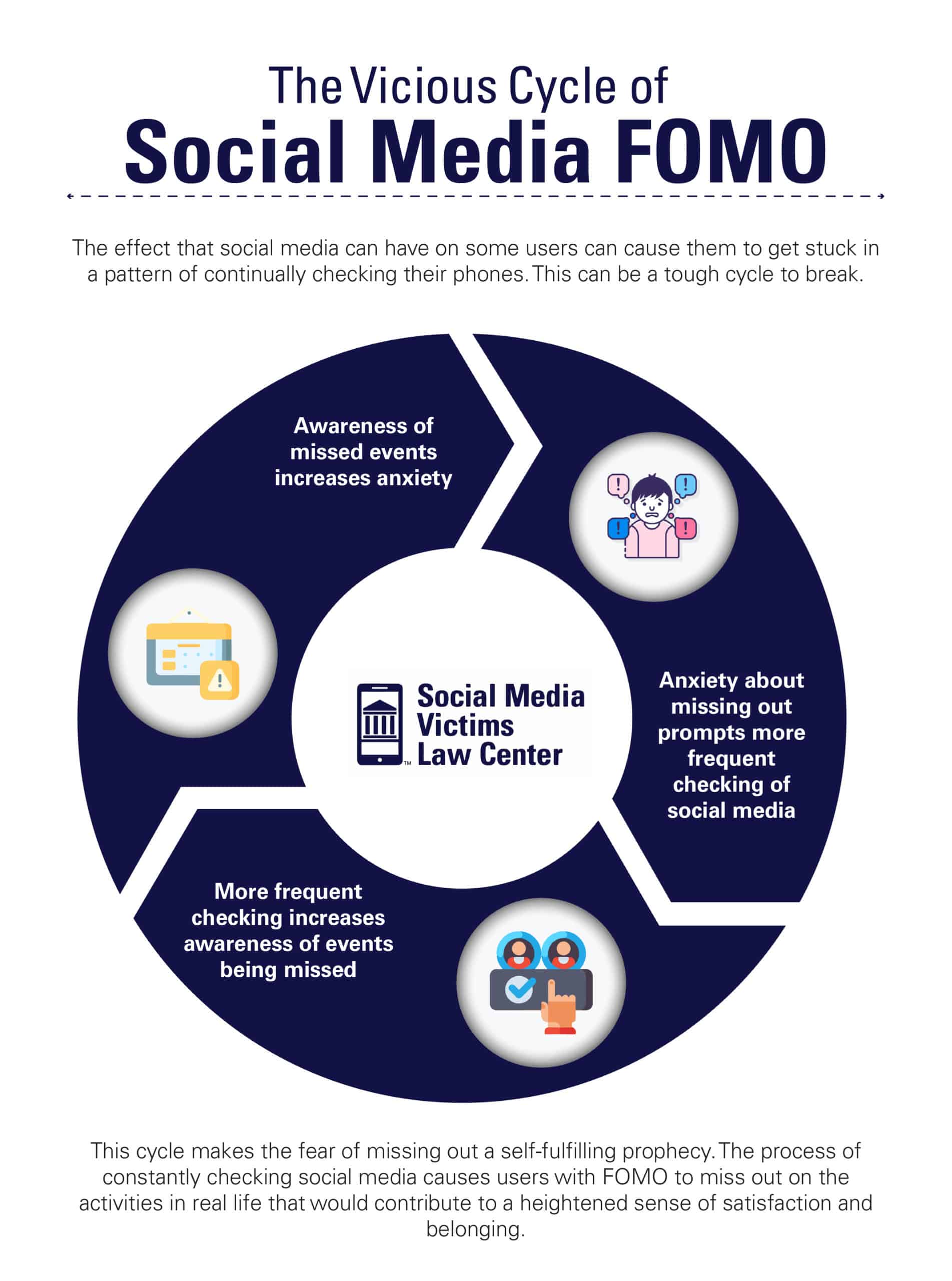
FOMO is often linked to social media use, but it is essential to understand its broader implications. Research suggests that FOMO is a complex construct, driven by psychological and social factors. The perception of missing out, followed by a compulsive behavior to maintain social connections, is a characteristic of FOMO. This behavior can lead to a range of negative effects, including decreased motivation, anxiety, and a sense of inadequacy.
Effects of FOMO on Motivation
One of the significant effects of FOMO on motivation is the fear of missing out on rewarding experiences. When individuals feel they are missing out, they may experience a sense of FOMO, which can lead to increased motivation to stay connected and be part of the social network. However, this motivation can be superficial and driven by a fear of being left out, rather than a genuine desire to participate in the experience.
Impact on Decision-Making
FOMO can also influence decision-making, particularly in situations where individuals feel they need to keep up with the latest trends or adhere to social norms. For example, a young adult may feel pressure to attend certain events or join exclusive social media groups, even if it goes against their interests or values. This can lead to decision-making that is driven by a desire to avoid feelings of FOMO rather than a thoughtful consideration of one's own needs and goals.
Emotional Well-being and FOMO
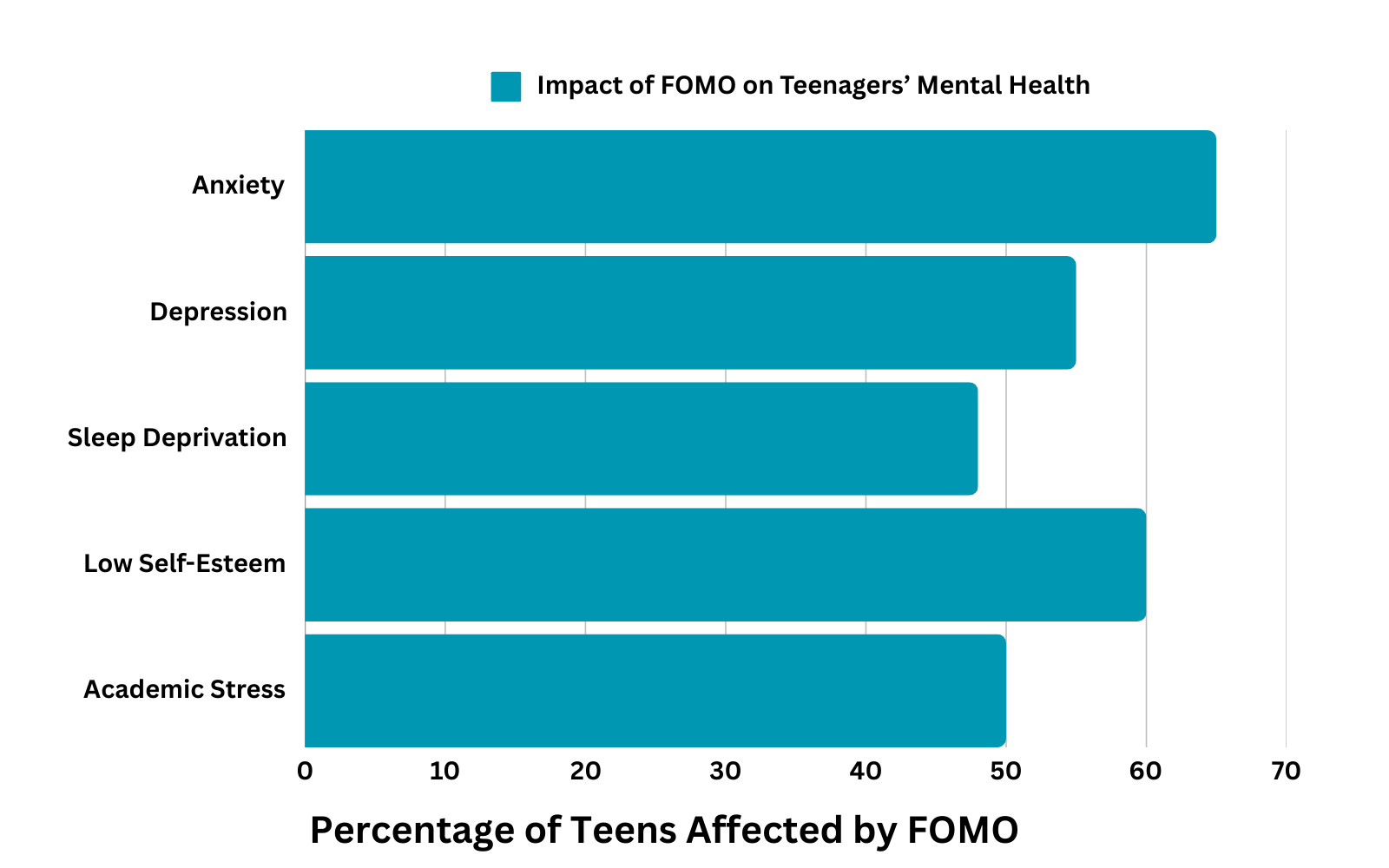
The negative effects of FOMO on emotional well-being are well-documented. FOMO can lead to increased anxiety, stress, and depression, as individuals become fixated on the idea that they are missing out on something important. This can also lead to a sense of inadequacy, as individuals compare their lives to others' seemingly perfect social media profiles.
Managing FOMO and Its Effects on Motivation
So, how can individuals manage FOMO and its effects on motivation? Here are a few strategies:
- Practice self-awareness: Recognize when you are experiencing FOMO and take a step back to assess your motivations.
- Set boundaries: Limit your social media use and set aside time for activities that bring you joy and fulfillment.
- Focus on meaningful relationships: Invest in relationships that are genuine and meaningful, rather than trying to keep up with a large social network.
- Practice gratitude: Focus on the things you are grateful for, rather than comparing your life to others.
Conclusion
Understanding the effects of FOMO on motivation is crucial for individuals, organizations, and societies. By recognizing the underlying psychological and social factors that drive FOMO, we can develop strategies to mitigate its negative effects and cultivate a healthier, more authentic sense of motivation. By acknowledging the impact of FOMO on emotional well-being and decision-making, we can work towards a more balanced and fulfilling life.
References:
1. Hill, H., Khan, M., & Jeltsch-Roch, S. (2020). Fear of missing out (FoMO) and its relations to empathy, narcissism, and self-esteem in college students. Computers in Human Behavior, 109 https://www.sciencedirect.com/science/article/pii/S0747563220300272.
2. Grieve, F. G., & Indian, M. (2018). Social media and fear of missing out (FoMO): exploratory analysis of copying behavior. Computers in Human Behavior, 87, 275-286. https://www.sciencedirect.com/science/article/pii/S0747563220300272.
3. Kalisch, T. (2018). Fear of missing out (FoMO) as an individual personality construct: An exploration of the relationship between FoMO, social media, and life satisfaction. Computers in Human Behavior, 87, 286-295. https://www.sciencedirect.com/science/article/pii/S0747563220300272.