How to Learn Python Algorithms: A Comprehensive Guide
Are you ready to take your Python skills to the next level? Learning Python algorithms is a crucial step in becoming a proficient programmer, and with this guide, you'll be well on your way to mastering the world of algorithms.
Why Learn Python Algorithms?
Algorithms are the heart of computer science, providing step-by-step procedures to solve problems efficiently. In the Python programming language, algorithms play a crucial role in various applications, from data analysis and machine learning to web development and game design. By learning Python algorithms, you'll be able to:
- Solve problems efficiently and effectively
- Understand the underlying concepts of computer science
- Improve your programming skills and logical thinking
- Enhance your career prospects in the field of computer science
Getting Started with Python Algorithms
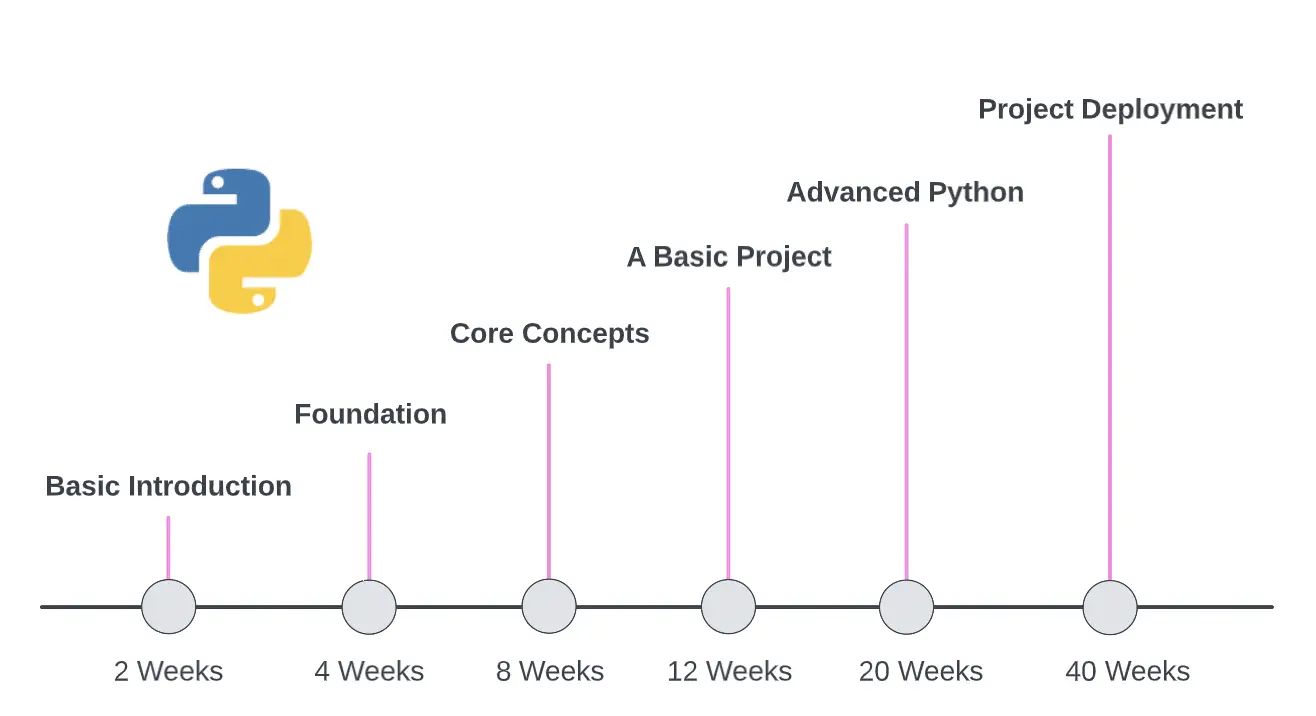
To learn Python algorithms, you'll need to start with the basics. Here are some steps to help you get started:
- Learn the fundamentals of Python programming, including data structures and functions
- Familiarize yourself with popular Python libraries and frameworks, such as NumPy and pandas
- Start with simple algorithms, such as sorting and searching, and gradually move on to more complex ones
- Practice, practice, practice! The best way to learn algorithms is by implementing them in real-world projects
Popular Python Algorithms to Learn
There are many Python algorithms to learn, and the ones listed below are some of the most popular and useful:
- Sorting algorithms: bubble sort, selection sort, insertion sort, merge sort, and quick sort
- Searching algorithms: linear search, binary search, and interpolation search
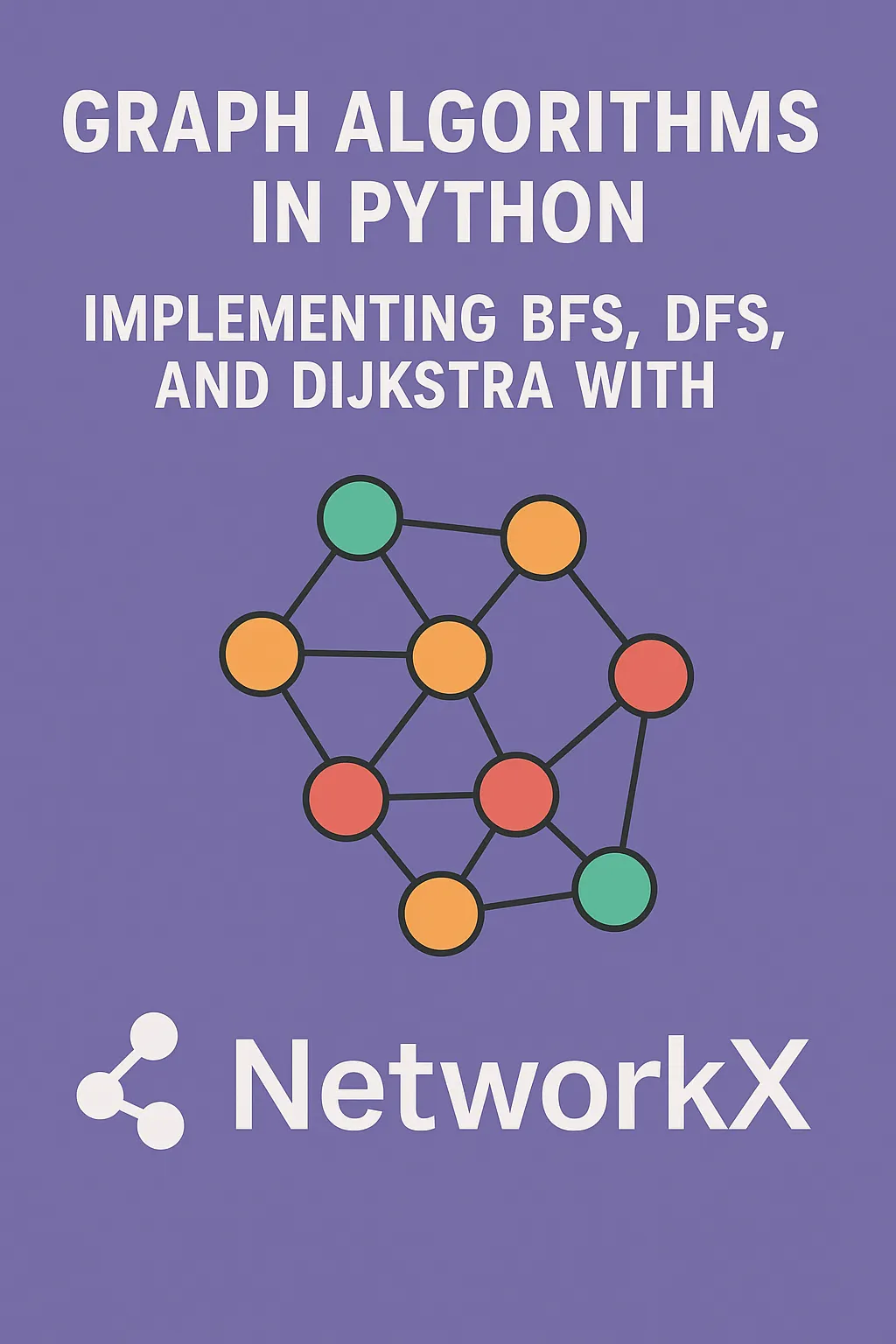
- Graph algorithms: depth-first search, breadth-first search, and Dijkstra's algorithm
- Dynamic programming: memoization, tabulation, and overlapping subproblems
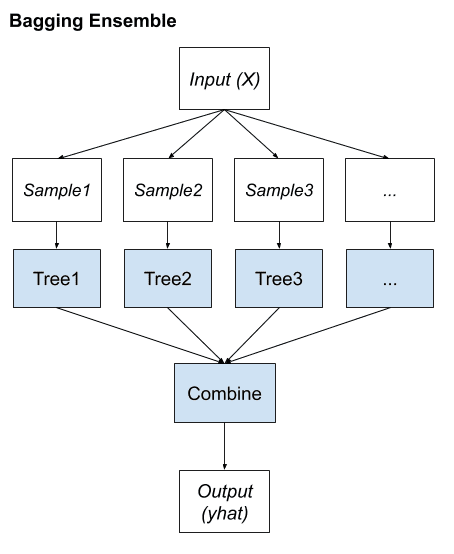
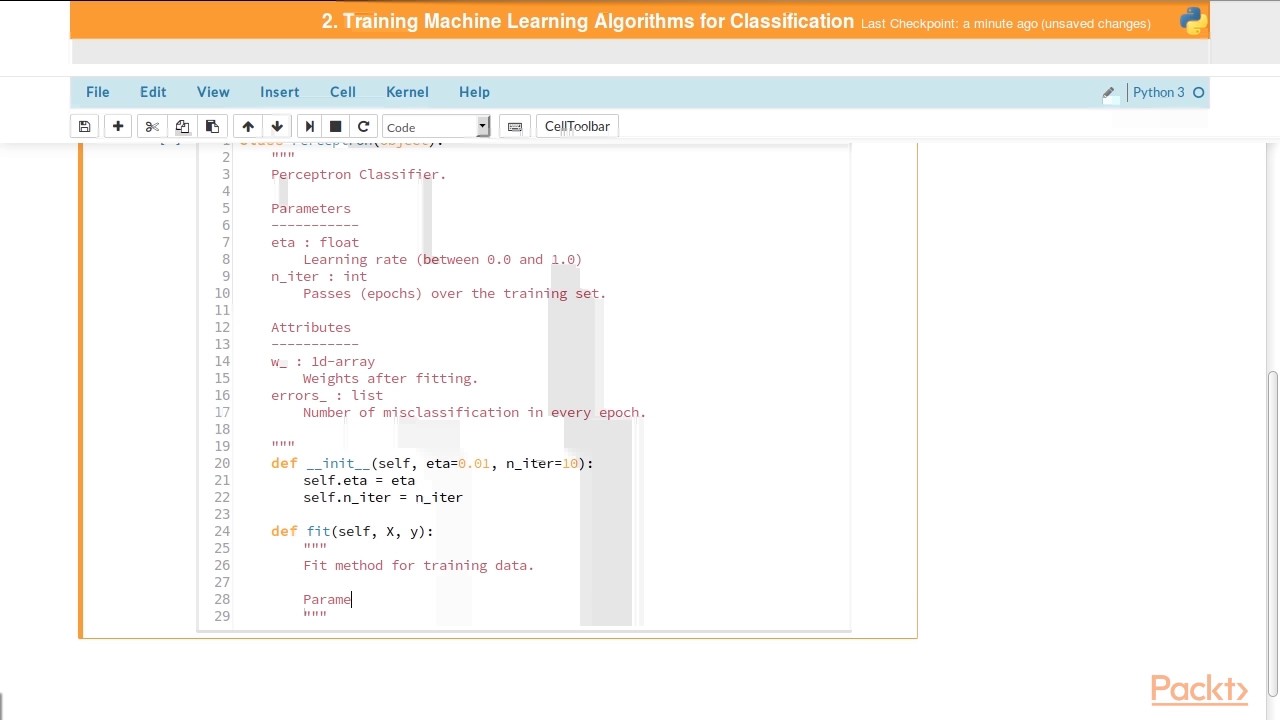
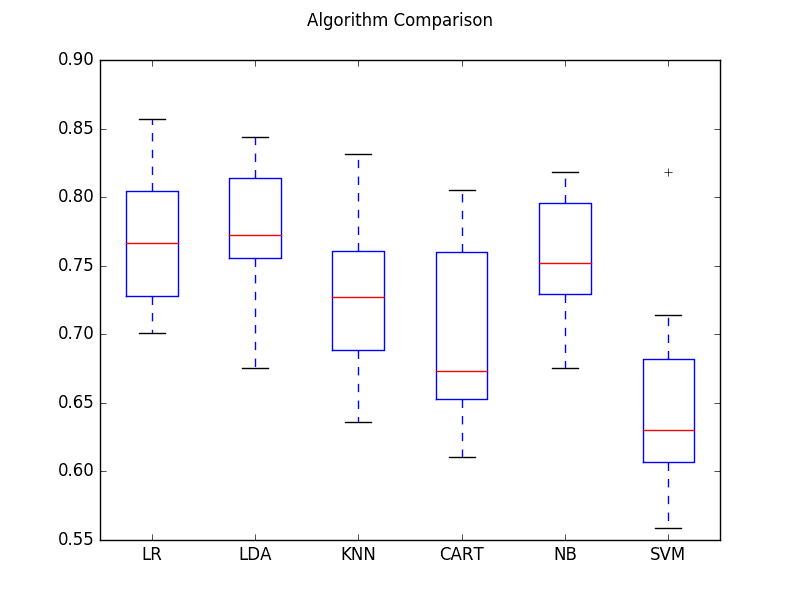
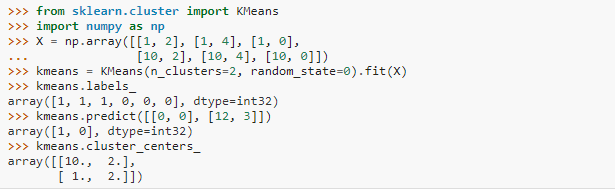
- Machine learning algorithms: linear regression, logistic regression, decision trees, and clustering
Resources to Learn Python Algorithms

There are many resources available to learn Python algorithms, including:
- Online courses and tutorials: Coursera, Udemy, edX, and Codecademy
- Books: "Algorithms" by Robert Sedgewick and Kevin Wayne, "Python Algorithms" by Magnus Lie Hetland
- YouTube channels: Corey Schafer's Python Tutorials, freeCodeCamp
- Practice platforms: LeetCode, HackerRank, and CodeWars
Conclusion
Learning Python algorithms is a challenging but rewarding task. With practice and dedication, you can become proficient in solving complex problems efficiently and effectively. Remember to start with the basics, practice regularly, and explore different resources to help you learn. Good luck on your journey to mastering Python algorithms!
Additional Tips and Resources
Here are some additional tips and resources to help you learn Python algorithms:
- Join online communities, such as Reddit's r/learnpython and r/algorithms, to connect with other learners and get help when you need it
- Participate in coding challenges and competitions to practice your skills and learn from others
- Use a code editor or IDE, such as PyCharm or VSCode, to write and debug your code
- Learn to read and understand other people's code to improve your problem-solving skills
Some additional resources to learn Python algorithms include:
- GeeksforGeeks: A comprehensive educational platform that empowers learners across domains
- Algorithms: A course on the freeCodeCamp YouTube channel that is a beginner-friendly introduction to common data structures and algorithms in Python
- Python Algorithms: A book that provides a comprehensive introduction to algorithms and data structures in Python
Remember, learning Python algorithms takes time and practice. Stay motivated, stay persistent, and you'll be on your way to becoming a proficient programmer!


![Best Algorithm Python Courses & Certificates [2026] | Coursera](https://m.media-amazon.com/images/I/810Cu7Ln8kL._SL1500_.jpg "Best Algorithm Python Courses & Certificates [2026] | Coursera")