Protecting Your Bank Account from Account Compromise: A Guide to Staying Ahead of Cybercriminals
Cybercriminals are constantly looking for ways to access your personal and financial information, making it essential to have a solid plan in place to protect your bank account from account compromise. This guide will walk you through actionable steps to safeguard your bank account and prevent financial loss due to identity theft.
The Risks of Account Compromise
According to various studies, cybercriminals are increasingly targeting bank accounts, using sophisticated tactics to deceive and steal from unsuspecting individuals. The consequences of account compromise can be devastating, including financial loss, damage to credit scores, and a loss of trust in financial institutions. In today's digital age, it's crucial to stay informed and take proactive measures to protect your bank account.
Common Ways to Compromise a Bank Account
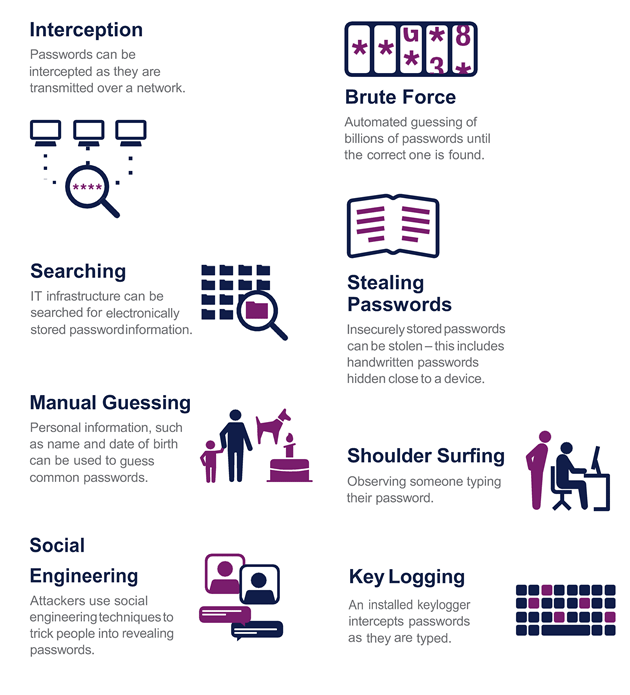
Cybercriminals use various methods to compromise bank accounts, including:
- Phishing: Email or text message scams that lure victims into revealing sensitive information.
- Malware: Weak software vulnerabilities that allow hackers to access accounts.
- Data leaks: Unsecured data breaches that expose personal and financial information.
- Social engineering: Sophisticated tactics to manipulate victims into divulging sensitive information.
Protecting Your Bank Account from Account Compromise
To safeguard your bank account, follow these essential steps:
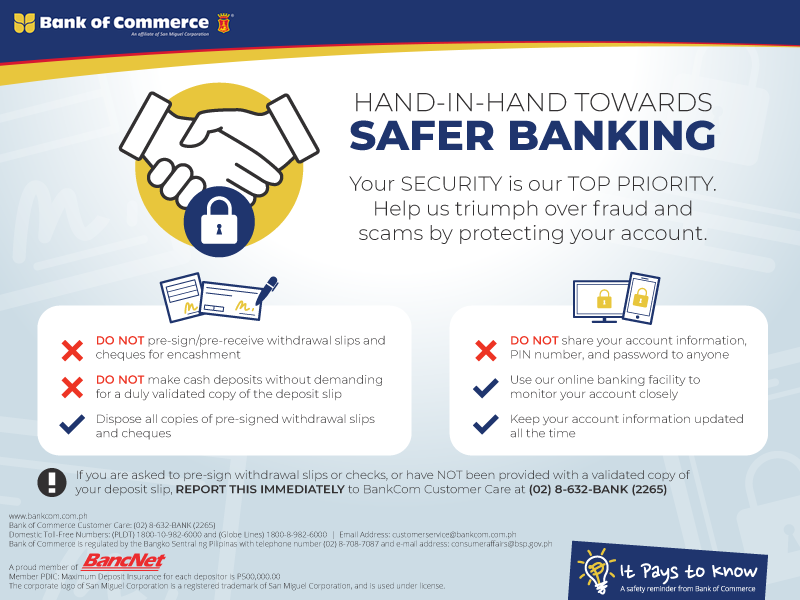
- Use strong and unique passwords**: Utilize a reliable password manager to generate and store complex passwords. Avoid using the same password across multiple accounts.
- Enable two-factor authentication (2FA)**: Double-layered protection adds an extra layer of security, making it more difficult for hackers to access your account.
- Monitor your accounts regularly**: Regularly review transactions and bank statements for unusual activity.
- Be cautious of phishing scams**: Be wary of suspicious emails, text messages, or calls that ask for sensitive information.
- Keep software up-to-date**: Regularly update your operating system, browser, and other software to avoid vulnerabilities.
- Use antivirus software**: Install reputable antivirus software to detect and prevent malware attacks.
Responding to Account Compromise

If you suspect your bank account has been compromised, act quickly:
- Notify your bank immediately: Report any suspicious activity to your bank's customer support.
- Change passwords: Update your password and consider enabling 2FA.
- Freeze your credit: Contact the three major credit bureaus to freeze your credit report.
Conclusion
Protecting your bank account from account compromise requires a combination of awareness, vigilance, and proactive measures. By understanding the risks and taking the necessary steps, you can safeguard your financial information and prevent devastating losses due to identity theft. Stay ahead of cybercriminals and keep your bank account secure by following this guide.
Frequently Asked Questions
Q: Can I prevent my bank account from being compromised?
A: Yes, by following the steps outlined in this guide, you can significantly reduce the risk of account compromise.
Q: What should I do if I suspect my bank account has been compromised?
A: Immediately notify your bank, change your passwords, and consider freezing your credit report.