Dopamine Loops in Self-Esteem: Understanding the Neurobiological Impact
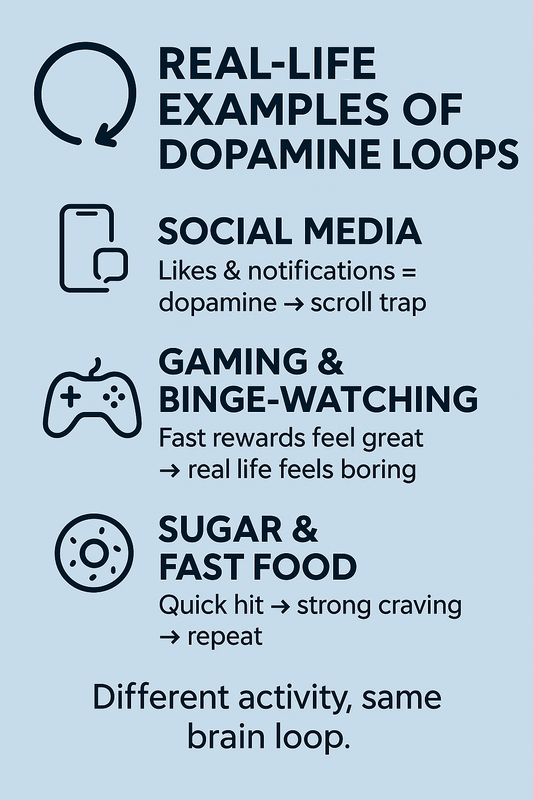
Have you ever found yourself scrolling through social media, constantly seeking validation and likes, only to feel empty and unfulfilled? The pursuit of self-worth in the digital age has led to the development of dopamine loops in self-esteem, a phenomenon that can have severe consequences on our mental health.
The Role of Dopamine in Self-Esteem
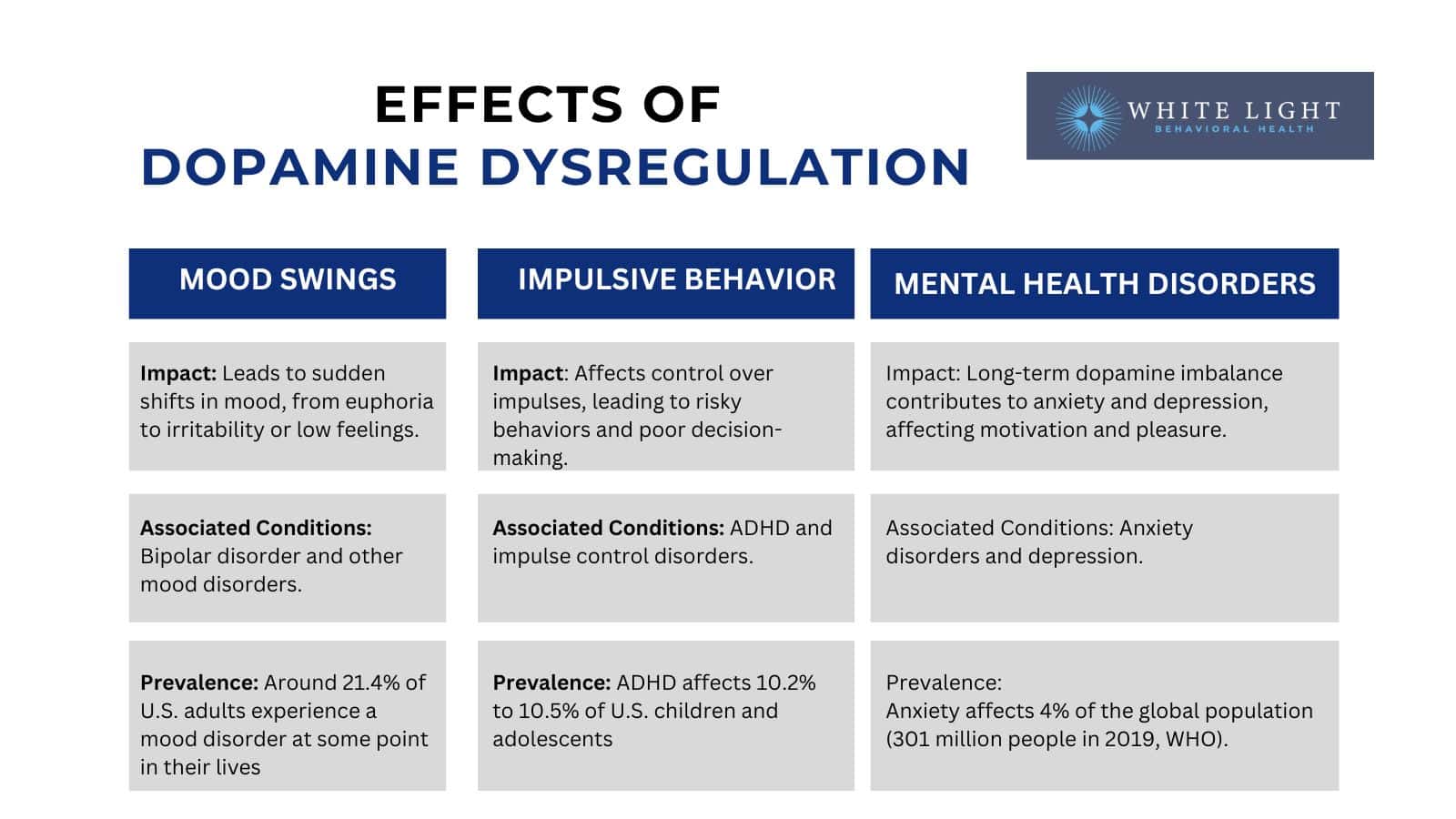
Dopamine is often referred to as the "feel-good" neurotransmitter, responsible for motivation, pleasure, and reward processing. However, its role in self-esteem is more complex and multifaceted. When we experience a sense of validation or achievement, dopamine is released, creating a positive feedback loop that reinforces our behavior. This can lead to a constant craving for external validation, as our brains become wired to seek out and respond to external stimuli.
The Cycle of Dopamine Loops
The dopamine loop in self-esteem is a self-perpetuating circuit fueled by the way the neurotransmitter works with the brain's reward system. Here's how it works:
- When we engage in behaviors that give us validation, our brain releases dopamine, which reinforces the behavior.
- As we continue to seek external validation, our brain adapts by reducing the dopamine response to real-life interactions and relationships.
- As a result, we become increasingly dependent on external validation, as our brain is wired to respond to the constant influx of dopamine from social media and other sources.
- The cycle repeats, creating a vicious cycle of self-doubt, anxiety, and depression.
Breaking the Dopamine Loop
Breaking the dopamine loop requires a combination of self-awareness, self-compassion, and rewiring our neural patterns. Here are some strategies to help you reset your dopamine reward system:
- Practice self-compassion and self-acceptance, focusing on internal validation rather than external validation.
- Engage in activities that stimulate your brain's reward system, such as exercise, creativity, and learning.
- Set boundaries and limits on social media use, and prioritize real-life interactions and relationships.
- Practice mindfulness and meditation to reduce stress and anxiety.
Conclusion
The dopamine loop in self-esteem is a complex and insidious phenomenon that can have severe consequences on our mental health. By understanding the neurobiological mechanisms behind this loop, we can take steps to break free from the cycle of self-doubt and anxiety. Remember, self-worth comes from within, and it's time to take back control of our minds and rediscover our true sense of self-worth.
Further Reading
For a more in-depth exploration of the dopamine loop in self-esteem, check out the following resources:
- Dr. Sydney Ceruto's work on self-esteem and self-worth
- The Dopamine Code by Simon & Schuster
- Recent advances in understanding the reward and non-reward functions of dopamine