Dealing with Digital Fatigue: 10 Actionable Tips to Reduce Fatigue and Improve Focus
Are you feeling drained by screens, pings, and endless emails? You're not alone. Digital fatigue is a growing concern that affects millions of people worldwide. In this article, we'll explore what digital fatigue is, its causes, and most importantly, provide you with 10 actionable tips to reduce fatigue and improve focus.
What is Digital Fatigue?
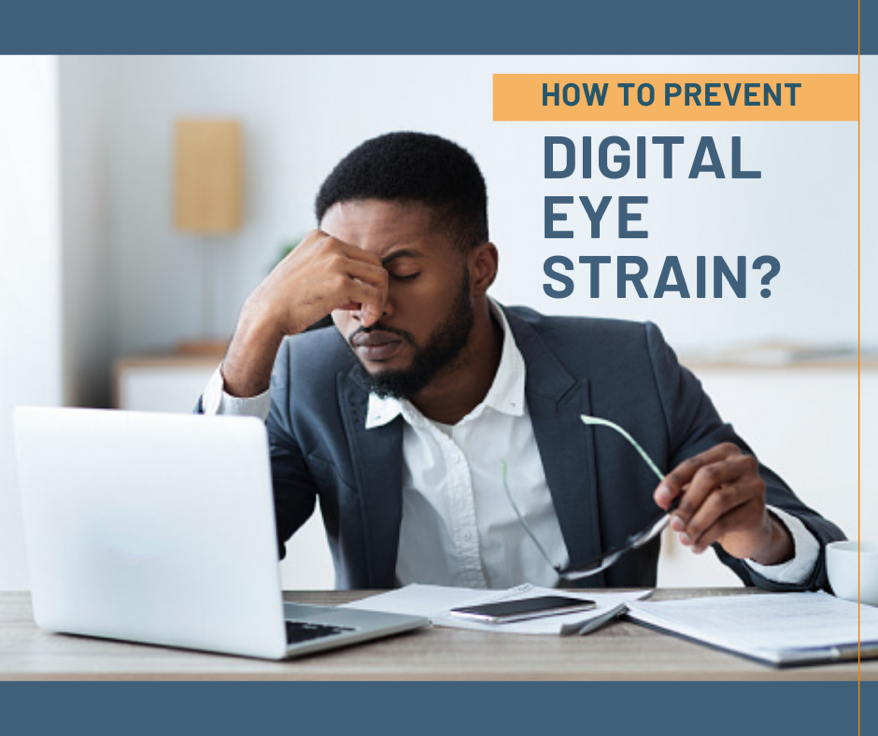
Digital fatigue is a state of mental exhaustion caused by excessive exposure to digital devices and technologies. It's a mix of cognitive overload, emotional strain, and constant micro-decisions that wear down your attention. Symptoms of digital fatigue include physical issues like headaches, neck pain, difficulty falling asleep, and strained eyes, as well as mental symptoms like trouble focusing, irritability, anxiety, a lack of motivation, and low mood.
Causes of Digital Fatigue
The causes of digital fatigue are numerous, but some of the most common include:
- Excessive screen time**: Spending too much time on digital devices can lead to eye strain, headaches, and decreased attention span.
- Information overload**: Constantly being bombarded with notifications, emails, and social media updates can lead to mental exhaustion and decreased productivity.
- Constant distractions**: The constant ping of notifications, emails, and messages can make it difficult to focus and complete tasks.
- Lack of boundaries**: Failing to set boundaries around digital use can lead to burnout and decreased productivity.

10 Actionable Tips to Reduce Digital Fatigue
To reduce digital fatigue, try these 10 actionable tips:
- Set boundaries**: Establish clear boundaries around your digital use, including designated times for work and leisure.
- Take breaks**: Regularly take breaks from digital devices to rest your eyes, stretch, and recharge.
- Practice self-care**: Prioritize self-care activities like exercise, meditation, and spending time in nature to reduce stress and improve mental well-being.
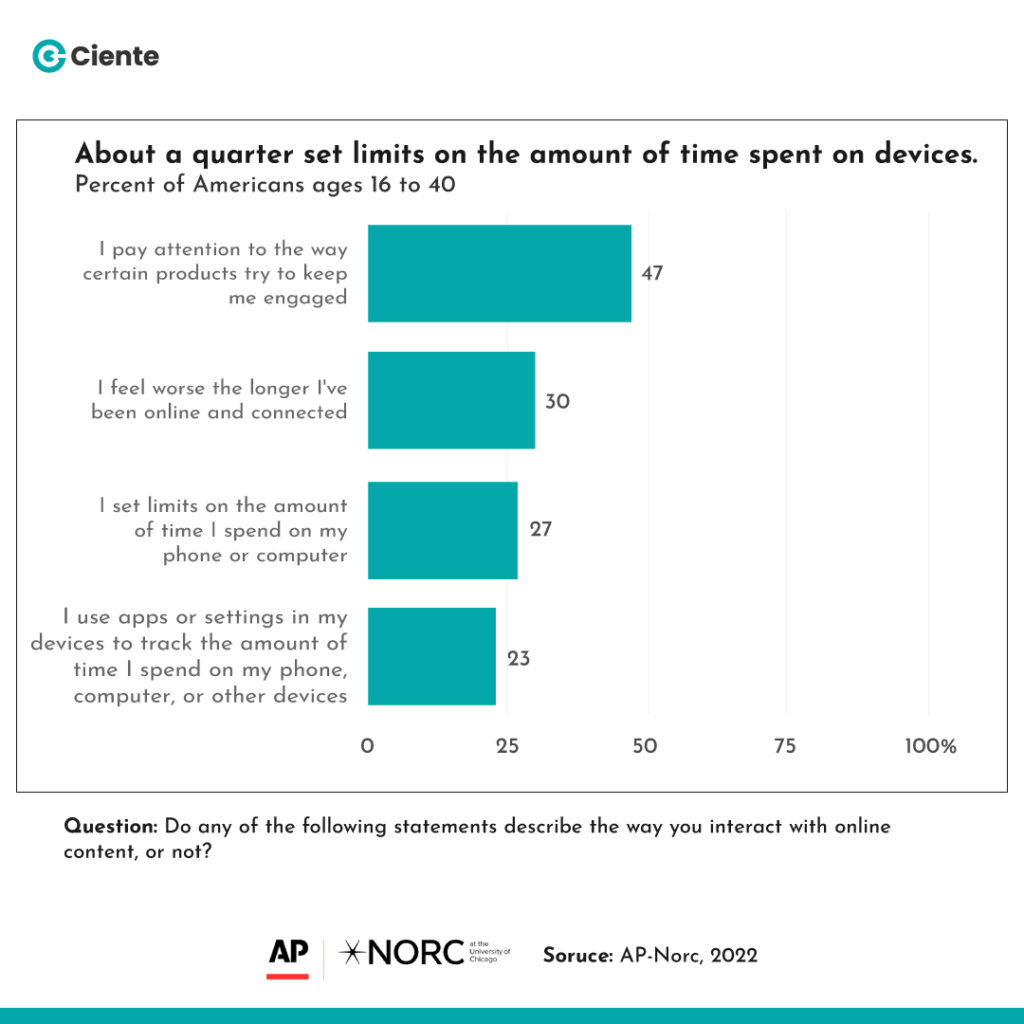
- Limit screen time**: Set limits on your screen time, including the types of apps and websites you use.
- Use technology strategically**: Use technology to streamline tasks, automate processes, and enhance productivity, rather than simply consuming digital content.
- Stay organized**: Prioritize tasks, use calendars and to-do lists, and stay organized to reduce mental clutter and decrease stress.
- Disconnect**: Regularly disconnect from digital devices to rest and recharge.
- Seek support**: Seek support from friends, family, or a therapist to manage stress and improve mental well-being.
- Practice digital minimalism**: Regularly review and delete unused digital content, including apps, emails, and social media accounts.
- Stay hydrated and energized**: Drink plenty of water, eat nutritious foods, and get enough sleep to maintain energy levels and reduce fatigue.
Conclusion
Dealing with digital fatigue requires a multi-faceted approach that incorporates boundaries, self-care, technology use, and organizational strategies. By implementing these 10 actionable tips, you can reduce fatigue, improve focus, and enhance productivity in your personal and professional life. Remember, digital fatigue is a common issue that can be managed with the right strategies and mindset.