Attention Span Exercises for Kids: Boosting Focus and Concentration Skills
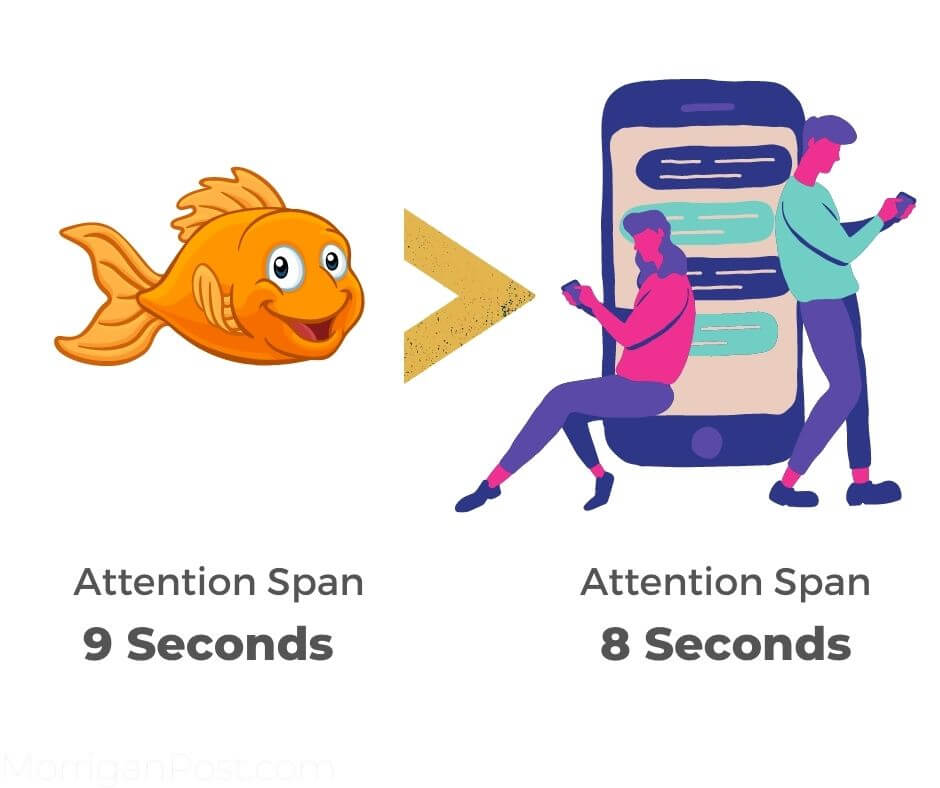
In today's digital age, it's more challenging than ever to keep kids engaged and focused. With the constant bombardment of screens and distractions, many children struggle to develop and maintain attention span. However, with the right exercises and activities, parents and educators can help kids build focus and concentration skills that will serve them well throughout their lives.
What is Attention Span?
Attention span refers to the ability to focus on a specific task or activity for a sustained period. In children, attention span develops gradually through infancy and childhood, influenced by factors such as physical activity, sleep, and screen time. Research suggests that excessive screen time, lack of physical activity, and poor sleep habits can impair attention span in children.
Why is Attention Span Important?
A healthy attention span is essential for academic success, social interactions, and overall well-being. Children with strong attention skills are better equipped to learn, problem-solve, and complete tasks. Conversely, kids with poor attention span may struggle with learning, exhibit behavioral problems, and experience anxiety and stress.
Attention Span Exercises for Kids: A Comprehensive Guide
Here are some fun and engaging attention span exercises for kids, categorized by age group:
Preschoolers (2-5 years)
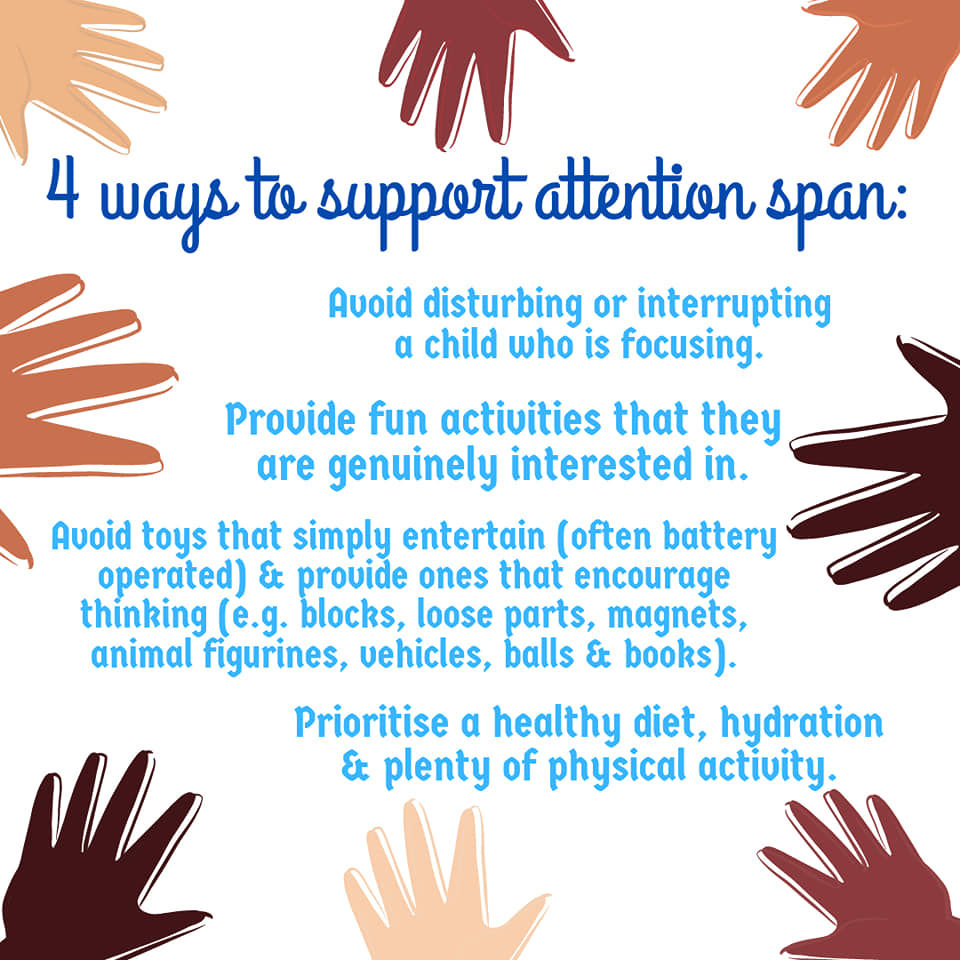
- Interactive Storytelling: Read stories to children, using inflection and expression to keep them engaged.
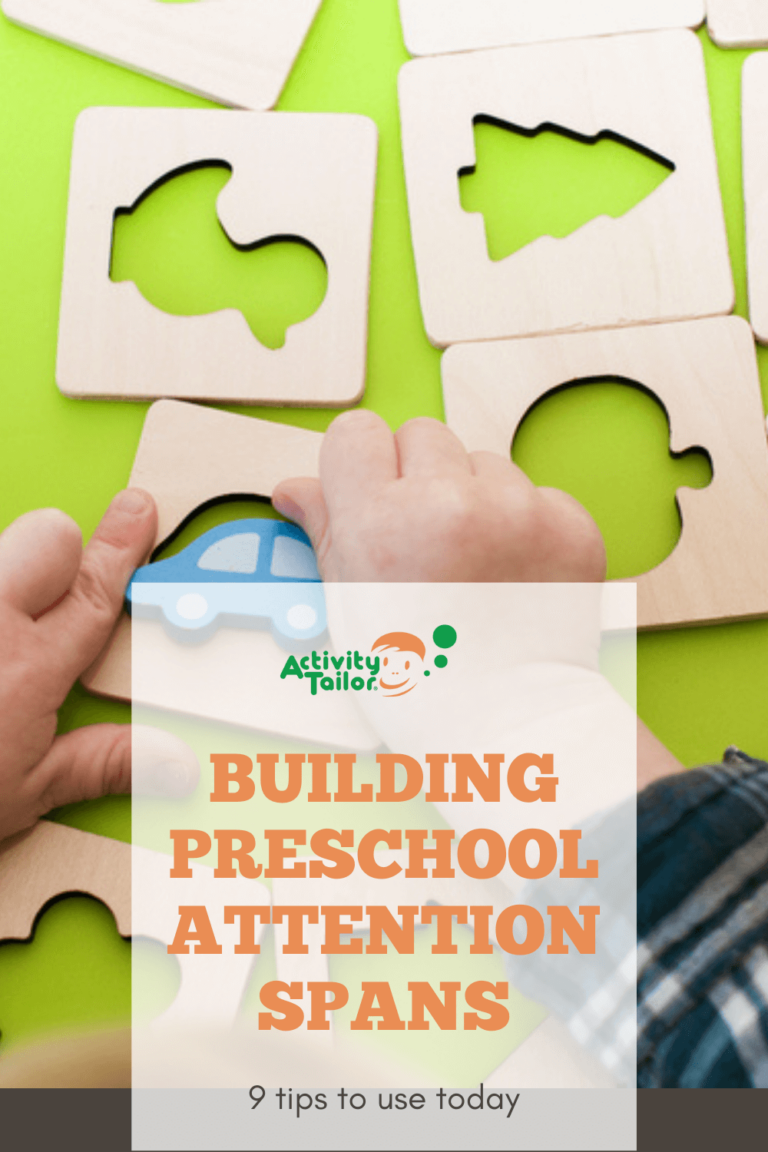
- Hands-on Activities: Engage kids in hands-on activities like painting, playdough, or building blocks to develop fine motor skills and attention.
- Outdoor Play: Encourage outdoor play, such as running, jumping, or playing ball games, to promote physical activity and attention.
- Sensory Play: Engage kids in sensory play, such as touching different textures, exploring smells, or tasting new foods, to stimulate their senses and attention.
School-Age Children (6-12 years)

- Brain Breaks: Provide regular brain breaks, such as short exercises or movement activities, to help kids refocus and recharge.
- Focus Games: Engage kids in focus games, such as puzzles, brain teasers, or concentration exercises, to challenge their attention and concentration.
- Reading Comprehension: Encourage kids to read and comprehend texts, using strategies like summarizing, visualizing, or questioning to develop their attention and comprehension skills.
- Physical Activity: Engage kids in physical activities, such as sports, dance, or yoga, to promote physical activity and attention.
Teenagers (13-18 years)
- Goal-Setting: Encourage teenagers to set goals and work towards achieving them, developing their attention and motivation.
- Time Management: Teach teenagers effective time management skills, such as prioritizing tasks, using calendars, or setting reminders, to develop their attention and organization skills.
- Mindfulness Practices: Engage teenagers in mindfulness practices, such as meditation, deep breathing, or yoga, to develop their attention and self-regulation skills.
- Learning Strategies: Teach teenagers effective learning strategies, such as active reading, note-taking, or self-testing, to develop their attention and learning skills.
Expert Advice on Attention Span
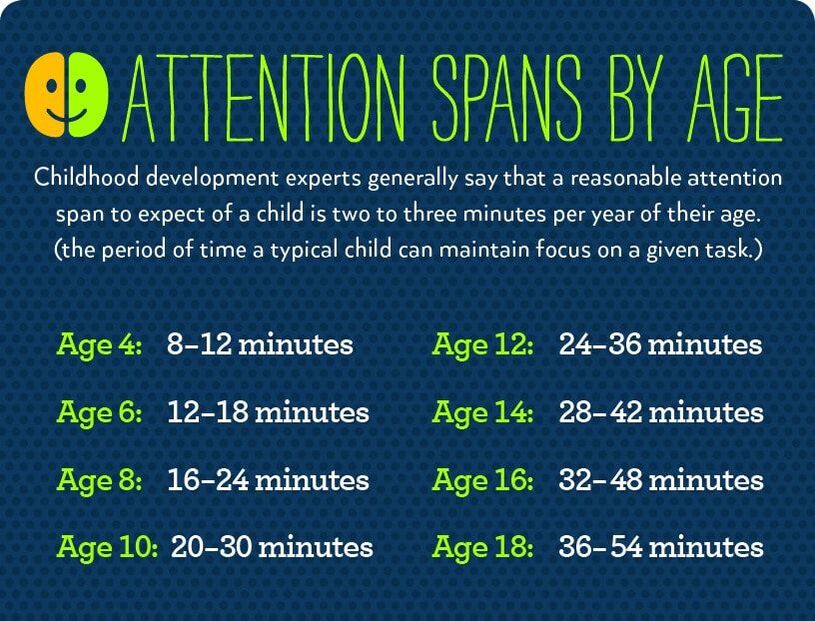
According to children's psychologist and educator Jorezza Antonio, a normal attention span for children varies by age. While children under 2 years may have attention spans of 2-3 minutes, school-age children may have attention spans of 10-15 minutes. Teenagers, on the other hand, may have attention spans of 30-60 minutes. Experts agree that regular breaks, physical activity, and sensory experiences can help children develop and maintain attention span.
Conclusion
Attention span exercises for kids are essential for developing focus, concentration, and cognitive skills. By incorporating these activities into daily routines, parents and educators can help kids build a strong attention span, setting them up for academic success, social interactions, and overall well-being. Remember, every child is unique, and what works for one child may not work for another. Be patient, flexible, and creative in your approach, and you'll be well on your way to helping your child develop a healthy attention span.
Additional Resources
For more information on attention span exercises for kids, check out the following resources: