The Caes of Information Overload in the Workplace
Understanding the Causes of Information Overload in the Workplace
Information overload in the workplace is a common phenomenon that affects employees' productivity, well-being, and decision-making abilities. The constant flow of information and digital communication can cause problems like decision fatigue, burnout, and feeling overwhelmed. In this article, we will explore the causes of information overload in the workplace and provide strategies for managing it.The Factors that Contribute to Information Overload
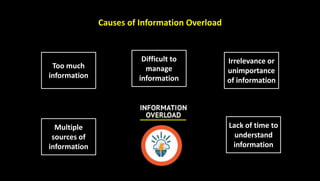
Research has identified several factors that contribute to information overload in the workplace, including:- Information Characteristics: The sheer volume and complexity of information, the rate at which it is received, and the difficulty in processing and retaining it.
- Task Parameters: The often subjective interpretation of priorities, deadlines, and the constant need to switch between tasks.
- Organizational Parameters: The lack of clear communication, poor time management, and lack of support from management and colleagues.
- Information Technology Parameters: The widespread use of digital communication tools, social media, and the constant availability of information.
- Personal Factors: Individual differences in managing information, coping mechanisms, and the ability to filter out irrelevant information.
Causes of Information Overload in the Workplace
The exponential growth of digital information has led to the pervasive problem of information overload, affecting decision-making, productivity, and well-being. Some specific causes of information overload in the workplace include:- Information Overload in Digital Communication: The constant stream of emails, messages, and social media updates can lead to feelings of overwhelm and decreased productivity.
- The Blurring of Boundaries: The flexibility and accessibility of digital communication tools have led to the blurring of boundaries between work and personal life, resulting in a constant state of information overload.
- The Lack of Structure and Prioritization: Poor time management and lack of clear priorities can lead to information overload and decreased productivity.
- The Pressure to Stay Connected: The fear of missing out (FOMO) and the pressure to stay connected to work and colleagues can lead to constant checking of emails, messages, and social media.
Consequences of Information Overload
The consequences of information overload in the workplace can be severe, including:- Decreased productivity and performance
- Increased stress, anxiety, and burnout
- Decreased job satisfaction and employee engagement
- Increased absenteeism and turnover
Strategies for Managing Information Overload
While the causes of information overload are complex, there are several strategies that can help manage and prevent information overload in the workplace, including:- Prioritize and Focus: Prioritize tasks and focus on the most important ones first.
- Set Boundaries: Establish clear boundaries between work and personal life and avoid the constant checking of emails, messages, and social media.
- Use Technology Effectively: Use digital tools and technology to streamline communication and reduce information overload.
- Communicate Effectively: Clearly communicate priorities, expectations, and deadlines to prevent miscommunication and confusion.
- Take Breaks and Practice Self-Care: Take regular breaks, practice self-care, and prioritize employee well-being.