Computer Data Recovery Process: A Comprehensive Guide
Are you looking for a way to recover lost or deleted data from your computer? The process of computer data recovery can be complex and frustrating, but with the right tools and knowledge, you can increase the chances of successfully retrieving your important files. In this article, we'll delve into the computer data recovery process, covering the steps involved, the tools and methods used, and the importance of data recovery in today's digital age.
What is Computer Data Recovery?
Data recovery is the process of retrieving deleted, inaccessible, lost, corrupted, damaged, or overwritten data from secondary storage, removable media, or files, when the data stored in them cannot be accessed in a usual way.
Understanding the Data Recovery Process
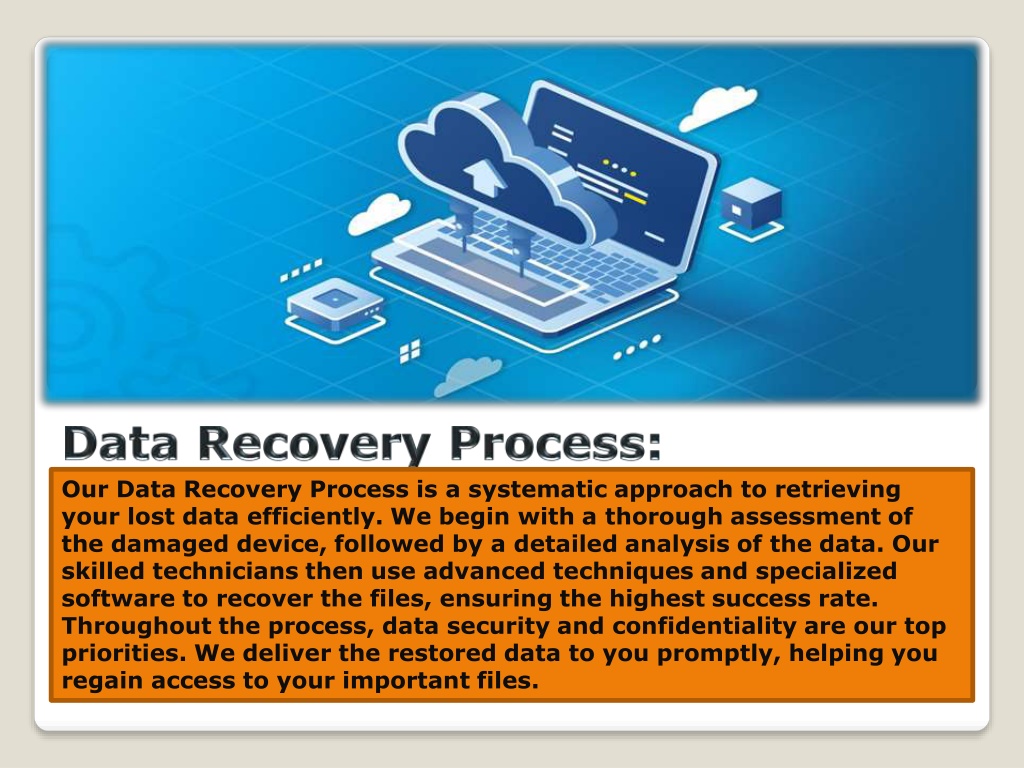
The data recovery process involves several steps, including:
- Assessing the damage: The first step in the data recovery process is to assess the extent of the damage to the storage device. This involves checking for physical damage, logical errors, or other issues that may be preventing data access.
- Choosing the right tool: Depending on the type of damage and the storage device, the right tool may be needed to retrieve the data. This could be a software tool, a hardware tool, or a combination of both.
- Data recovery techniques: Various data recovery techniques may be employed, such as data carving, file system repair, or media repair, to retrieve the data.
- Data analysis and verification: Once the data has been recovered, it needs to be analyzed and verified to ensure that it is complete and accurate.
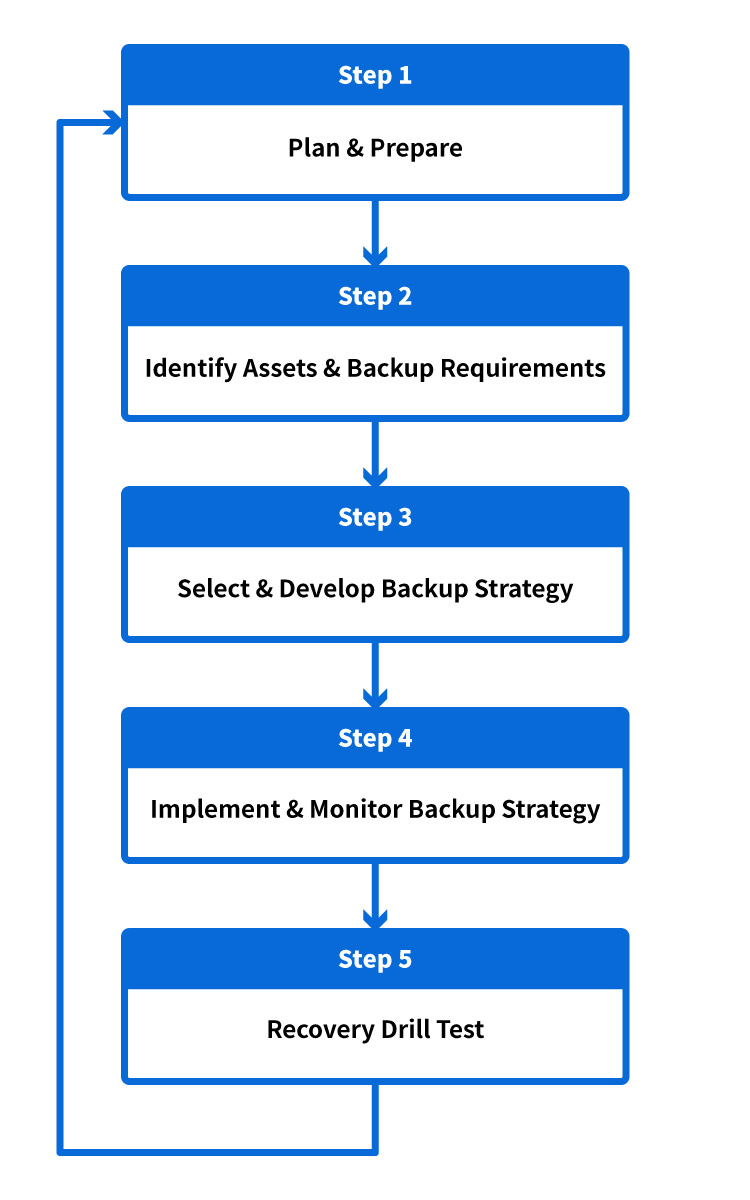
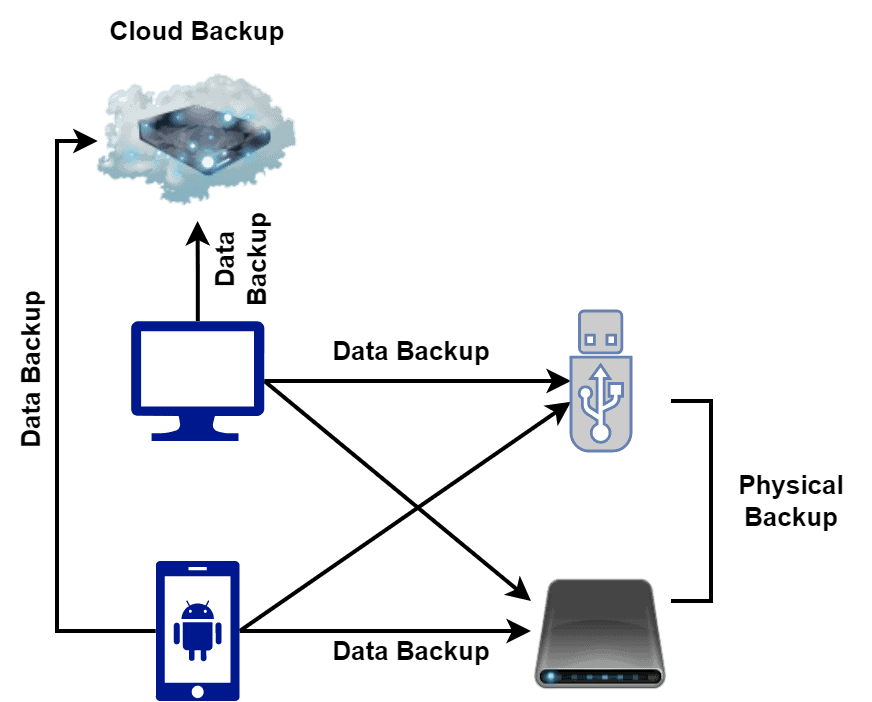
- Data backup and storage: The recovered data needs to be backed up and stored safely to prevent further loss.
Data Recovery Tools and Methods
There are various data recovery tools and methods available, including:
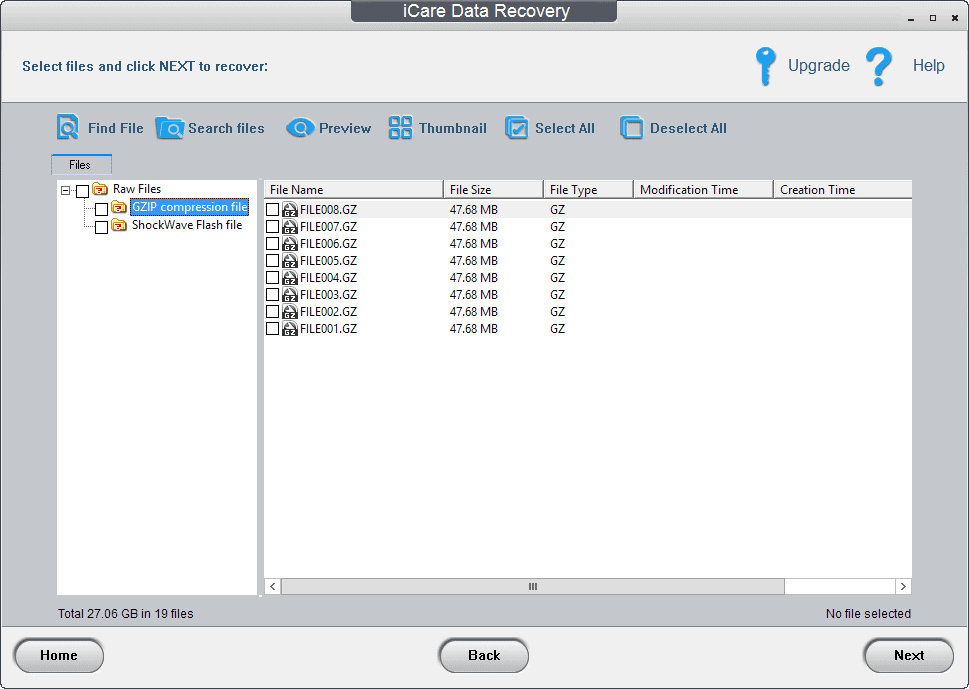
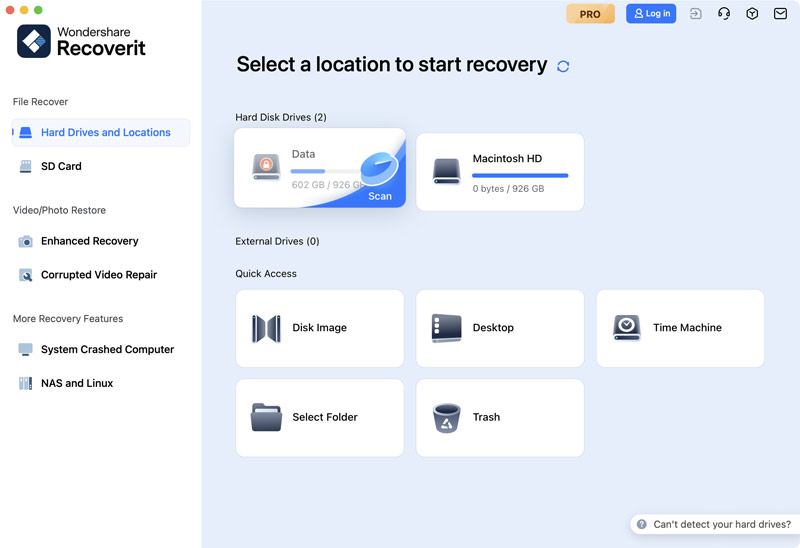
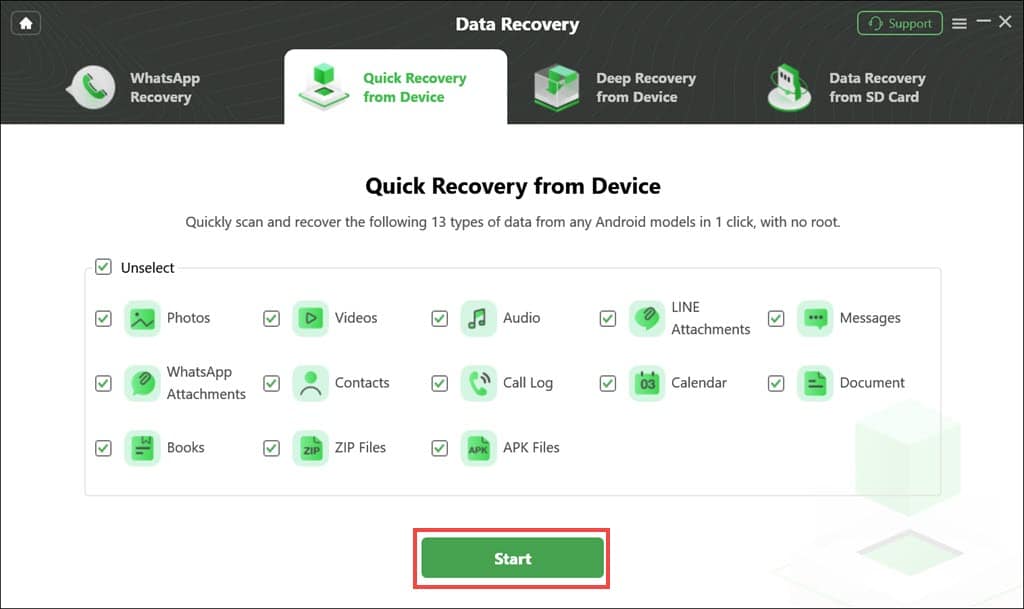
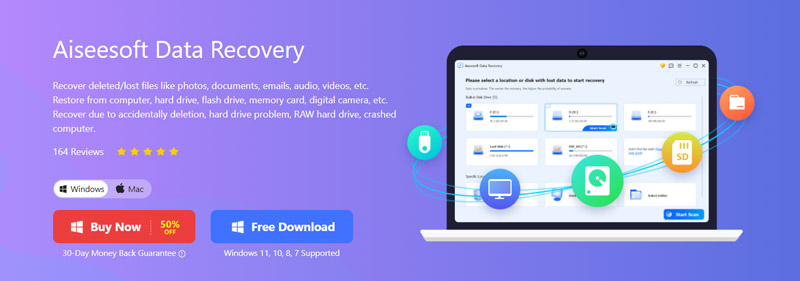
- Software tools: Data recovery software, such as EaseUS Data Recovery Wizard, can be used to retrieve data from storage devices, including hard drives, SSDs, and memory cards.
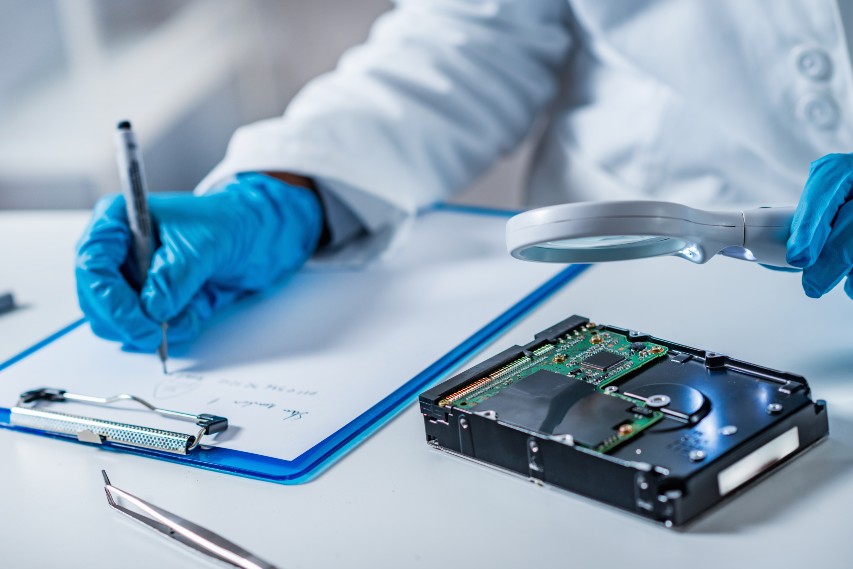
- Hardware tools: Hardware tools, such as data recovery equipment, can be used to physically retrieve data from damaged storage devices.
- Data carving: Data carving involves searching for specific data patterns to recover data from a damaged or corrupted file system.
- File system repair: File system repair involves fixing errors in the file system to retrieve data.
- Media repair: Media repair involves repairing damaged or corrupted storage media, such as hard drives or SSDs.
Why Data Recovery is Important
Data recovery is important because it can help individuals and businesses to:
- Restore lost or deleted data: Data recovery can help restore important data that has been lost or deleted due to hardware failure, accidental deletion, or other reasons.
- Minimize downtime: Data recovery can help minimize downtime and get businesses back up and running quickly.
- Reduce data loss: Data recovery can help reduce data loss by providing a way to recover data that has been lost or deleted.
- Protect business continuity: Data recovery can help protect business continuity by providing a way to restore important data and applications.
Conclusion
The computer data recovery process involves several steps, including assessing the damage, choosing the right tool, data recovery techniques, data analysis and verification, and data backup and storage. With the right tools and knowledge, individuals and businesses can increase the chances of successfully retrieving lost or deleted data. Data recovery is an important process that can help minimize downtime, reduce data loss, and protect business continuity.
References
- Data Recovery: A Comprehensive Guide
- How Data Recovery Works: A Simple Guide to Restoring Lost Files
- Enterprisedatarecovery: Theprocessof restoring lost, corrupted, accidentally deleted or otherwise inaccessibledata.
- Learn about the different tools to backup and restore yourdata, and to recover Windows in case of a system failure.