Writing a Check with a Payee: A Comprehensive Guide
Writing a check is a common practice that still exists in today's digital age, especially for everyday payments like rent, deposits, refunds, and paying individuals. However, many people are unsure about how to write a check correctly, which can lead to errors and potential financial consequences. In this article, we will provide a comprehensive guide on how to write a check with a payee, covering all the necessary steps and tips to ensure a secure and smooth transaction.
Why Writing a Check is Still Important
Although digital payment methods have become more popular, writing a check is still a necessary skill for many people. It is especially important for businesses, individuals, and organizations that need to make regular payments to others. By learning how to write a check correctly, you can avoid errors, prevent fraud, and ensure that payments reach their intended recipients.
The Importance of Payee Information
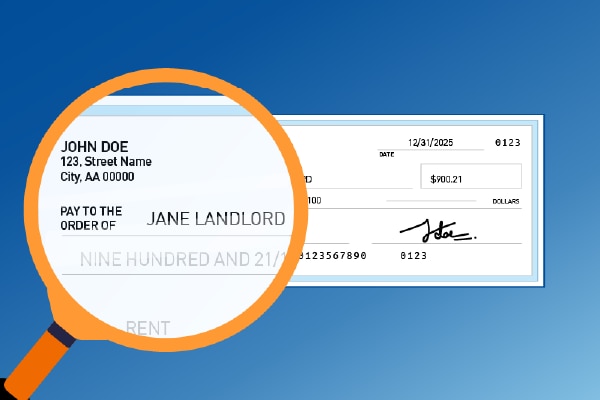
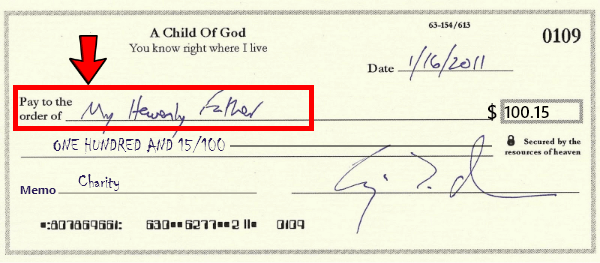
The payee is the recipient of the payment, and providing accurate and complete payee information is crucial when writing a check. The payee's name should be spelled correctly, and the payee's address should be included if necessary. This information will help ensure that the payment is made to the correct person or organization.
Why Writing a Check with a Payee is Still Common Practice
Writing a check with a payee is still a common practice in various situations, such as:
- Rent and deposit payments
- Refund payments
- Paying individuals or businesses
- Transferring money between accounts or banks
Writing a Check: A Step-by-Step Guide
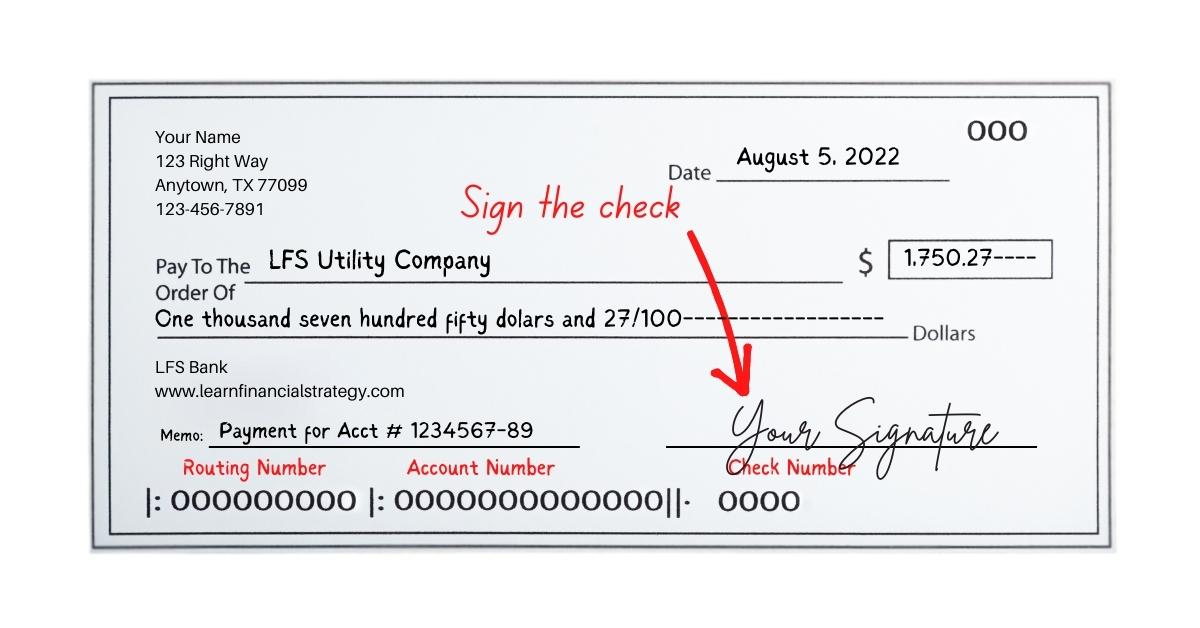
Writing a check requires several steps, which are outlined below:
Step 1: Date the Check
The date on the check should be the current date or a future date when the payment is to be made. It is essential to ensure that the date is written correctly and accurately.
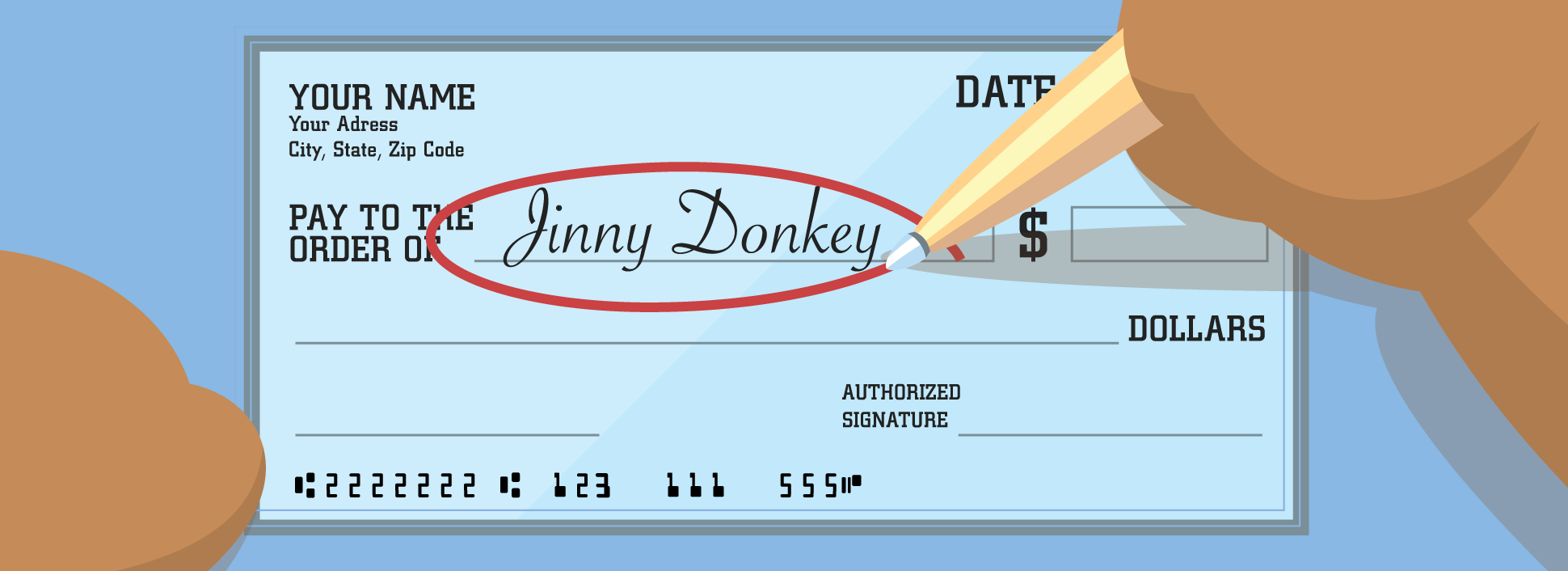
Step 2: Fill in the Payee Information
The payee's name should be spelled correctly, and the payee's address should be included if necessary.
Step 3: Write the Amount in Numbers and Words
The amount of the check should be written in both numbers and words. This will help prevent errors and ensure that the payment is made correctly.
Step 4: Add an Optional Memo
A memo is an optional line that can be used to provide additional information about the payment, such as a reference number or payment purpose.
Step 5: Sign the Check
The check should be signed by the payor (the person or organization making the payment) in the presence of the payee or on behalf of the payee.
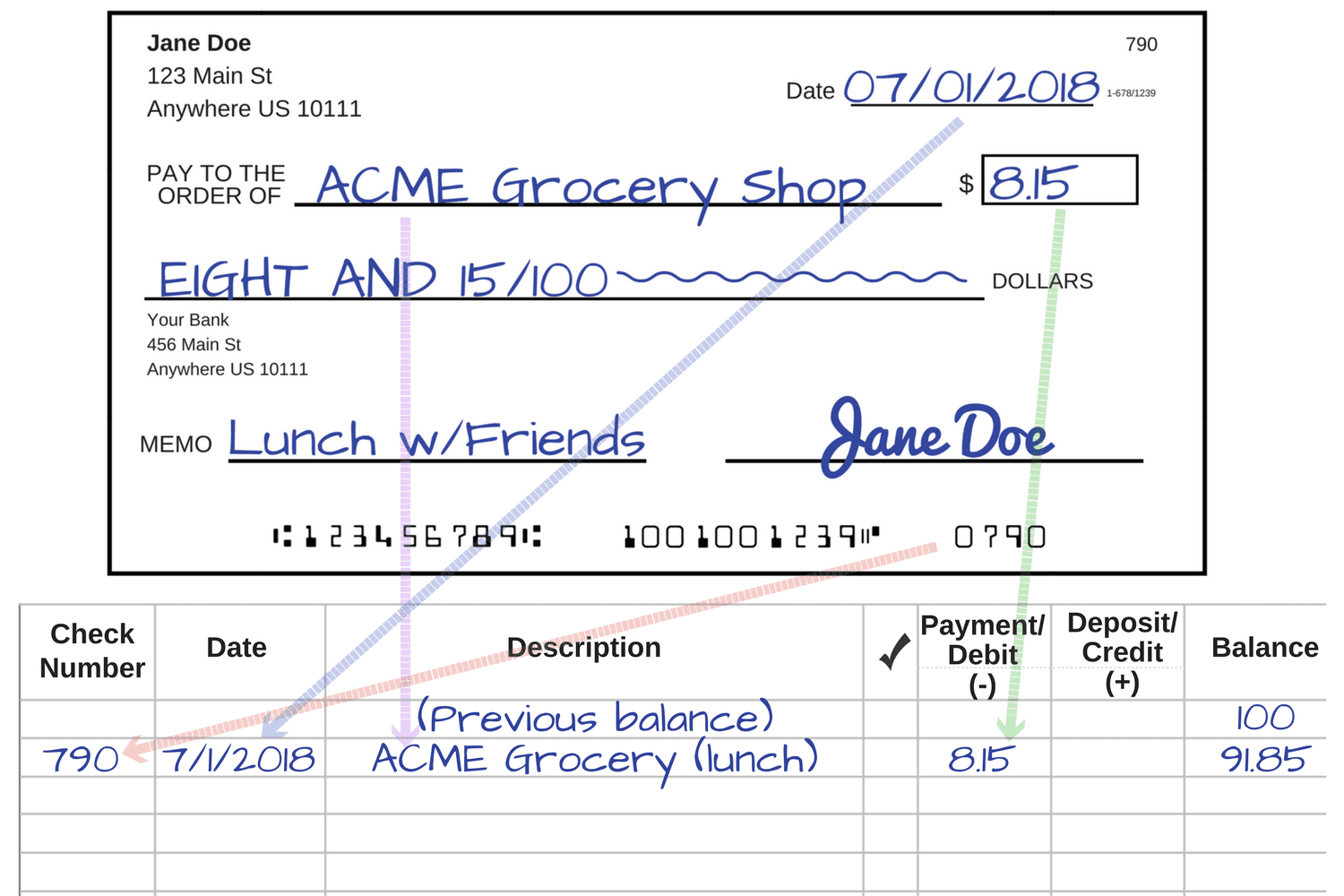
Step 6: Keep a Record of the Payment
After writing and signing the check, it is essential to keep a record of the payment for future reference.
Tips for Writing a Check with a Payee
Here are some additional tips to help you write a check with a payee correctly:
- Always confirm your available balance before writing a check to avoid overdrafts.
- Use a pen that does not bleed through to the other side of the check.
- Avoid writing in the check in a way that makes it difficult to read.
- Keep a record of all checks written, including the date, payee, and amount.
- Sign the check in the presence of the payee or on behalf of the payee.
Preventing Errors and Fraud
By following the steps outlined in this guide, you can prevent errors and ensure that payments are made correctly. Additionally, here are some tips to help prevent errors and fraud:
- Use a checkwriting calculator to ensure that the amount is written accurately.
- Use a gel pen to sign the check to prevent it from being altered.
- Keep a record of all checks written, including the date, payee, and amount.
- Never leave a blank space on the check, as this can be used to alter the payment amount.
:max_bytes(150000):strip_icc()/how-to-write-a-check-4019395_FINAL-eec64c4ad9804b12b8098331b5e25809.jpg "How to write a check: A step-by-step guide | Wells Fargo")

:max_bytes(150000):strip_icc()/PayeeLine-56a065e53df78cafdaa168bc.jpg "How to Write a Check (Yes, It's Still a Thing) | Fifth Third Bank")