How to Write a Check for the First Time: A Step-by-Step Guide
Writing a check for the first time can seem daunting, but with the right guidance, it's a simple process. In today's digital age, checks are still an essential way to make payments, and understanding how to write one correctly is crucial to avoid any delays or issues.
Why Learn How to Write a Check?
While digital payments are increasingly popular, checks are still widely accepted, and knowing how to write one can come in handy in many situations. Even if you don't use checks often, it's essential to understand the basics of check writing to avoid errors and inconvenience.
Step 1: Date the Check
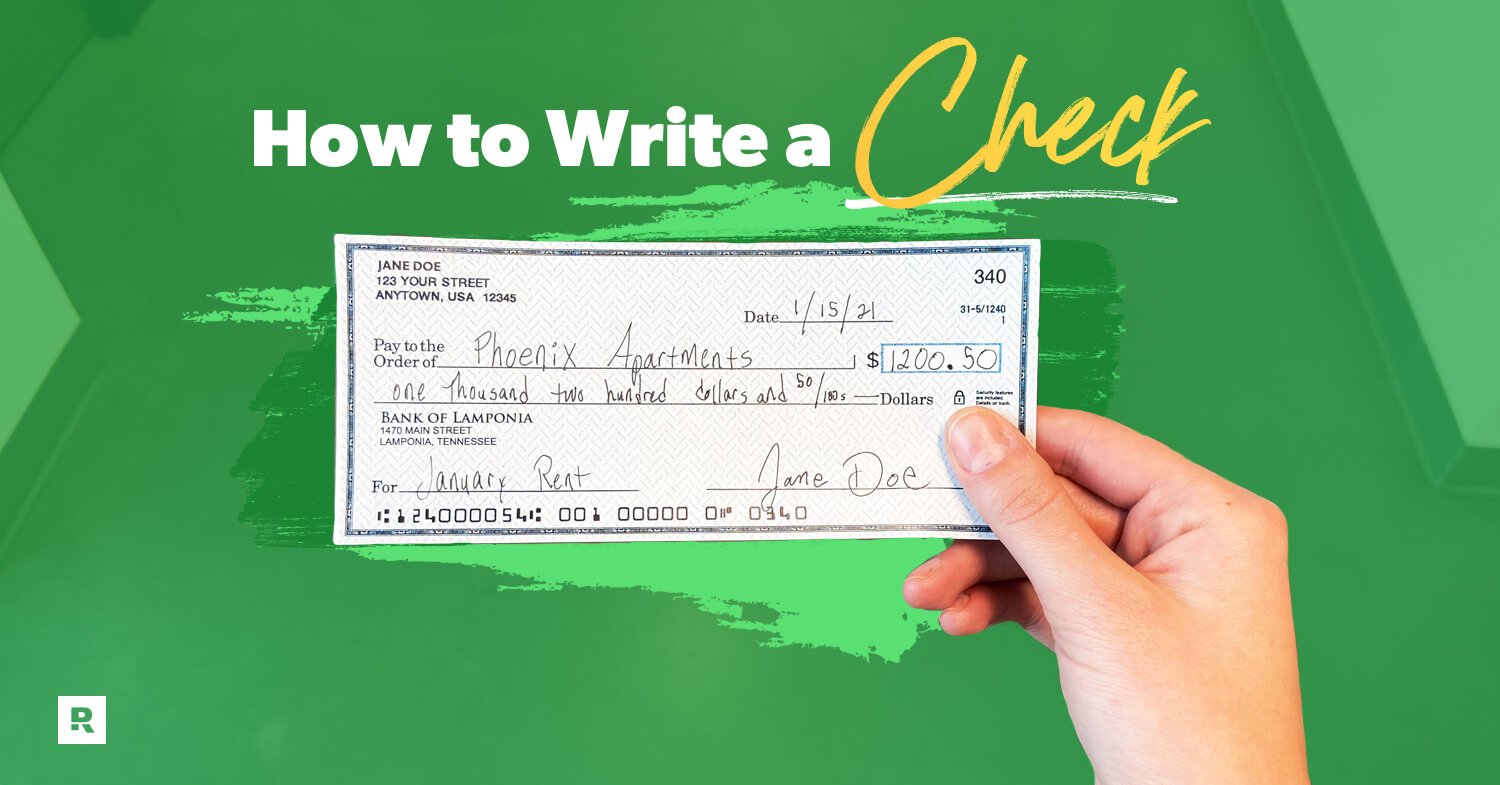
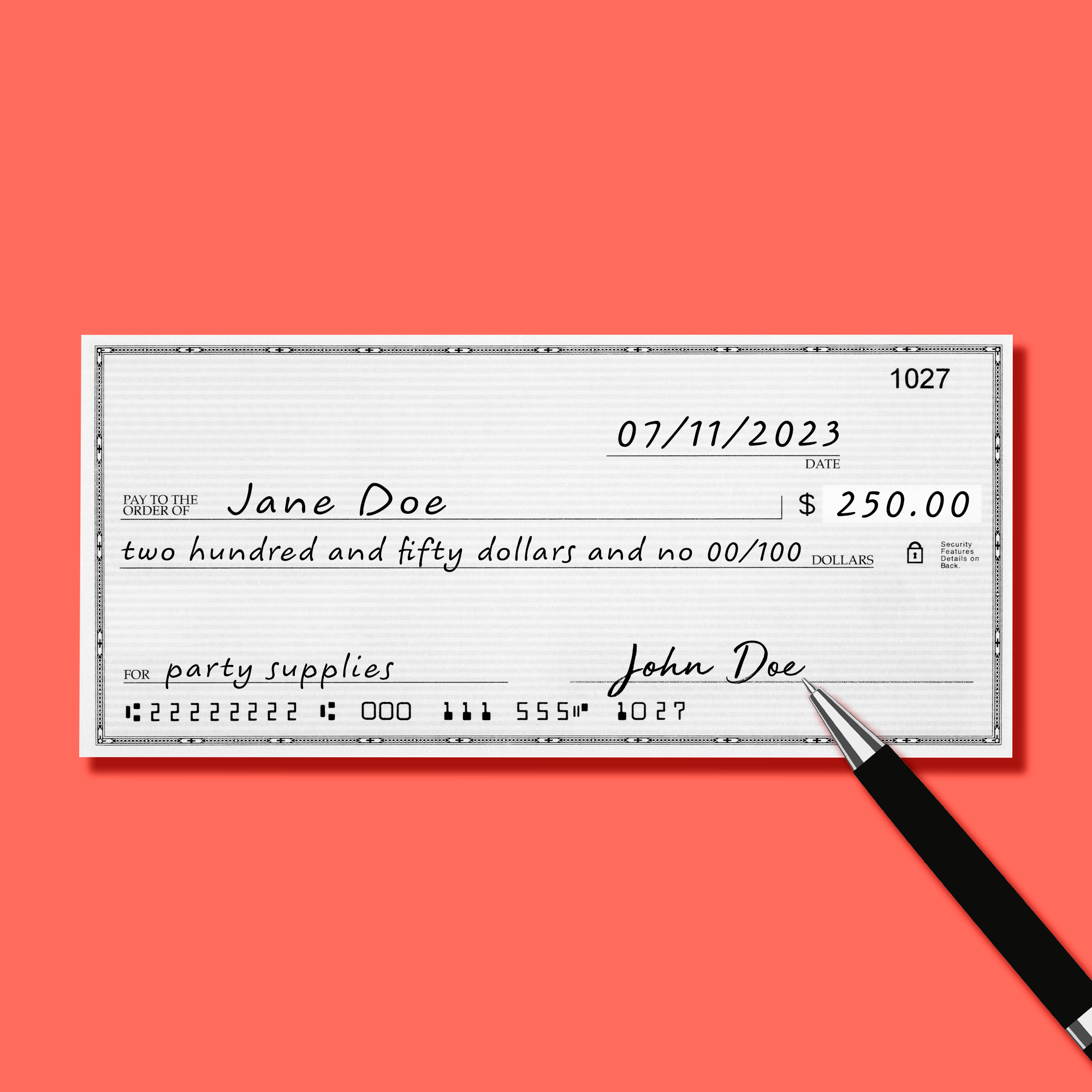
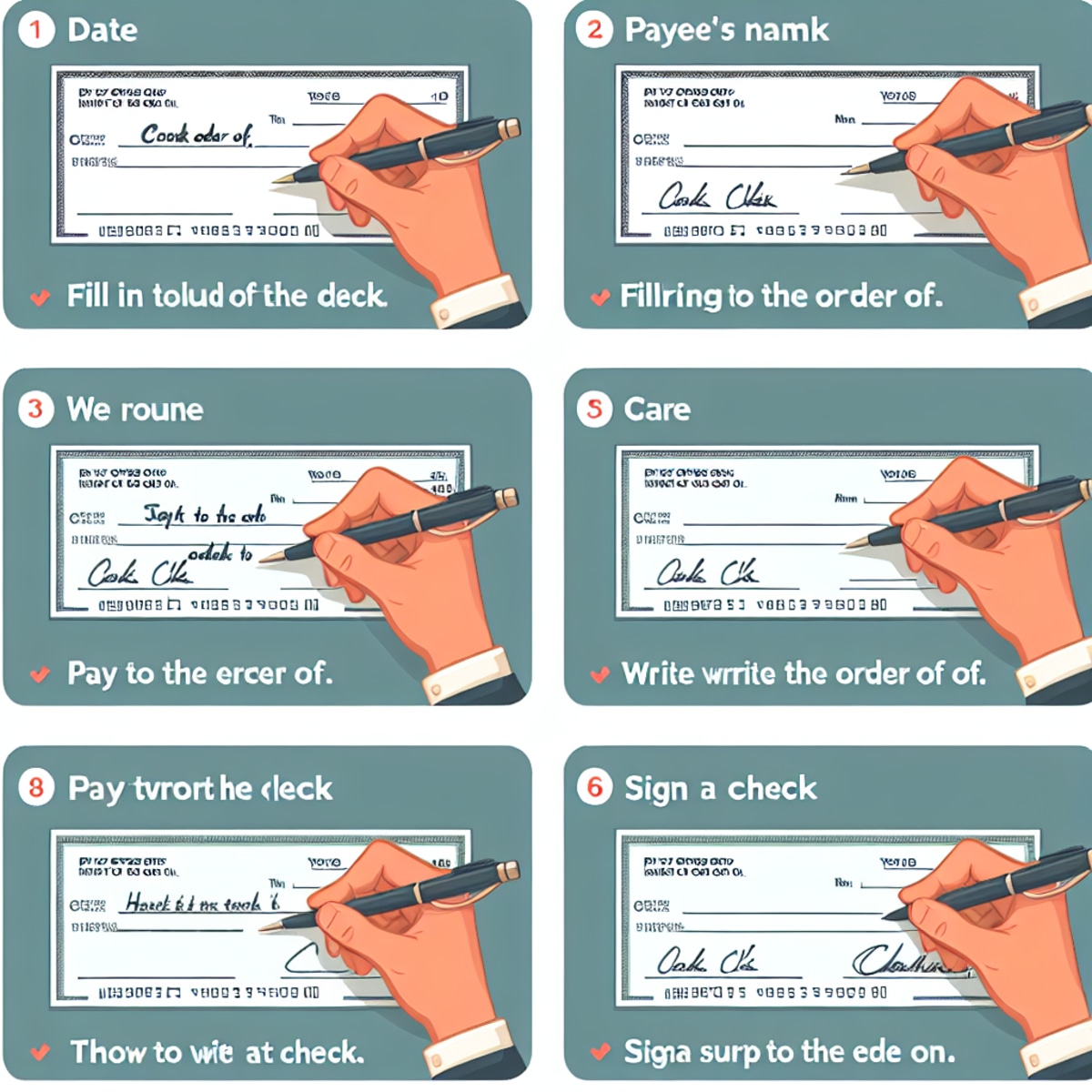
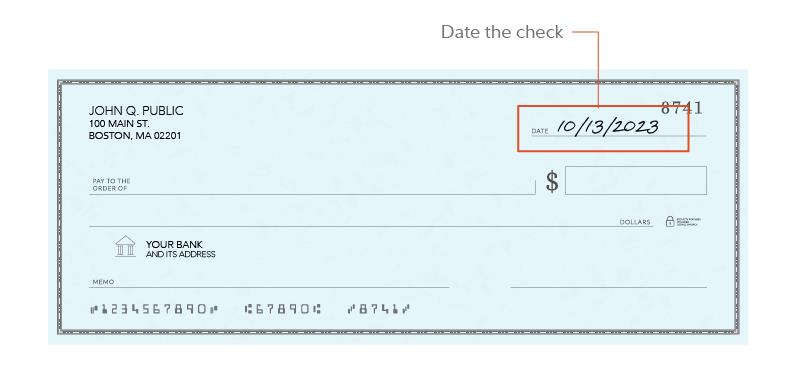
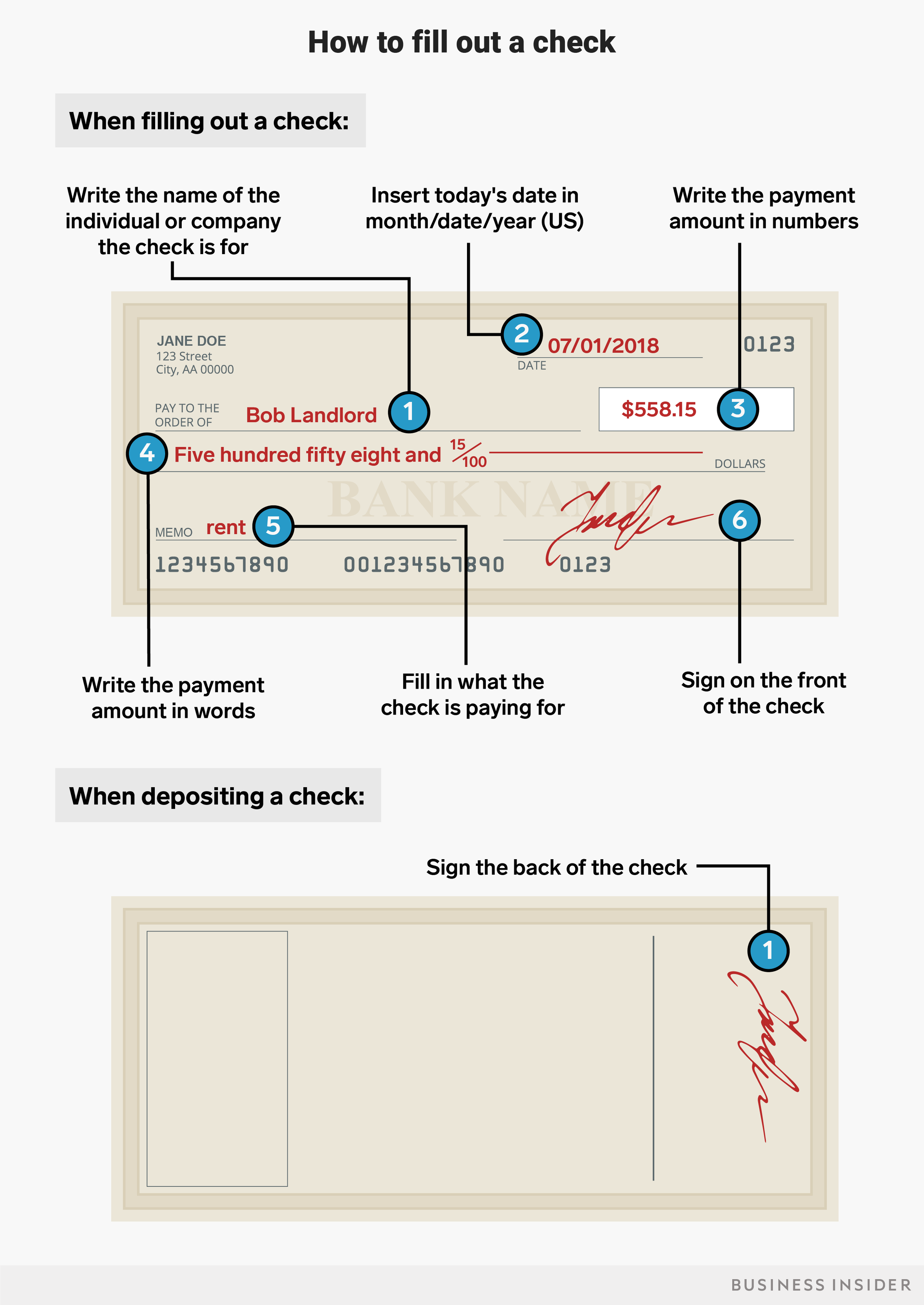
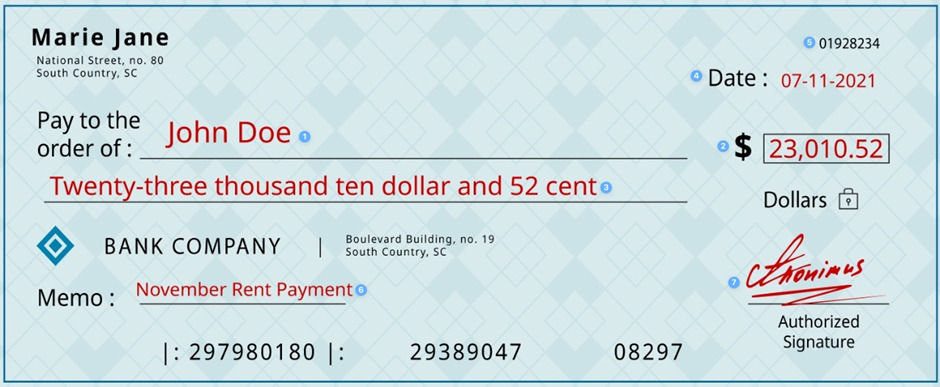
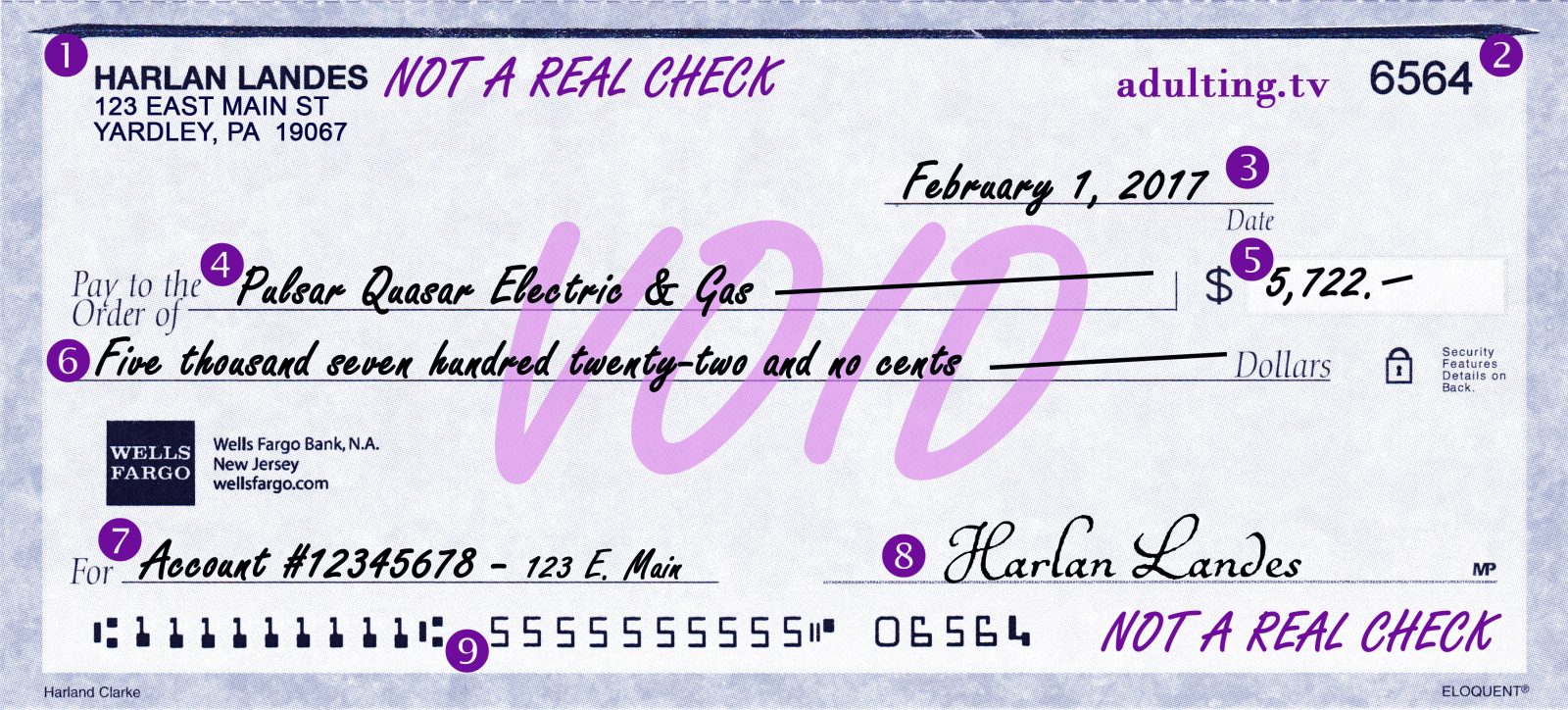
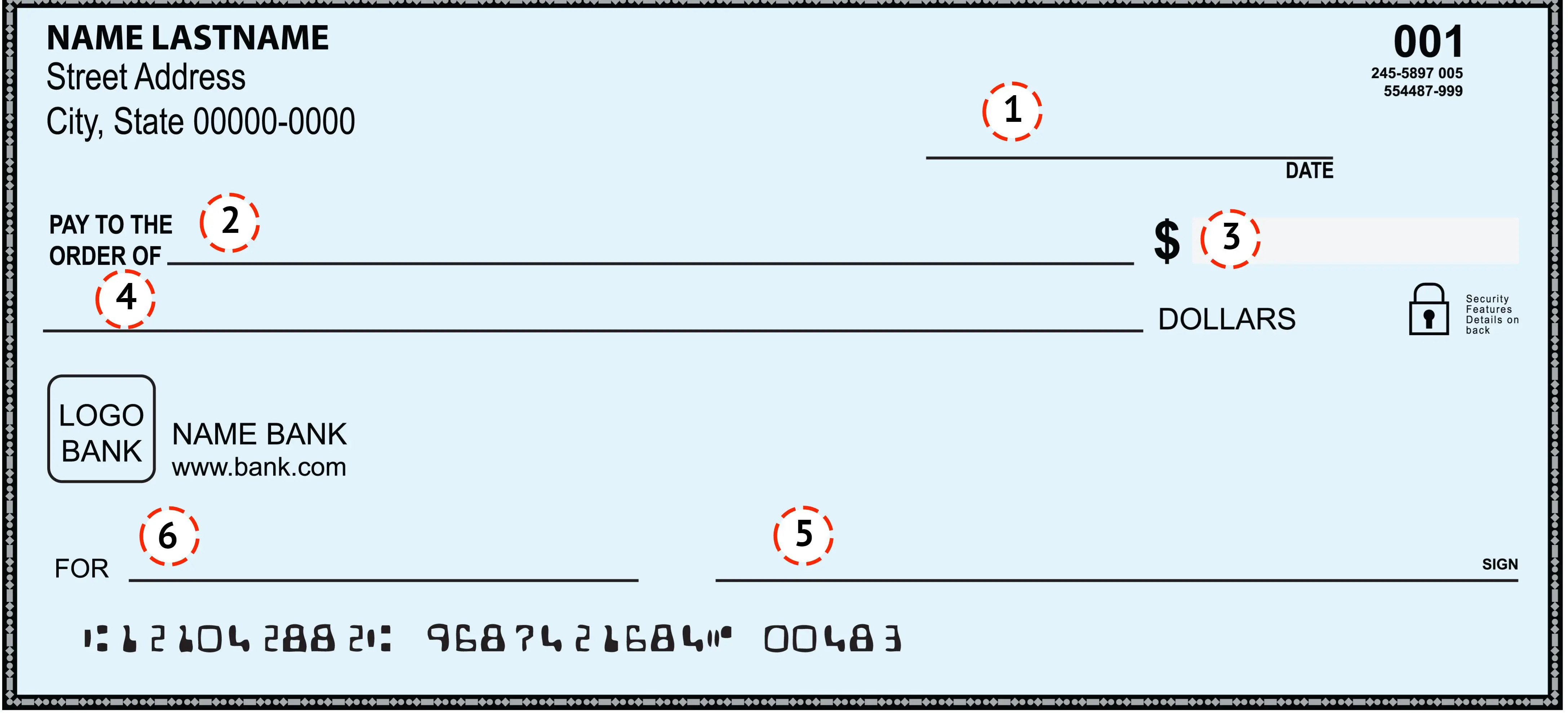
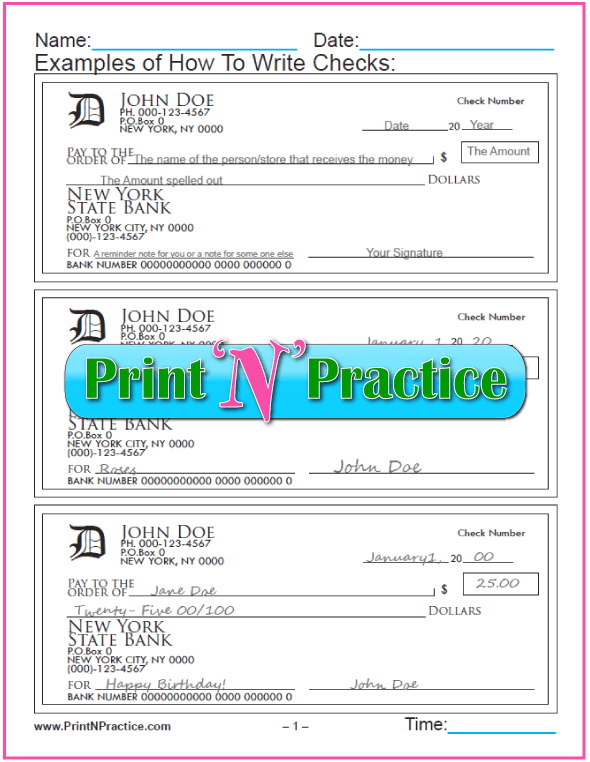
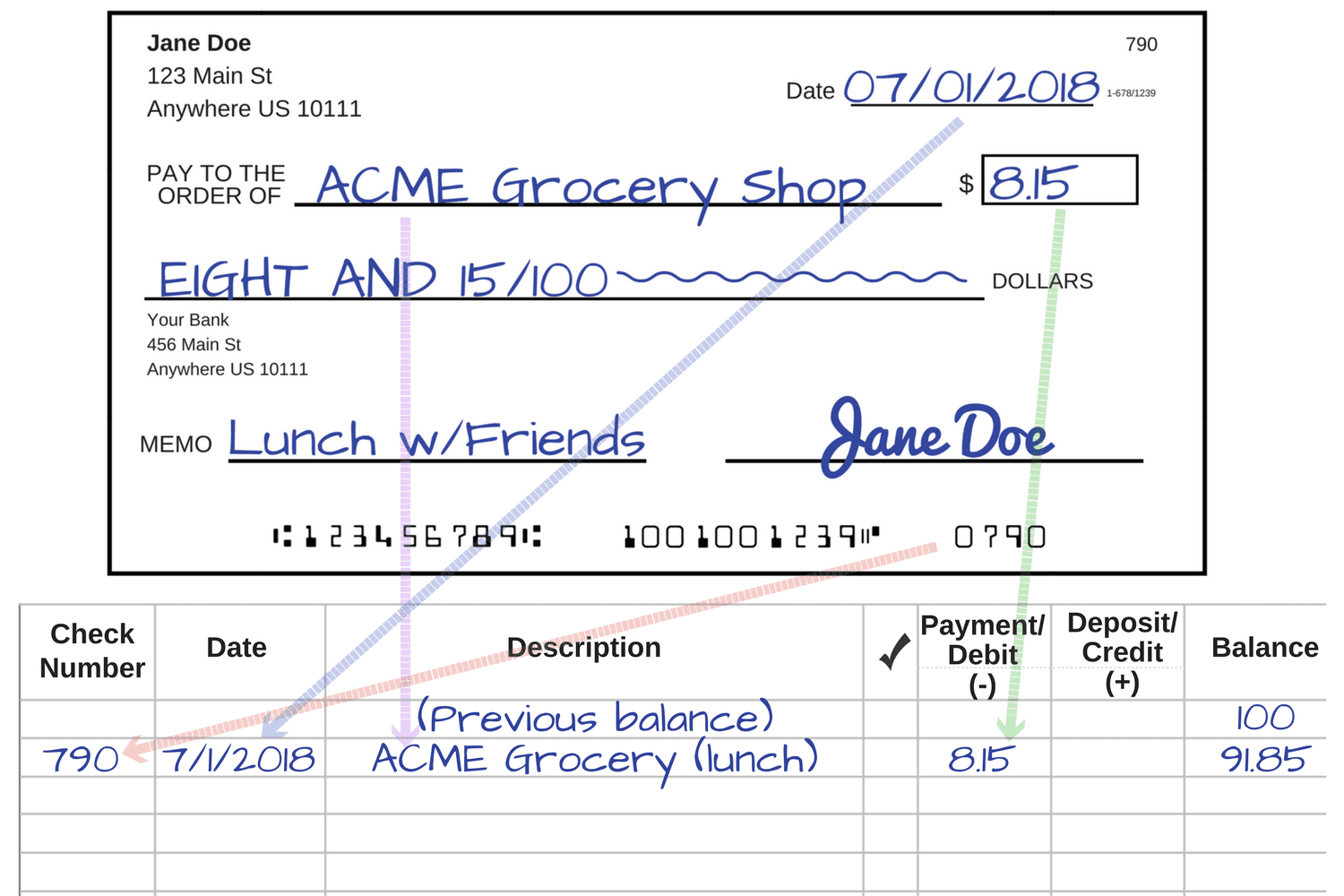
The first step in writing a check is to date it. This is done by writing the current date in the upper-right corner of the check. The date should be written in the format month/day/year (e.g., 02/25/2023).
It's essential to write the date correctly to avoid any confusion or delays. Remember to use the correct date, as writing a check with an incorrect date can lead to bounced checks or other issues.
Step 2: Write the Payee's Name
After dating the check, write the payee's name in the "Pay to the Order Of" line. This is the person or business you are paying. Make sure to spell the name correctly and spell it as it appears on the payee's account or identity documents.
Step 3: Write the Amount
The next step is to write the amount in both numbers and words. Write the amount in the box on the right side of the check, followed by the amount in words in the line below.

For example, if you want to write a check for $100.00, you would write "100.00" in the box and "One hundred and 00/100" in the line below.
Step 4: Write the Memo (Optional)
The memo line is optional, but it's a good practice to include a brief description of the payment. This can be useful for record-keeping and can help the payee identify the purpose of the payment.
Step 5: Sign the Check
Finally, sign the check with your full name exactly as it appears on the check. Do not sign the check in front of a facsimile or a substitution of your signature. Your signature should match the one on file at your bank or financial institution.
Additional Tips and Reminders
- Always use a pen to sign the check, not a pencil.
- Make sure the check is properly aligned and the writing is legible.
- Use a check register or a record-keeping system to track your checks.
- Never write a check without sufficient funds in your account.
Conclusion
Writing a check for the first time can seem intimidating, but with the right guidance, it's a simple process. By following these steps and remembering the additional tips and reminders, you'll be able to write a check with confidence and accurately. Always make sure to double-check the check before submitting it to avoid any errors or issues.