Embracing Technological Abstinence: A Path to Digital Liberation
In an era where technology has become an integral part of our lives, the concept of technological abstinence is gaining traction. This phenomenon refers to the intentional restriction or avoidance of digital devices for a set period, allowing individuals to disconnect from the virtual world and reconnect with the physical one. As we navigate the complexities of our increasingly digital lives, embracing technological abstinence can have a profound impact on our mental health, relationships, and overall well-being.
Understanding Technological Abstinence
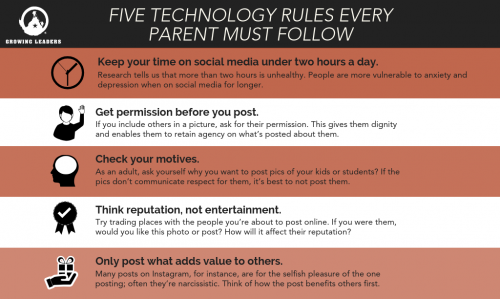
Technological abstinence is not about cutting oneself off from technology entirely; rather, it's about practicing mindful and intentional usage. By setting boundaries and time limits on digital device usage, individuals can establish a healthier relationship with technology and create space for offline activities that promote personal growth and social connection.
Benefits of Digital Detox
- Mental Clarity and Reduced Stress: Regular breaks from digital devices can help clear mental clutter, reduce stress levels, and promote a sense of calm.
- Improved Sleep: Avoiding screens before bedtime can lead to better sleep quality, which is essential for physical and mental health.
- Increased Productivity: By focusing on offline activities, individuals can prioritize tasks, manage time more effectively, and boost productivity.
- Enhanced Creativity and Connection: Spending time offline can foster creativity, encourage social interaction, and strengthen relationships with family and friends.
Effective Strategies for Technological Abstinence
To incorporate technological abstinence into your lifestyle, try these strategies:
- Set Boundaries: Establish time limits on digital device usage, and prioritize offline activities.
- Designate Device-Free Zones: Create phone-free areas in your home, such as the bedroom or dining table.
- Engage in Offline Hobbies: Pursue activities that promote creativity, physical activity, or social connection, such as painting, reading, or playing sports.
- Practice Mindfulness: Regularly take breaks from digital devices and focus on your thoughts, emotions, and surroundings.

Overcoming Challenges and Staying Committed
While adopting technological abstinence can be challenging, especially in today's digital-first world, it's essential to stay committed to your goals. Overcoming obstacles requires:
- Self-Awareness: Recognizing your cravings and motivations for digital device usage can help you set realistic goals and stay on track.
- Accountability: Share your intentions with a friend or family member and ask them to hold you accountable.
- Flexibility: Be kind to yourself and allow for flexibility in your plans, recognizing that setbacks are an opportunity for growth.
Reaping the Rewards of Technological Abstinence
By embracing technological abstinence, individuals can experience a range of benefits that extend beyond mere entertainment. By prioritizing offline activities, establishing healthy boundaries, and fostering a greater sense of self-awareness, individuals can:
- Reclaim Control: Over their digital lives and establish a healthier relationship with technology.
- Discover New Hobbies: Engage in offline activities that promote creativity, physical activity, and social connection.
- Improve Mental Health: Reduce symptoms of anxiety, depression, and stress associated with excessive digital device usage.
Conclusion
Technological abstinence is not a one-size-fits-all solution; it's a mindful approach to digital device usage that acknowledges the importance of balance and flexibility. By incorporating strategies for technological abstinence into our lives, we can cultivate a healthier relationship with technology, prioritize offline activities, and reap the benefits of digital liberation.