The Inextricable Link between Nomophobia and Anxiety: Understanding the Relationship
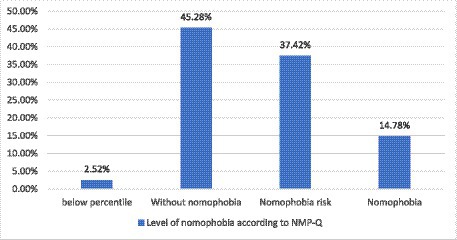
Nomophobia, or the fear of being without a mobile phone, has become a concerning phenomenon in today's digital age. As our reliance on smartphones continues to grow, so does the prevalence of nomophobia among the population. One of the most significant consequences of nomophobia is its impact on mental health, particularly in regards to anxiety.
The Relationship between Nomophobia and Anxiety
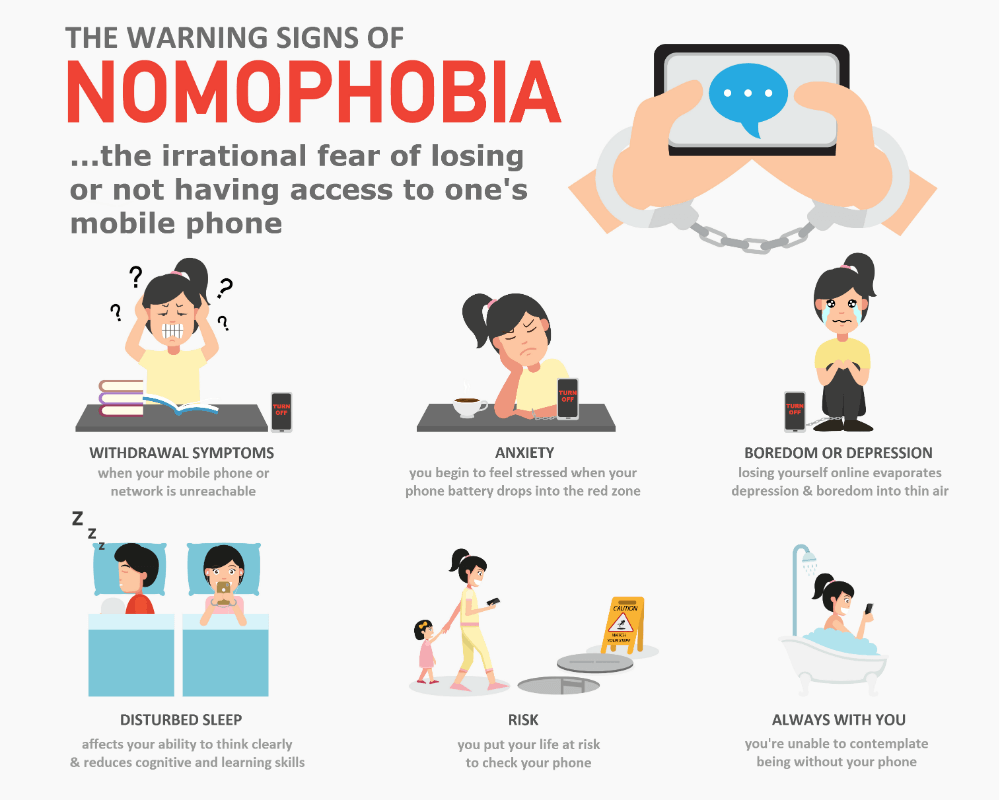
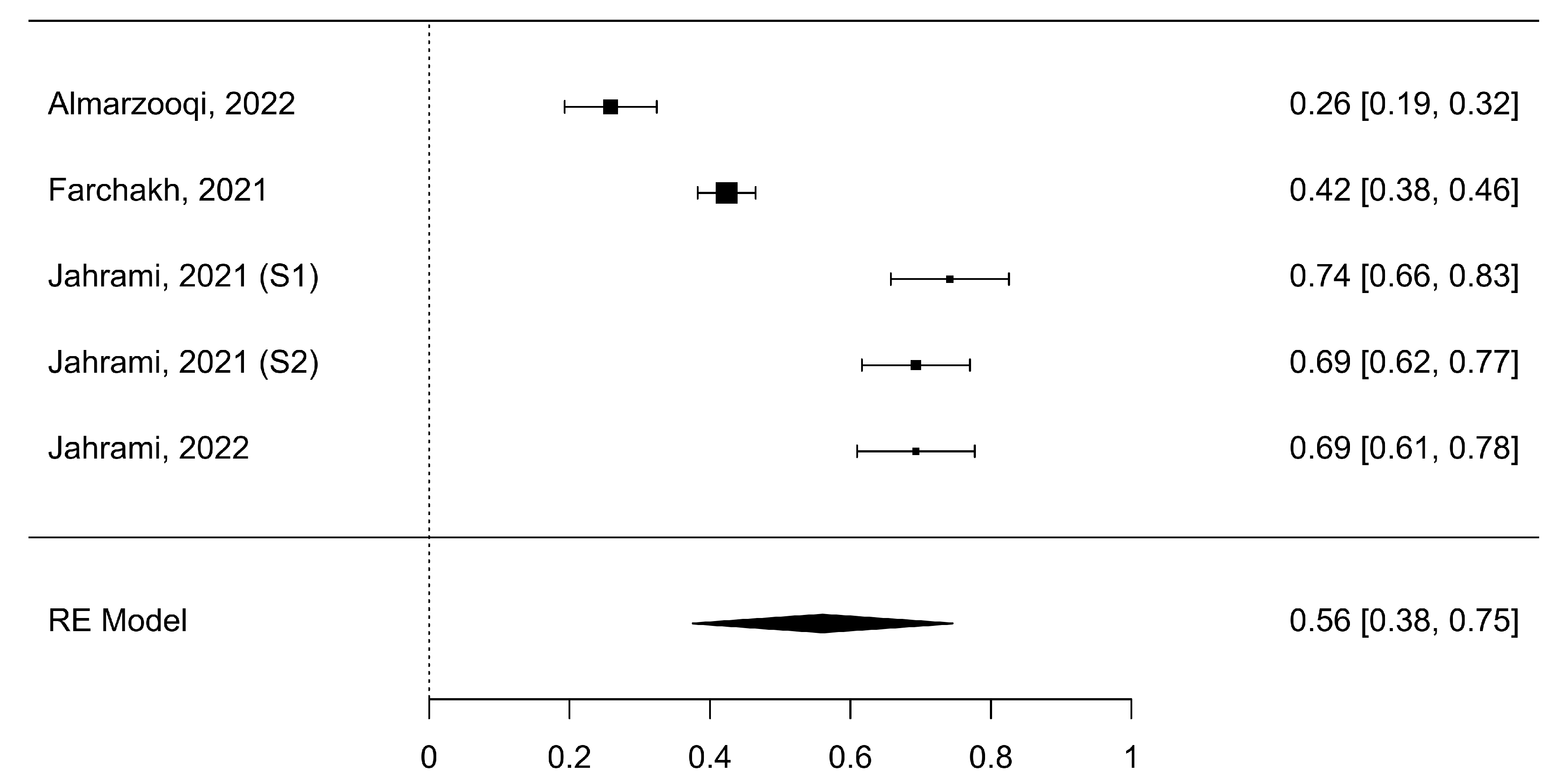
Research has consistently shown that there is a significant relationship between nomophobia and anxiety. Studies have found that individuals who experience nomophobia are more likely to exhibit elevated levels of anxiety, which can have a detrimental effect on their mental health and overall well-being. The fear of being without a mobile phone can lead to feelings of anxiety, panic, and stress, making it increasingly difficult to cope with everyday situations.
Causes of Nomophobia and Anxiety
- Excessive Smartphone Use: The constant use of smartphones has led to an increase in nomophobia, as individuals become increasingly dependent on their devices.
- Fear of Missing Out (FoMO): The fear of missing out on important notifications, messages, or social media updates can exacerbate nomophobia and anxiety.
- Loss of Sense of Control: Nomophobia can lead to feelings of powerlessness and loss of control, contributing to increased anxiety levels.
- Social Anxiety: Nomophobia can be linked to social anxiety, as individuals may feel anxious about being out of contact with their devices and missing out on social interactions.
Impact of Nomophobia on Mental Health
The relationship between nomophobia and anxiety can have severe consequences on mental health. Research has linked nomophobia to increased levels of:

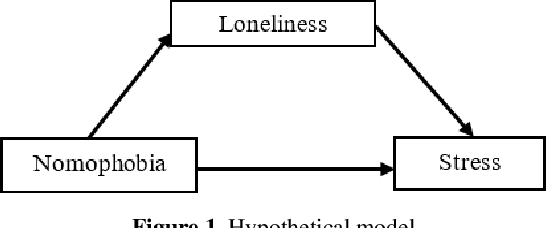
- Stress: Nomophobia can lead to prolonged periods of stress, which can negatively impact mental health and overall well-being.
- Depression: The intense fear and anxiety associated with nomophobia can contribute to depression.
- FoMO: The fear of missing out can lead to increased anxiety and a perpetual state of unease.
Breaking the Cycle
Breaking the cycle of nomophobia and anxiety requires a multi-faceted approach. Strategies to help alleviate nomophobia and anxiety include:
- Setting boundaries: Limiting smartphone use and setting aside screen-free time can help individuals build a healthier relationship with their devices.
- Engaging in physical activity: Regular physical activity can help reduce stress and anxiety levels.
- Seeking professional help: Counseling and therapy can provide individuals with tools to manage anxiety and nomophobia.
Conclusion
The relationship between nomophobia and anxiety is complex and multifaceted. By understanding the causes and consequences of nomophobia, we can take steps to mitigate its impact on mental health. By breaking the cycle of nomophobia and anxiety, individuals can work towards a healthier, more balanced relationship with their smartphones and the world around them.