Protecting Personal Identity Online in the United States: A Comprehensive Guide
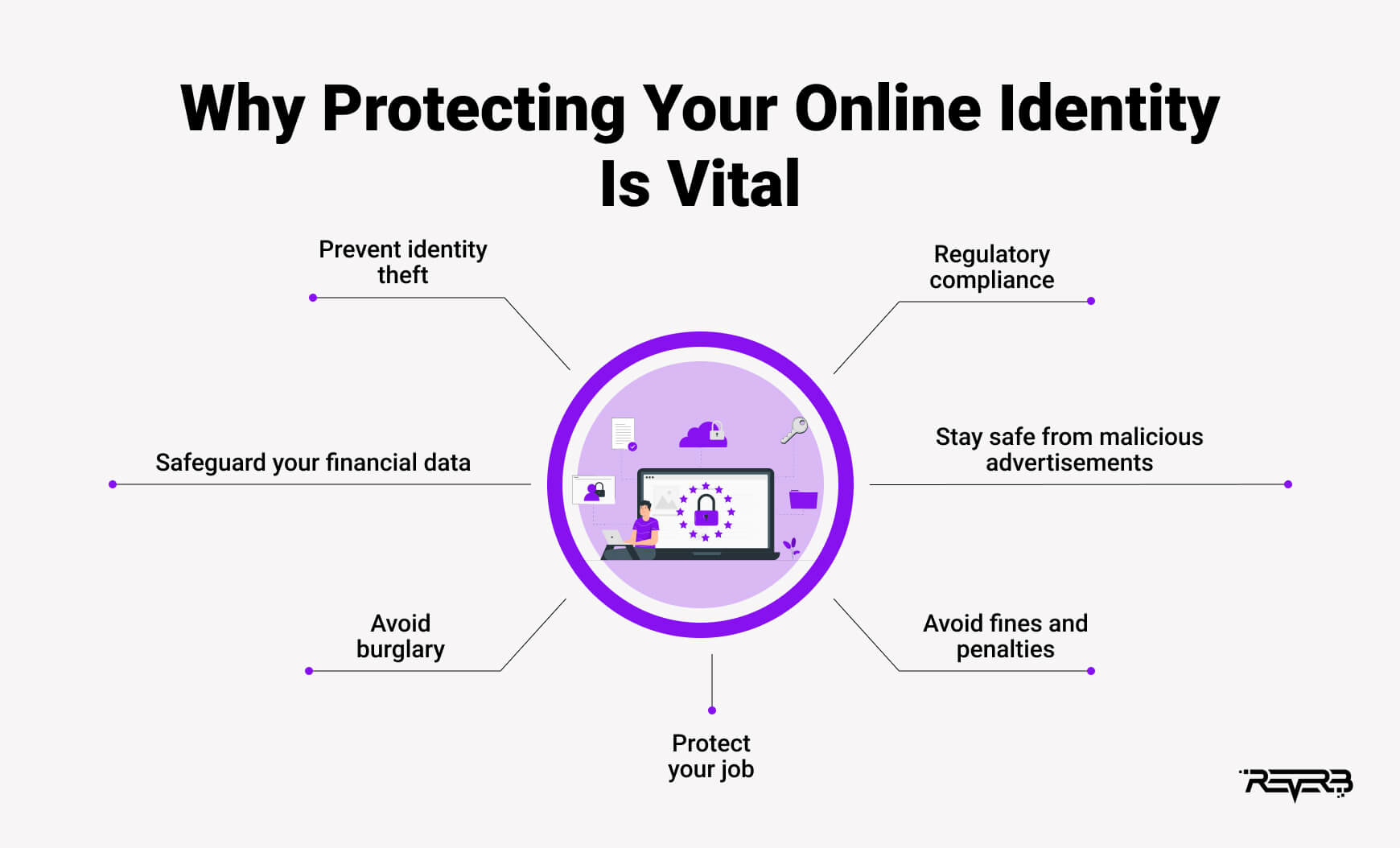
In today's digital age, protecting personal identity online is more crucial than ever. With the rise of cyber threats and identity theft, it's essential to take proactive measures to safeguard your sensitive information and prevent financial and personal losses. In this article, we'll delve into the world of online identity protection, exploring the latest threats, tips, and strategies to help you stay safe and secure.
Understanding the Risks
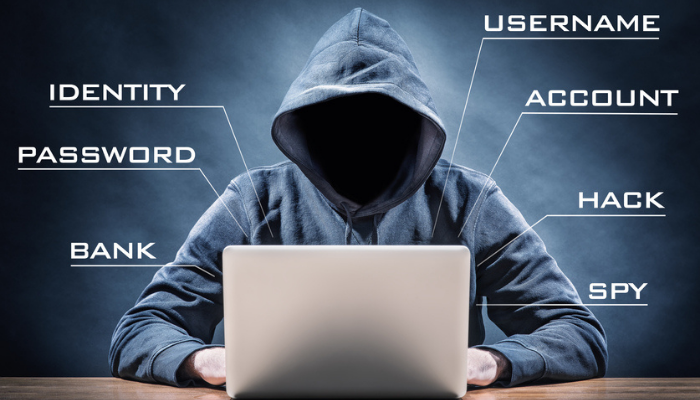
Cybercriminals have two primary goals: to steal your money and your identity. They use various tactics, including phishing, malware, and data breaches, to compromise your personal and financial information. Identity theft can have severe consequences, from financial losses to damage to your credit score and reputation. Knowing how to spot malicious cyber activities, how they work, and what you can do to prevent them is crucial in protecting your online identity.
Protecting Yourself Online
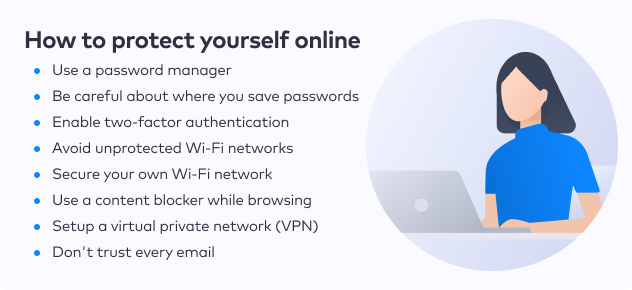
- Secure Your Devices: Keep your operating system, browsers, and software up to date to prevent vulnerabilities.
- Use Strong Passwords: Choose unique, complex passwords for each account, and consider using a password manager.
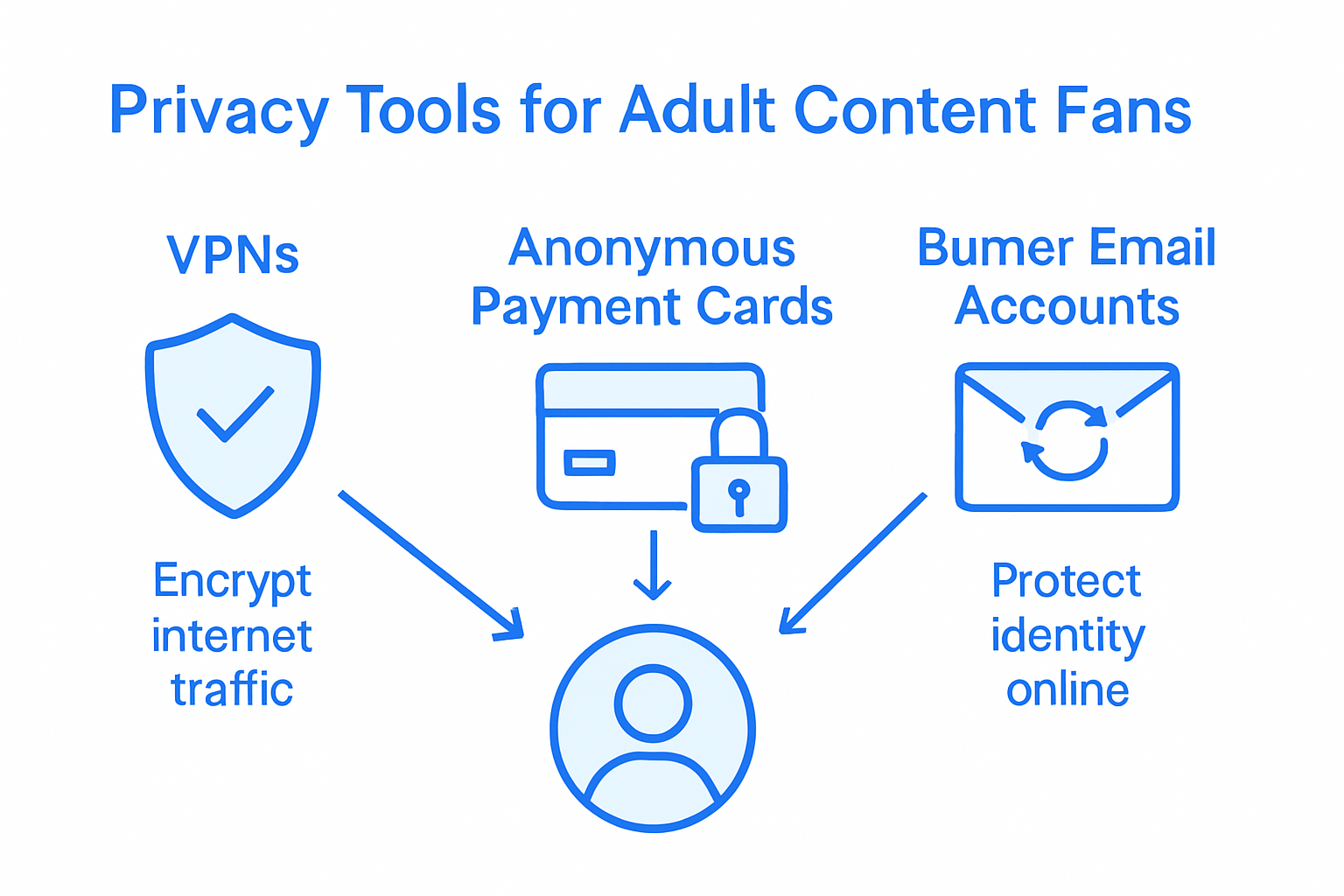
- Be Cautious with Public Wi-Fi: Avoid accessing sensitive information on public networks, and use a VPN (Virtual Private Network) when connecting to unsecured networks.
- Monitor Your Accounts: Regularly check your credit reports, bank statements, and other accounts for suspicious activity.
- Use Two-Factor Authentication: Enable 2FA (Two-Factor Authentication) whenever possible to add an extra layer of security to your accounts.
Using Online Tools and Services
There are various online tools and services available to help you protect your personal identity and finances. Some notable examples include:
- Credit Monitoring Services: Services like Credit Karma and Credit Sesame offer free credit monitoring and alerts to detect potential identity theft.
- Identity Theft Protection: Companies like LifeLock and IdentityForce offer comprehensive identity theft protection, including credit monitoring, alerts, and restoration services.
- Antivirus Software: Tools like Norton Antivirus and McAfee Antivirus help protect your devices from malware and viruses.
Staying Informed and Educated
Stay up-to-date with the latest online security threats, trends, and best practices by following reputable sources, such as:
- Government Agencies: Websites like the Federal Trade Commission (FTC) and the Cybersecurity and Infrastructure Security Agency (CISA) offer valuable information and resources on online security.
- Industry Leaders: Look for online resources from reputable companies, such as IBM Security and Akamai, which provide insights and guidance on the latest security threats.
- Online Communities: Engage with online forums and communities, like Reddit's netsec community, tostay informed and connected with other security enthusiasts.
Conclusion
Protecting personal identity online in the United States requires dedication, awareness, and a proactive approach. By understanding the risks, taking necessary precautions, and utilizing available tools and services, you can significantly reduce the likelihood of identity theft and financial losses. Stay informed, educated, and vigilant, and you'll be better equipped to safeguard your online identity and enjoy a secure online experience.
Additional Resources
For more information and resources on protecting personal identity online, visit the following websites:
- Federal Trade Commission (FTC): www.ftc.gov
- Cybersecurity and Infrastructure Security Agency (CISA): www.cisa.gov
- LifeLock: www.lifelock.com
- IdentityForce: www.identityforce.com
Remember, protecting your online identity is an ongoing process. Stay proactive, informed, and vigilant to ensure a secure online experience.