Breaking Free from Phone Addiction: Effective Strategies for Young Adults
Phone addiction is a growing concern among young adults, with many struggling to disconnect from their devices and maintain a healthy balance in their lives. Understanding the signs, causes, and effects of phone addiction is essential to seeking effective treatment and regaining control over one's life.
Understanding Phone Addiction
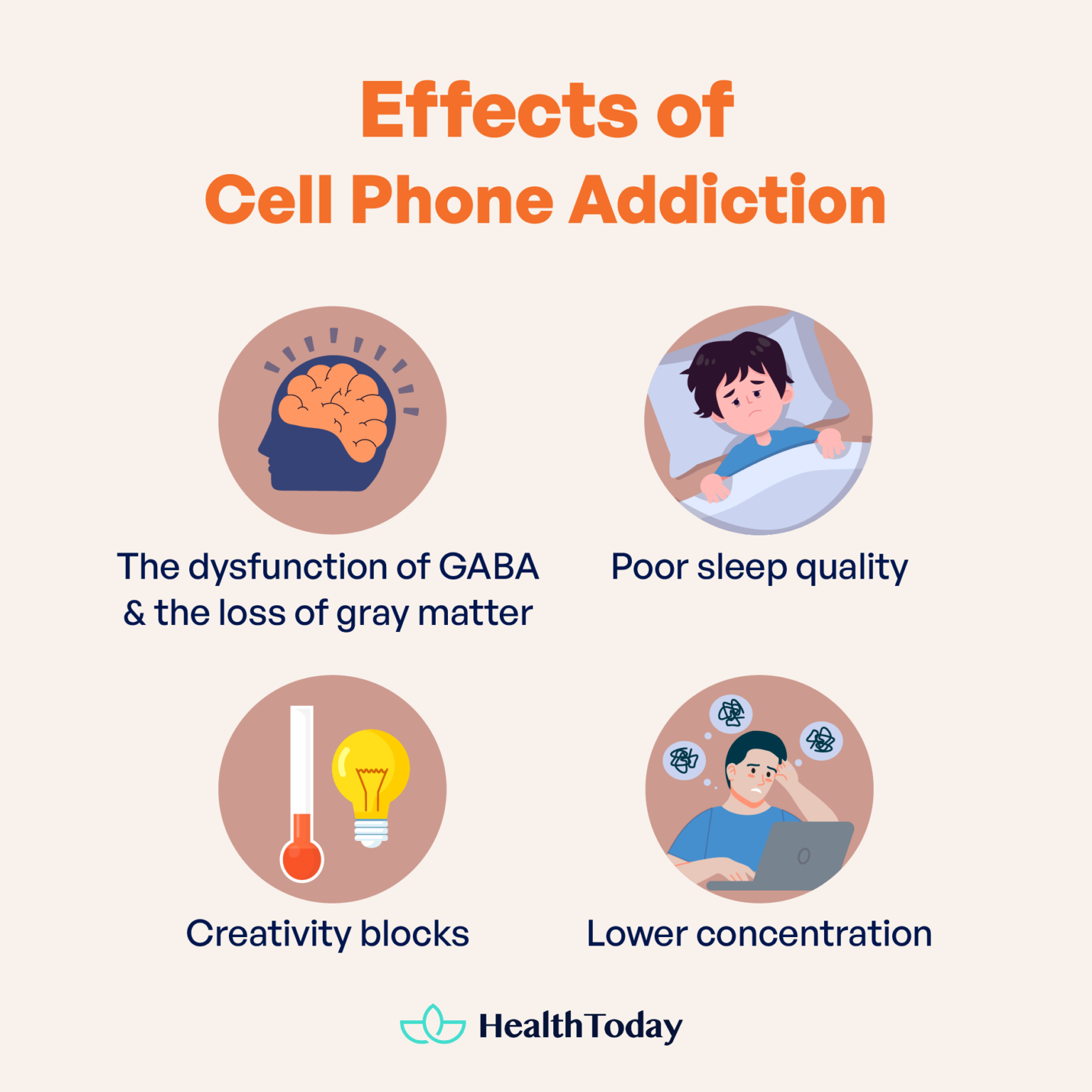
Phone addiction, also known as mobile phone addiction or digital addiction, is a psychological dependence on mobile phones and other digital devices. It can lead to a range of negative effects, including anxiety, decreased attention span, stress, and sleep deprivation.
Recognizing the Signs of Phone Addiction
- Spending excessive amounts of time on your phone, even when it interferes with daily activities, relationships, or work.
- Negative effects on mental and physical health, such as anxiety, depression, or sleep deprivation.
- Feeling anxious or irritable when unable to access your phone or when it is taken away.
- Engaging in compulsive behavior, such as constantly checking social media or email.
Causes of Phone Addiction
Phone addiction can be caused by a combination of factors, including:
- Genetic predisposition: Some individuals may be more prone to addiction due to their genetic makeup.
- Environmental factors: Exposure to digital media from a young age, lack of parental guidance, and social pressures can contribute to phone addiction.
- Psychological factors: Mental health issues, such as anxiety or depression, can increase the risk of phone addiction.
Effective Strategies for Phone Addiction Treatment
Cognitive-Behavioral Therapy (CBT)

CBT is a highly effective therapy for addressing phone addiction. It involves identifying and changing negative thought patterns and behaviors associated with phone use.
Digital Detox Routines
Digital detox routines involve setting aside time each day to disconnect from digital devices and engage in other activities, such as exercise, reading, or spending time with friends and family.
Emotional Regulation
Emotional regulation involves developing healthy coping mechanisms to manage stress, anxiety, and other emotions that may contribute to phone addiction.
Phone Addiction Treatment for Young Adults
Phone addiction treatment for young adults typically involves a combination of the above strategies, including CBT, digital detox routines, and emotional regulation. Treatment may also involve:
- Family therapy to address underlying family dynamics and support systems.
- Individual counseling to address underlying mental health issues and develop coping mechanisms.
- Group therapy to connect with others who are struggling with phone addiction.
Conclusion
Phone addiction is a serious issue that can have negative effects on mental and physical health, relationships, and daily life. Seeking effective treatment and regaining control over phone use can have a transformative impact on one's life. If you or a young adult you know is struggling with phone addiction, seek professional help today.