How to Get a Job in the Humanitarian Aid Industry
Working in the humanitarian aid industry can be a deeply rewarding and challenging career path. If you're passionate about making a difference in the lives of others, you may be wondering how to get a job in this industry. In this article, we'll outline the key stages to follow and provide valuable insights to help you succeed in landing a job in this field.
Understanding the Humanitarian Aid Industry
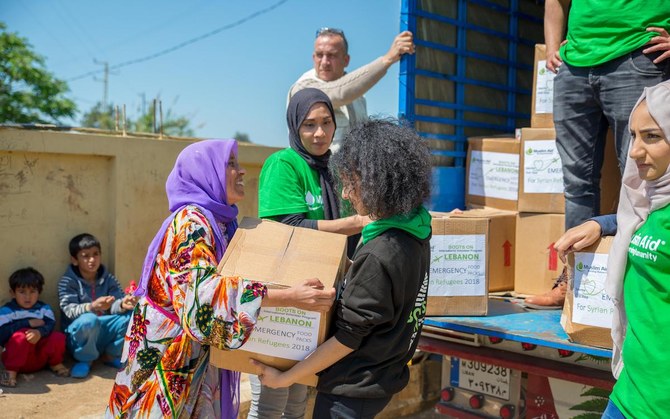
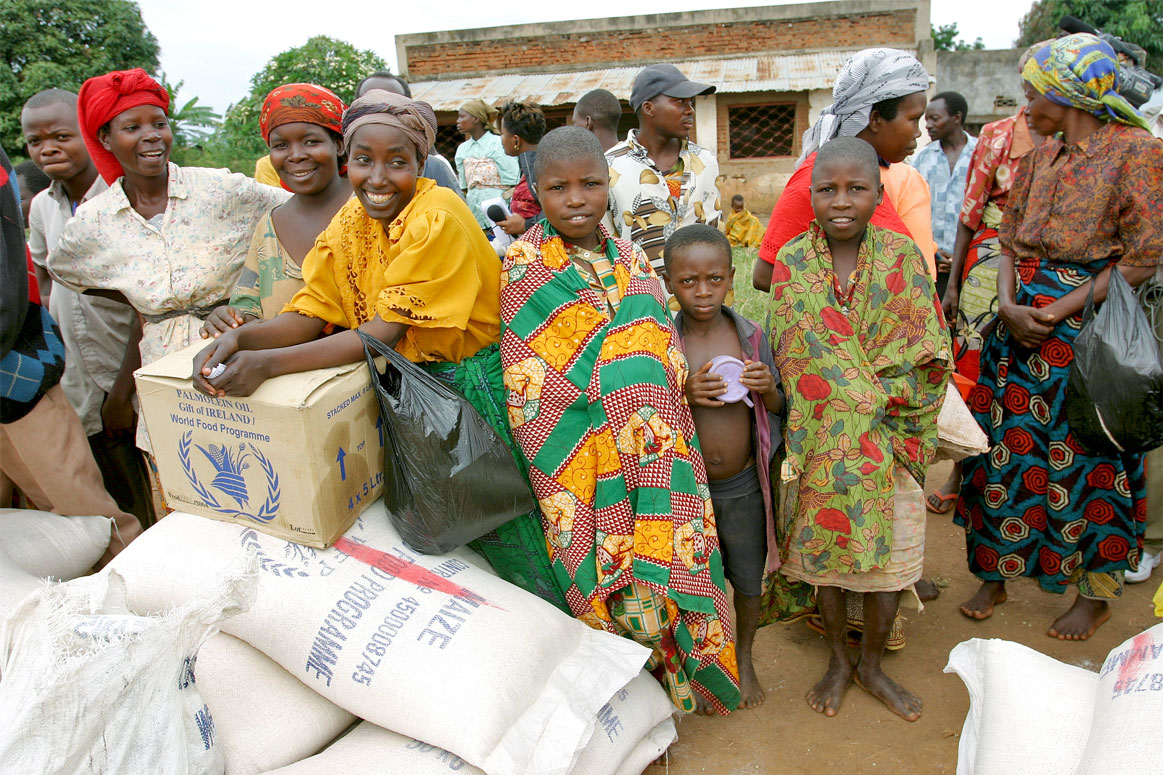
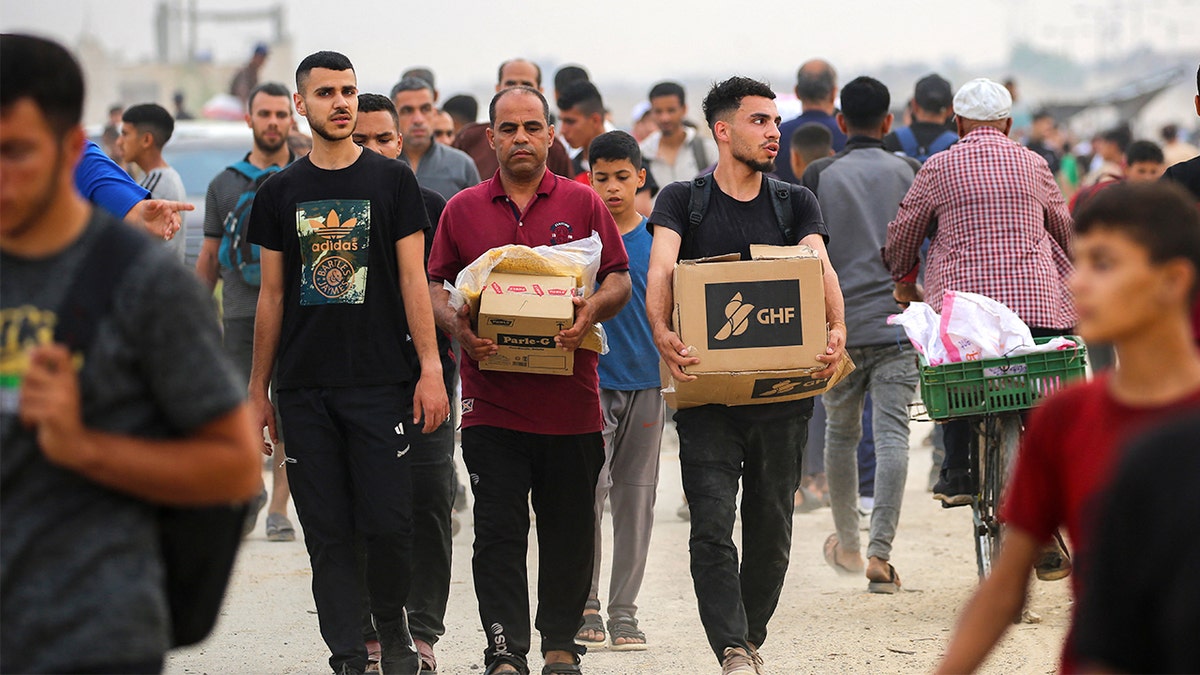
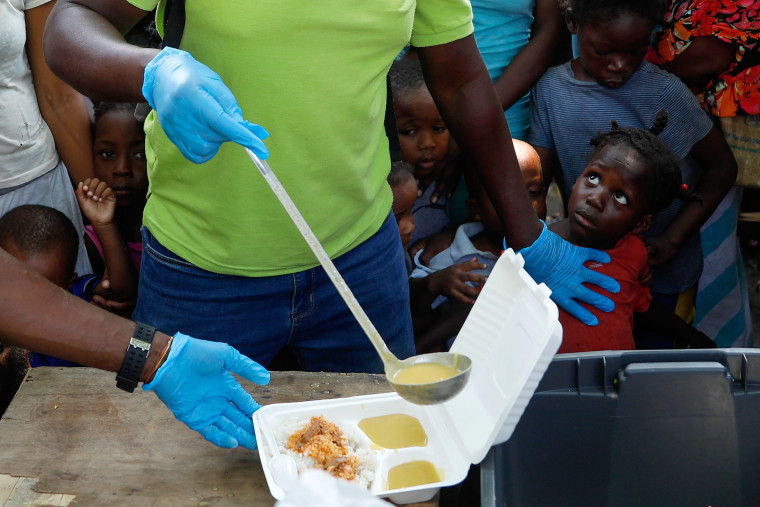
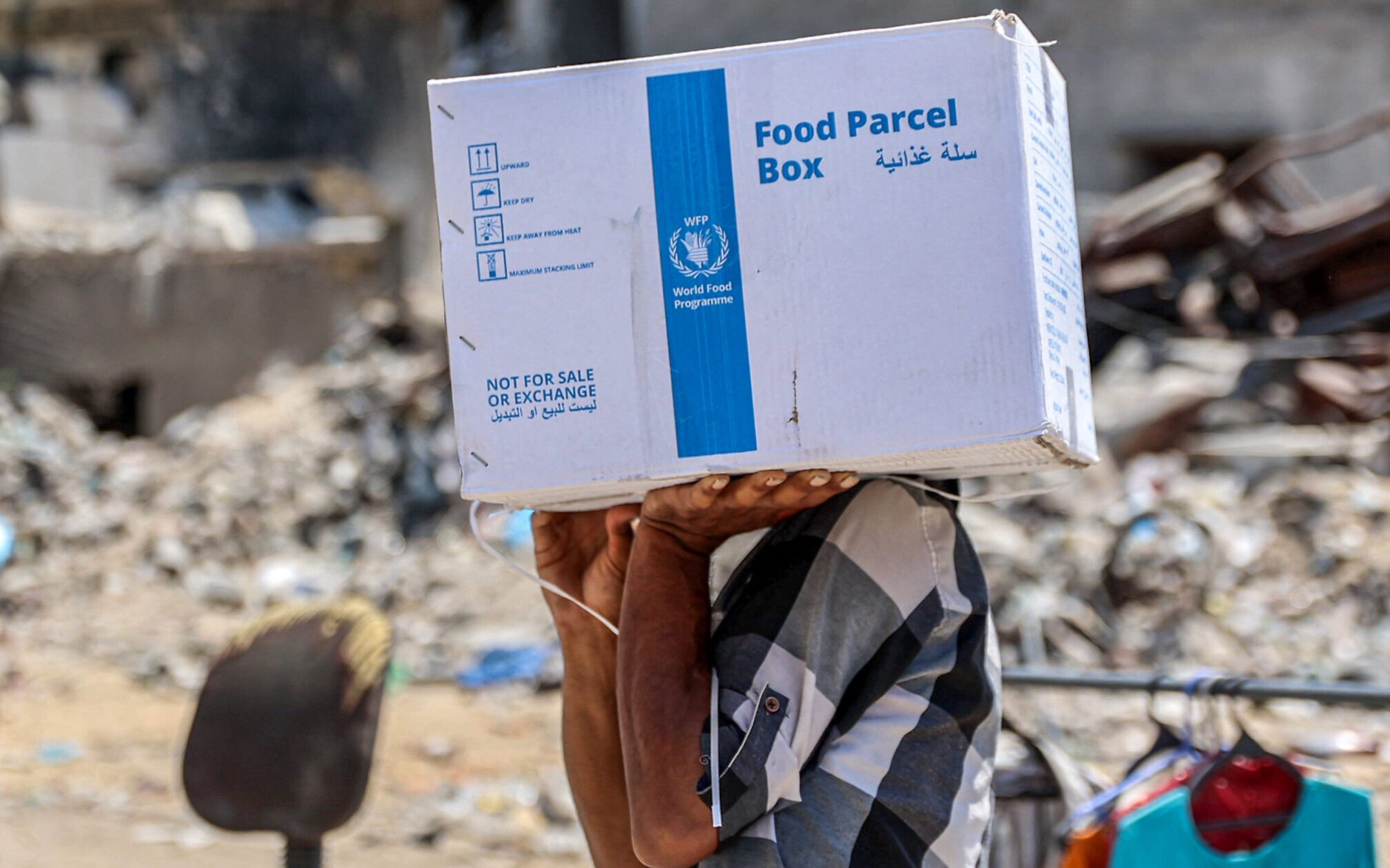
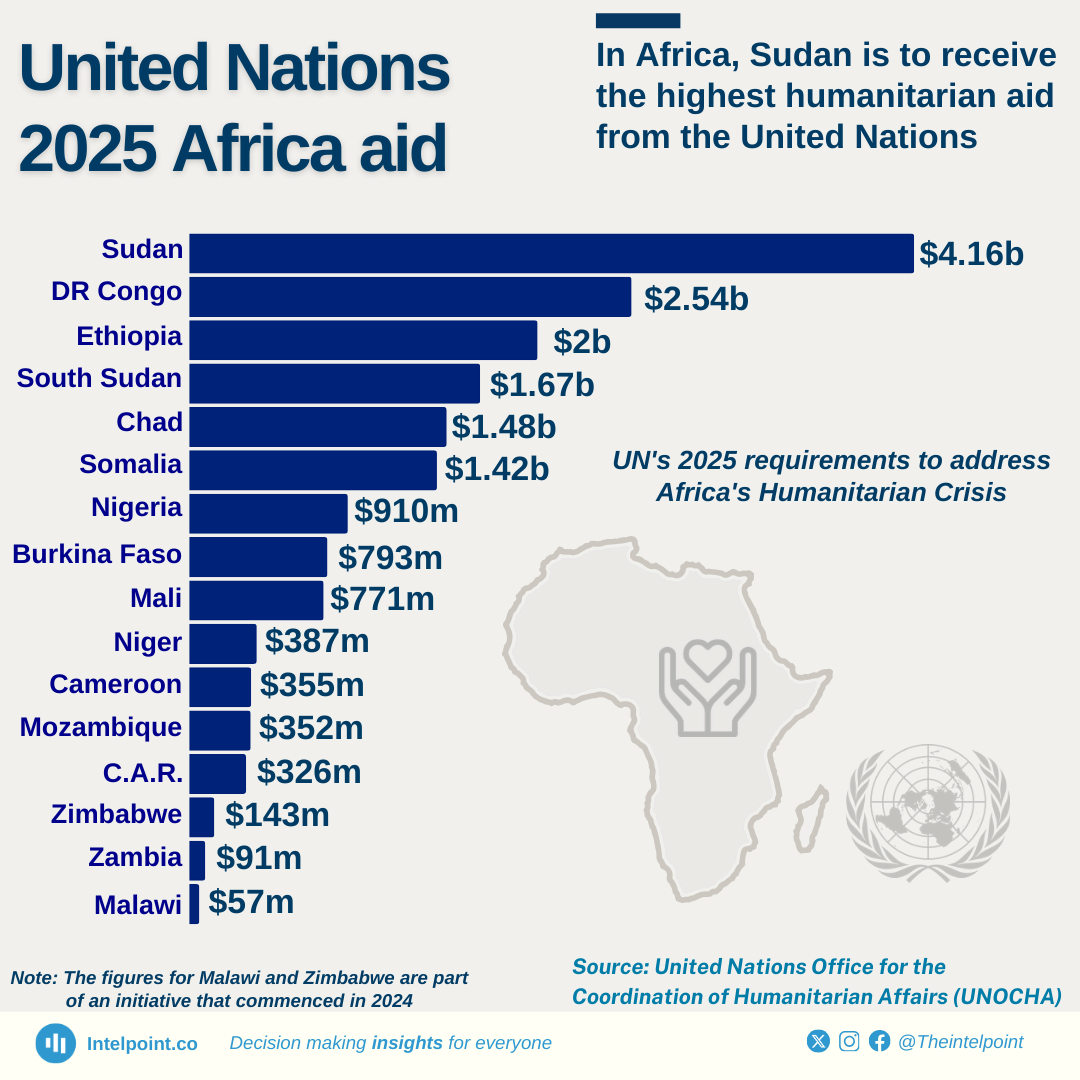
The humanitarian aid industry is made up of organizations that provide support to people affected by conflict, natural disasters, poverty, and other crises. Humanitarian aid workers manage projects around the world, helping people affected by disasters, conflicts, and poverty. Job descriptions for aid workers vary widely depending on the organization, programme, and exact job requirements.
Education and Skills Required
To work in the humanitarian aid industry, you typically need a background in international relations, human rights, humanitarian aid, or a related degree. Fluency in another language (or multiple languages) is also highly valued. Additionally, you'll need to have strong skills in areas such as:
- Fundraising and project management
- Communication and collaboration with local authorities
- Report writing and data analysis
- Crisis management and problem-solving
Key Stages to Follow
Stage 1: Research and Planning
Research the humanitarian aid industry and identify the types of roles that interest you. Look into organizations such as the United Nations, the Red Cross, and non-governmental organizations (NGOs) that operate in this sector.
Stage 2: Gain Relevant Education and Training
Pursue a degree in a relevant field such as international relations, human rights, humanitarian aid, or a related discipline. Consider taking courses or certifications in areas such as project management, crisis management, and language training.
Stage 3: Build Relevant Work Experience
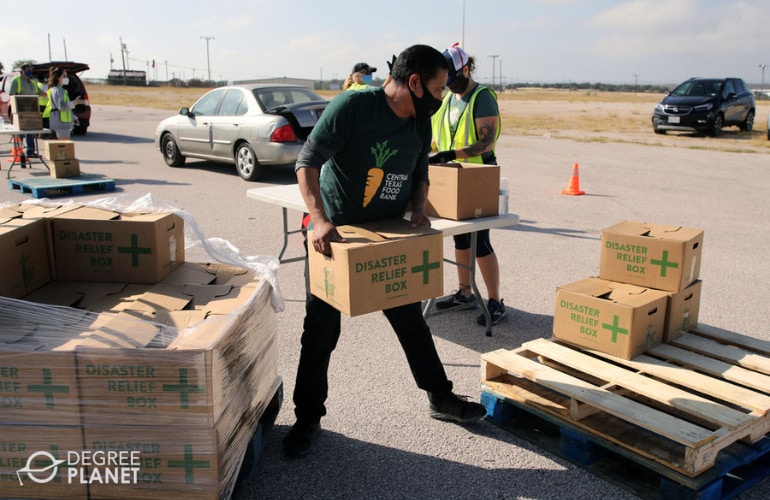
Gain experience in the humanitarian aid sector by volunteering or interning with organizations that operate in this field. This will help you develop the skills and knowledge required for a career in humanitarian aid.
Stage 4: Network and Build Relationships
Attend industry events, conferences, and networking sessions to connect with professionals in the humanitarian aid sector. Build relationships with individuals who can provide guidance, support, and job opportunities.
Job Opportunities in the Humanitarian Aid Industry
There are numerous job opportunities in the humanitarian aid industry, including:
- Project manager
- Humanitarian aid worker
- Logistics coordinator
- Communications officer
- Crisis manager
Conclusion
Working in the humanitarian aid industry requires dedication, hard work, and a strong passion for making a difference in the lives of others. By following the key stages outlined in this article, you'll be well on your way to landing a job in this rewarding and challenging field.
Additional Resources
If you're interested in learning more about the humanitarian aid industry and job opportunities in this sector, consider the following resources:
- Humanitarian Careers: A website that provides information on degrees, courses, and jobs for those working in humanitarian aid.
- The International Committee of the Red Cross (ICRC): An organization that provides protection and humanitarian assistance to people affected by conflict and armed violence.
- Thomson Reuters: A news and information website that provides industry-leading content and expertise on the humanitarian aid sector.