Nomophobia and Its Effects on Physical Health
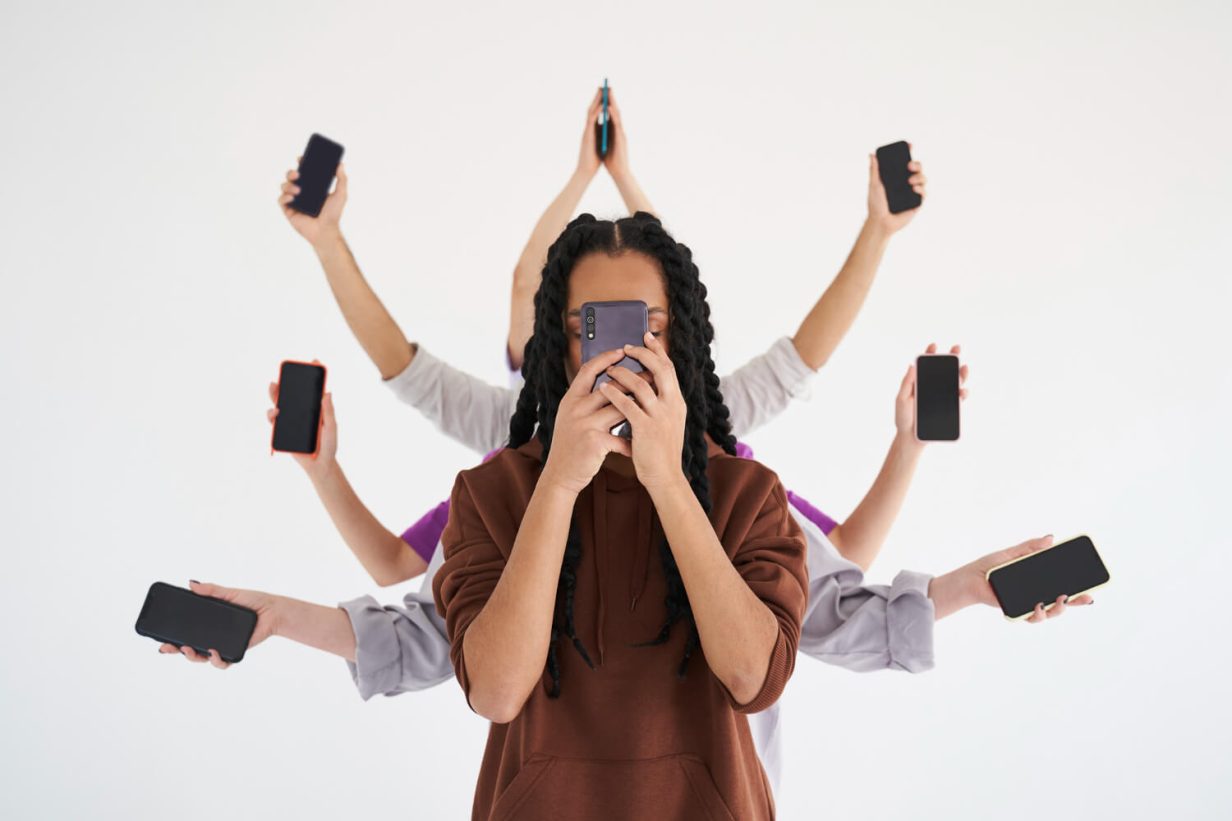
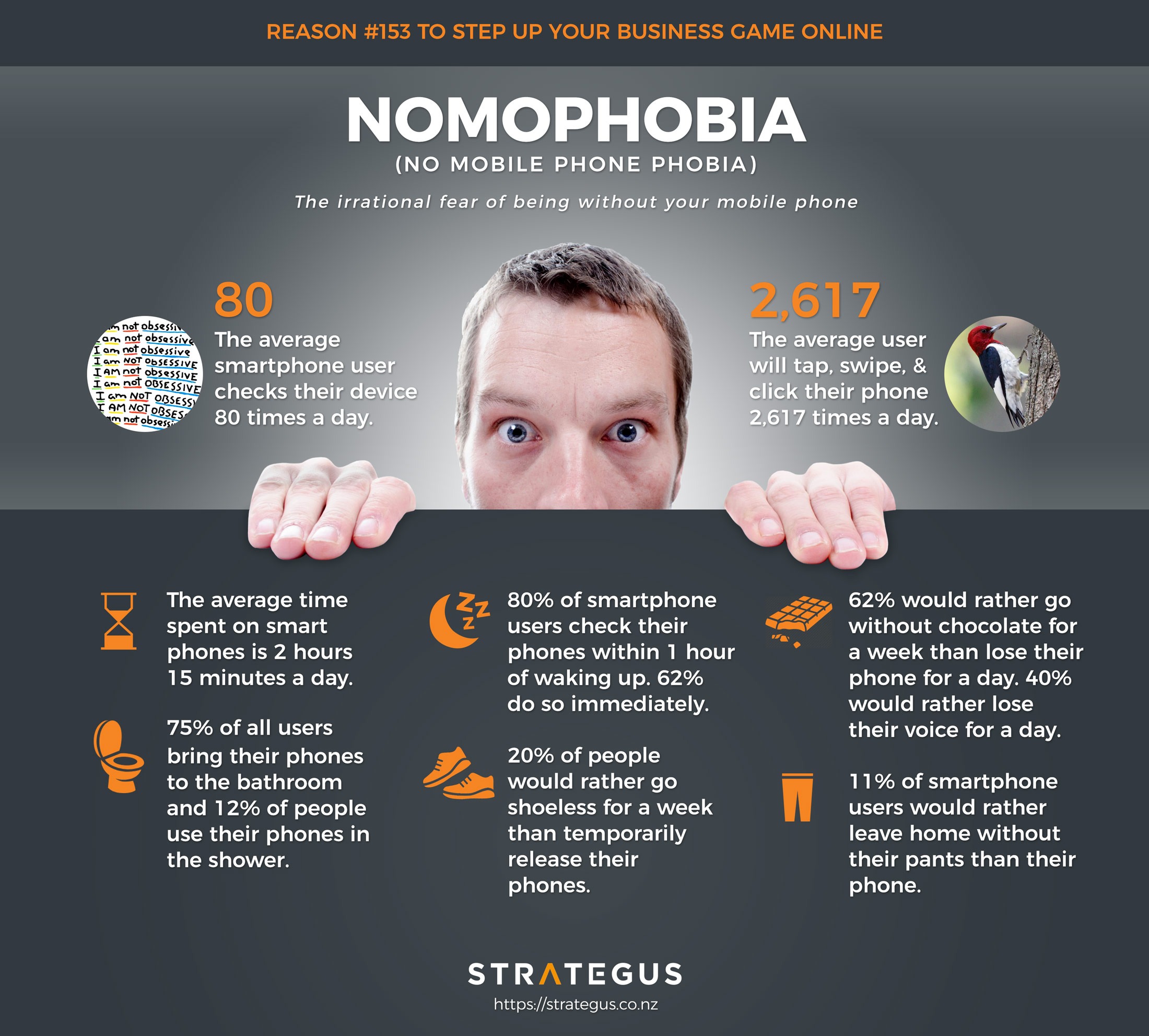
Nomophobia, a relatively new phenomenon, refers to the fear of being without a smartphone. This fear has become increasingly prevalent, especially among young adults. The excessive use of smartphones has led to a range of physical health problems, making it essential to explore the effects of nomophobia on physical health.
Prevalence and Level of Nomophobia
Research has shown that nomophobia is a common issue among young adults, with studies indicating that up to 68% of participants being unaware of the term. Despite this, there is a significant correlation between nomophobia and its physical and psychological effects, highlighting the need for further evaluation.
Nomophobia and Physical Health
Excessive smartphone use, a characteristic of nomophobia, has been linked to various physical health problems, including:
- Posture problems: Prolonged smartphone use can lead to poor posture, neck and back pain, and other musculoskeletal issues.
- Anxiety and stress: Nomophobia can cause anxiety and stress, leading to an increase in heart rate, blood pressure, and other cardiovascular problems.
- Sleep disturbances: Exposure to screens and the constant notifications from smartphones can disrupt sleep patterns, leading to insomnia and other sleep-related issues.
- Physical inactivity: Excessive smartphone use can lead to a sedentary lifestyle, contributing to obesity, diabetes, and other physical health problems.
Nomophobia and Mental Health
Nomophobia is not only linked to physical health problems but also has a significant impact on mental health. The anxiety and stress caused by nomophobia can lead to:
- Depression: The constant fear of being without a smartphone can lead to feelings of depression, loneliness, and isolation.
- Anxiety disorders: Nomophobia can contribute to the development of anxiety disorders, such as generalized anxiety disorder and social anxiety disorder.
- Panic attacks: The fear of being without a smartphone can trigger panic attacks, which can have a significant impact on an individual's quality of life.
Addressing Nomophobia and Its Effects on Physical Health
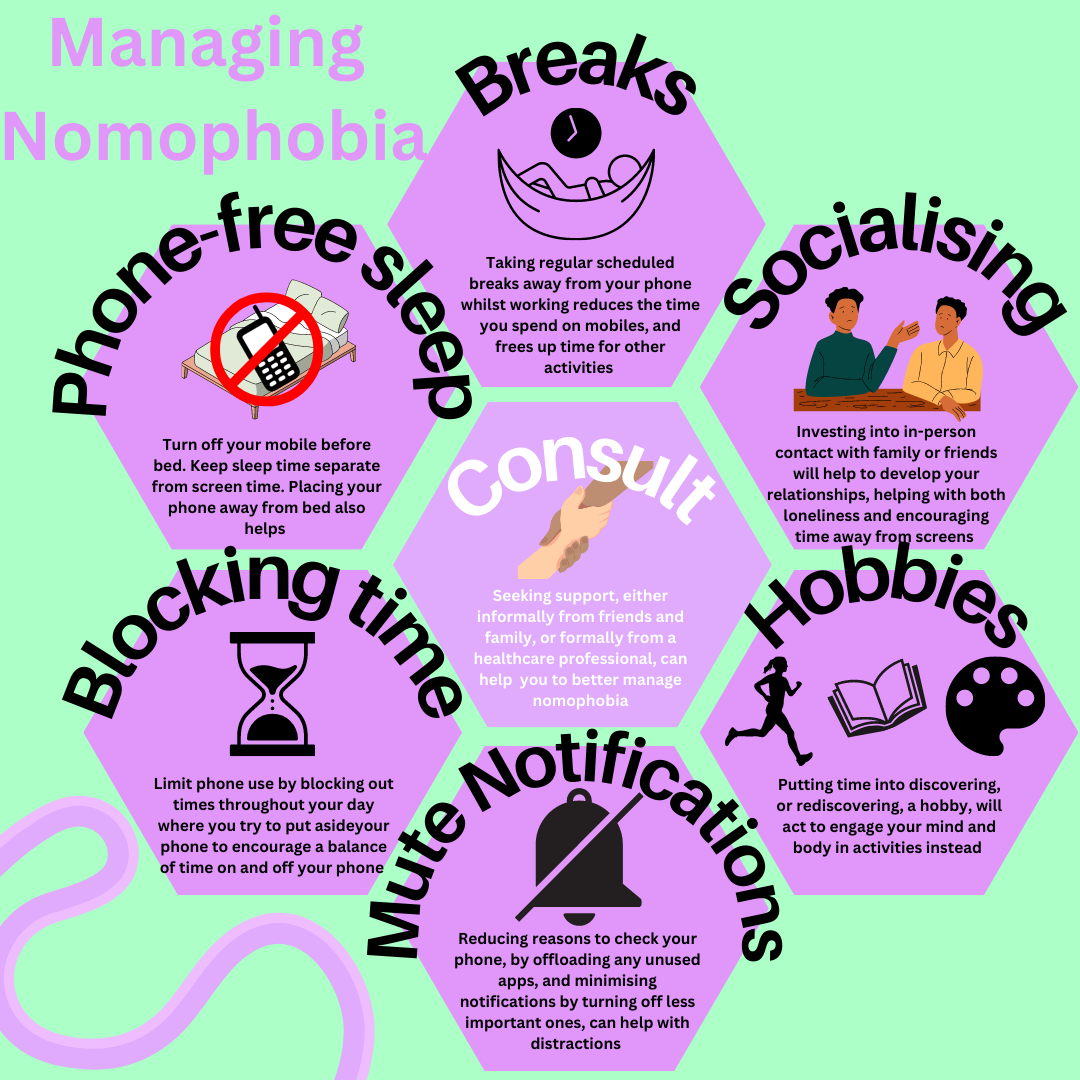
To address the effects of nomophobia on physical health, it is essential to adopt a comprehensive approach that includes:
- Screen time management: Setting limits on smartphone use and engaging in physical activities can help reduce the negative effects of nomophobia.
- Mindfulness and relaxation techniques: Practicing mindfulness and relaxation techniques, such as meditation and deep breathing, can help reduce anxiety and stress.
- Physical activity: Engaging in regular physical activity can help reduce the risk of physical health problems associated with nomophobia.
- Seeking professional help: If nomophobia is causing significant distress, it is essential to seek professional help from a mental health expert.
Conclusion
Nomophobia is a growing concern that requires attention and action. By understanding the effects of nomophobia on physical health and adopting a comprehensive approach to address it, we can reduce the risk of physical health problems and promote overall well-being.
References
References cited in this article include studies on nomophobia and its effects on physical health, including:
- Rodríguez-García et al. (2020). Nomophobia and its effects on personality, self-esteem, anxiety, stress, academic performance, and other physical and mental health problems.
- Nov 30, 2024. This study highlights the high prevalence of nomophobia among nursing students and its potential implications for their physical and mental well-being.
- Jan 2, 2025. Abstract Nomophobia, or the fear of being without a mobile phone, has been linked to negative impacts on the physical, psychological, and academic well-being of students, including nursing students.