Melatonin and Occasional Drinking: What You Need to Know
As we navigate the complexities of modern life, many of us turn to melatonin supplements to help us catch a few more winks. But what happens when we combine melatonin with a nightcap or two? In this article, we'll delve into the world of melatonin and occasional drinking, exploring the potential risks and consequences of this common mix.
The Science Behind Melatonin and Sleep
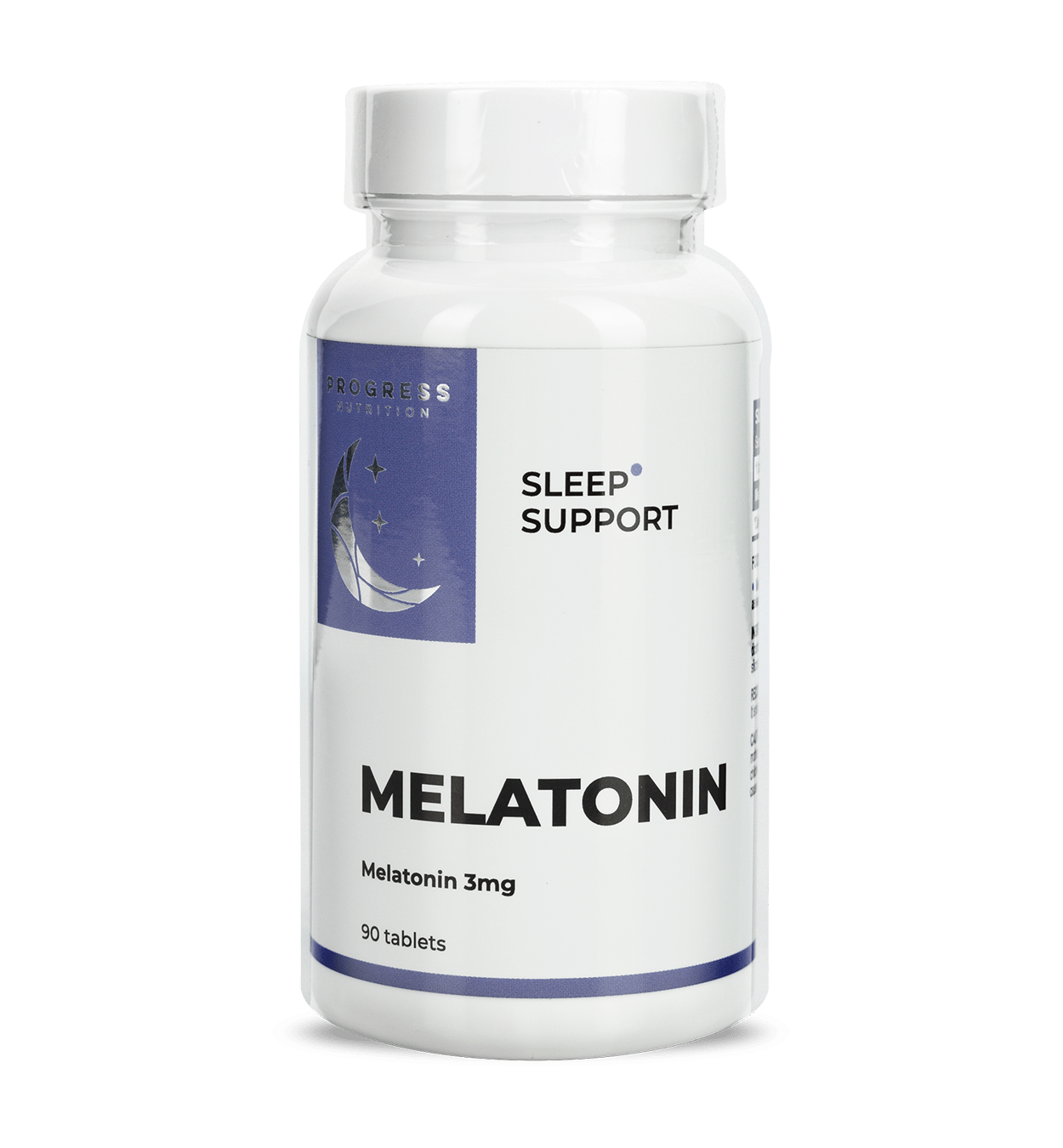
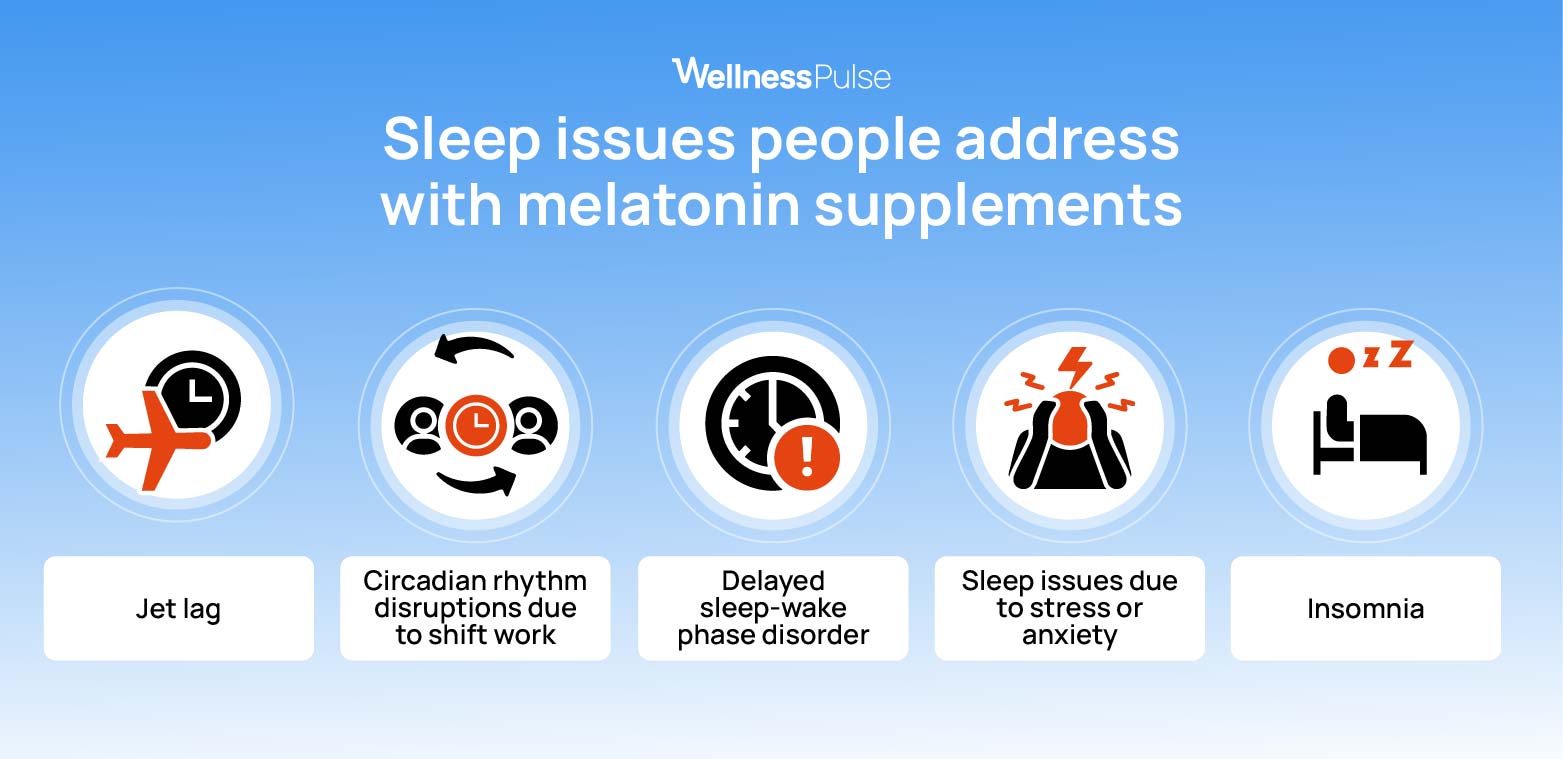
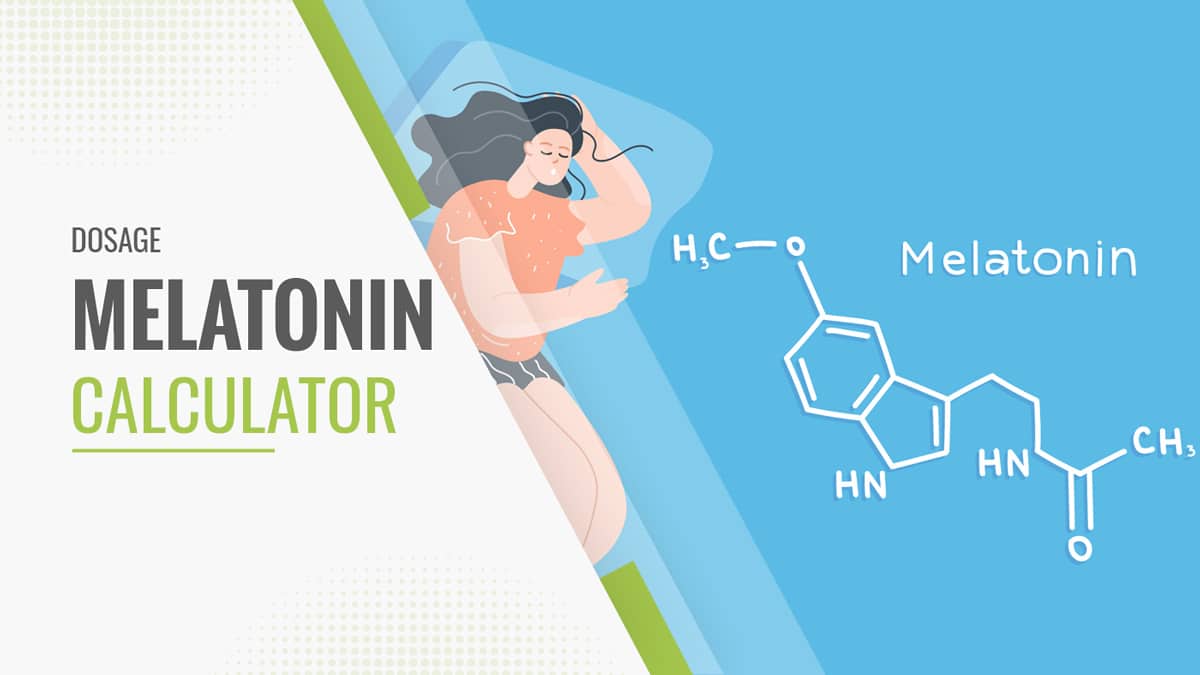
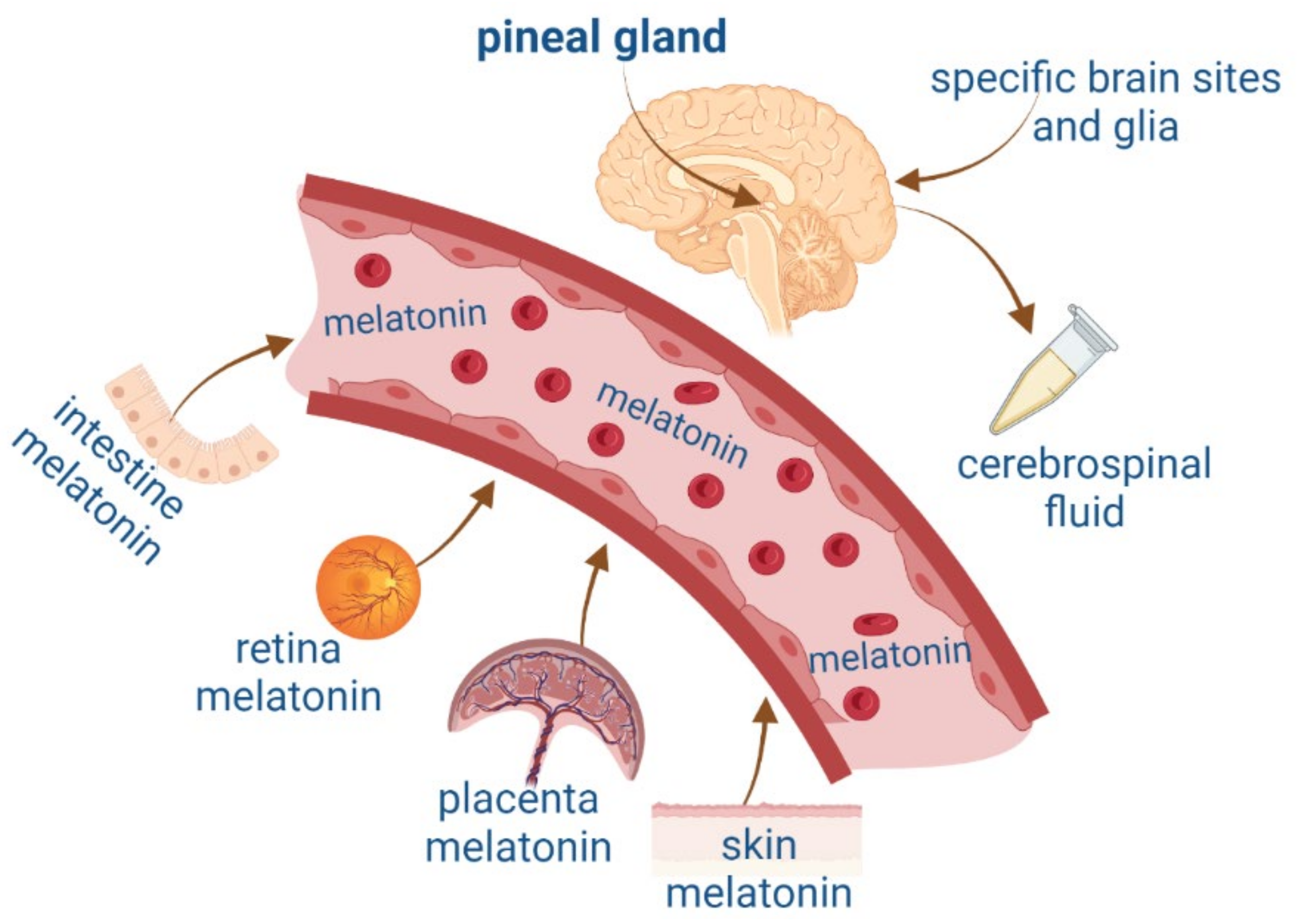
Melatonin is a hormone that regulates our sleep-wake cycles. Produced by the pineal gland, it's often referred to as the "sleep hormone." When taken as a supplement, melatonin can help individuals with sleep disorders or those experiencing occasional sleep issues. However, experts recommend against mixing alcohol with melatonin supplements, as it can lead to negative side effects.
The Effects of Alcohol on Sleep
Alcohol may seem like a sleep aid, but it's actually a sleep disruptor. While it may help you fall asleep faster, it can also reduce the quality of your sleep and lead to fragmented rest. This is because alcohol suppresses the production of melatonin and other sleep-regulating hormones, making it harder to stay asleep and enter deeper stages of sleep.
The Risks of Combining Melatonin and Alcohol
Mixing melatonin and alcohol can amplify side effects like dizziness, drowsiness, and disorientation. These effects can be particularly concerning when it comes to driving or operating heavy machinery. In fact, even low-level combinations of melatonin and alcohol can lead to hangover symptoms like dehydration, muscle pain, and headaches.
Drug Interactions and Melatonin
Melatonin interacts with certain medications, including blood thinners, diabetes medications, and sedatives. Alcohol may exacerbate these interactions, making the medicine less effective or even counterproductive. As with any medication, it's essential to discuss your melatonin supplement with your doctor, especially if you're taking other medications or drinking occasionally.

The Impact on Insomnia
While melatonin is a great sleep supplement for individuals with occasional sleep issues, those suffering from insomnia may require prescription medications to experience relief. Combining melatonin with alcohol can further exacerbate insomnia symptoms, making it more challenging to manage the condition.
Melatonin Side Effects
Melatonin is generally considered safe when taken in recommended doses. However, it's essential to be aware of potential side effects, such as:
- Dizziness
- Drowsiness
- Headaches
- Nausea
- Allergic reactions
Accidentally Taking Melatonin After Drinking
If you've accidentally taken melatonin after drinking, wait at least 2-3 hours before driving or operating heavy machinery. Monitor your symptoms, and if they persist, consult your doctor for further guidance. In the meantime, prioritize hydration and rest to help alleviate any side effects.
Conclusion
Melatonin and occasional drinking may seem like a harmless combination, but the risks are real. By understanding the complex relationship between melatonin, alcohol, and sleep, you can make informed decisions about your sleep health. Always prioritize your safety and consult with your doctor if you're unsure about combining melatonin with other medications or substances.
:max_bytes(150000):strip_icc()/Melatonin-side-effects-7068990_txt_final-29e3d836062d4aed9a5fdaff03dfdc61.png "Melatonin and Alcohol: Is It Safe to Mix Them? - HealthCentral")