Is it Safe to Mix Ibuprofen and Tylenol and Benadryl?
When it comes to managing pain, allergies, and fever, it's not uncommon for individuals to reach for over-the-counter medications like ibuprofen, Tylenol, and Benadryl. However, before combining these medications, it's essential to understand potential interactions and take necessary precautions.
Understanding the Medications
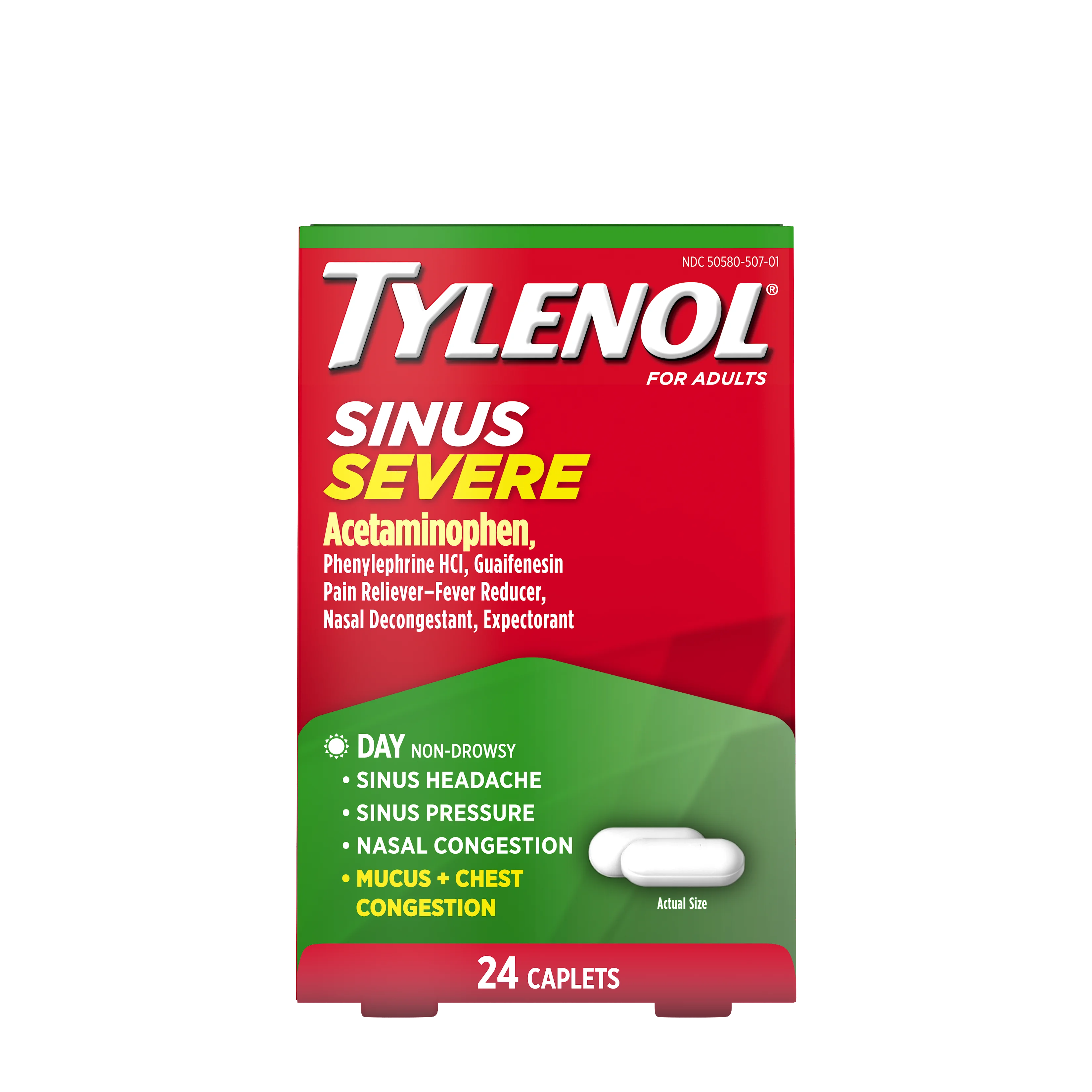
Ibuprofen, sold under the brand name Advil or Motrin, is a nonsteroidal anti-inflammatory drug (NSAID) that helps relieve inflammation, swelling, and pain. Tylenol, containing acetaminophen, is a pain reliever and fever reducer. Benadryl, or diphenhydramine, is an antihistamine used to treat allergy symptoms, itching, and skin rashes.
Combining Ibuprofen and Tylenol
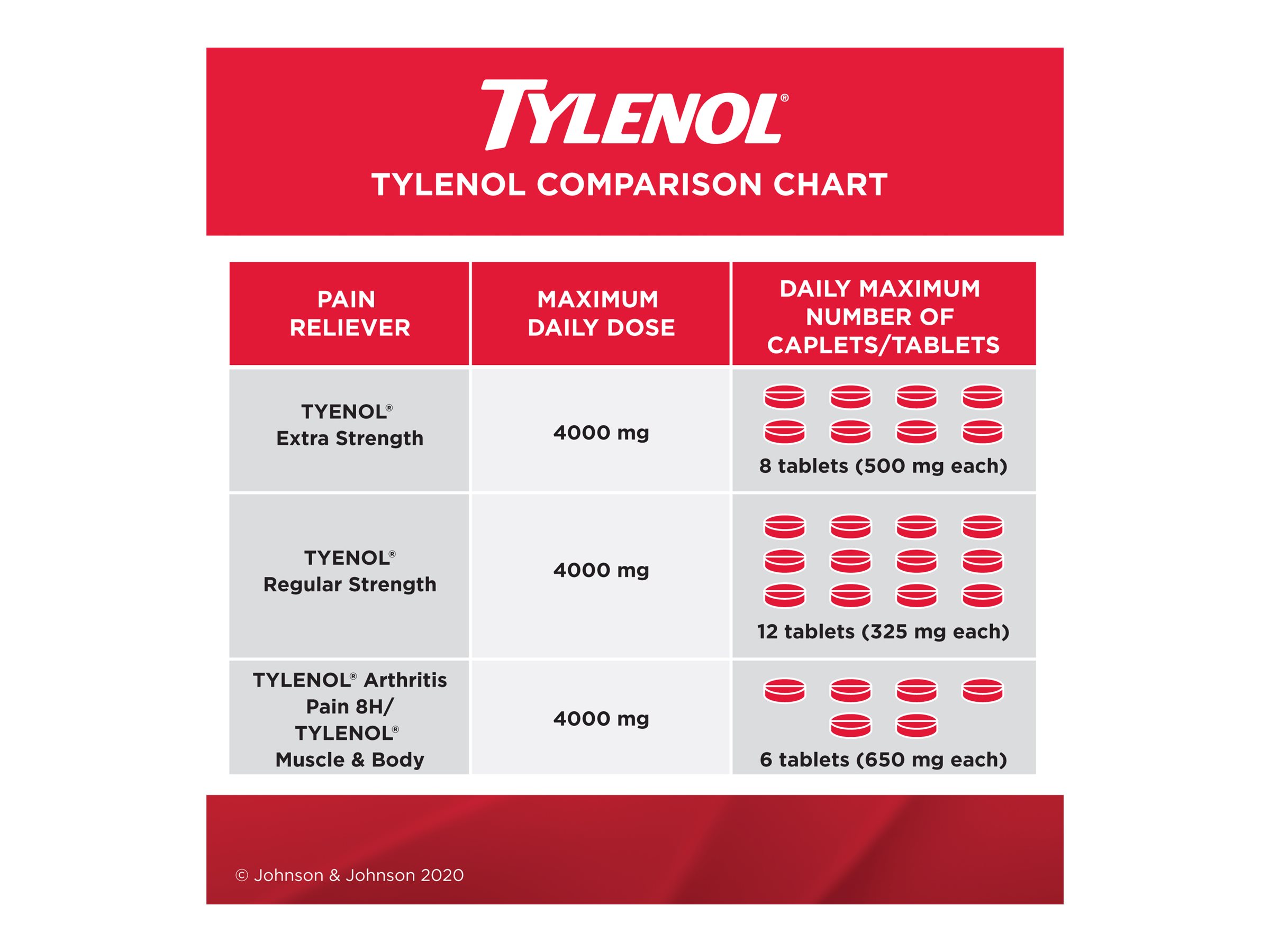
Combining ibuprofen and Tylenol for acute pain management is generally considered safe if taken at the correct doses, spaced properly, and under a doctor's guidance. However, it's essential to note that taking high doses of both medications can increase the risk of stomach problems, liver damage, and other side effects.
Combining Ibuprofen and Benadryl
Benadryl and ibuprofen serve different purposes, but their effects can complement each other. However, long-term use of these medications together can increase the risk of certain side effects, such as constipation, upset stomach, and dizziness. It's crucial to consult with a healthcare professional before taking these medications together, especially if you have sensitive stomachs or allergies.
Combining Tylenol and Benadryl
Tylenol and Benadryl do not show any significant interaction with each other. However, it's essential to consider the potential risks of taking multiple medications, especially if you have pre-existing medical conditions or take other medications.
Important Considerations
-
Follow the recommended dosage instructions for each medication.
-
Take medications at different times of the day to avoid overlapping side effects.
-
Monitor your body's response to the medications, and consult with a healthcare professional if you experience any adverse effects.
-
Avoid taking high doses of multiple medications, as this can increase the risk of side effects and interactions.
-
Inform your healthcare professional about any pre-existing medical conditions, allergies, or medications you're currently taking.
Alternatives and Precautions
When it comes to managing pain, allergies, and fever, consider the following alternatives and precautions:
-
Use acetaminophen (Tylenol) as a primary pain reliever and fever reducer.
-
Avoid using ibuprofen and acetaminophen together if you have liver disease or take other medications that can cause liver damage.
-
Consider using diphenhydramine (Benadryl) for short-term use only, as long-term use can lead to side effects and interactions.
-
Be cautious when taking Benadryl with other medications, especially those containing alcohol, sleeping medications, or benzodiazepines.
Conclusion
Combining ibuprofen and Tylenol, or Tylenol and Benadryl, can be generally considered safe if taken at the correct doses and under a doctor's guidance. However, it's essential to consider the potential risks and interactions of taking multiple medications. Always follow recommended dosage instructions, take medications at different times, and consult with a healthcare professional if you experience any adverse effects.