Honey and Pregnancy Complications: Separating Fact from Fiction
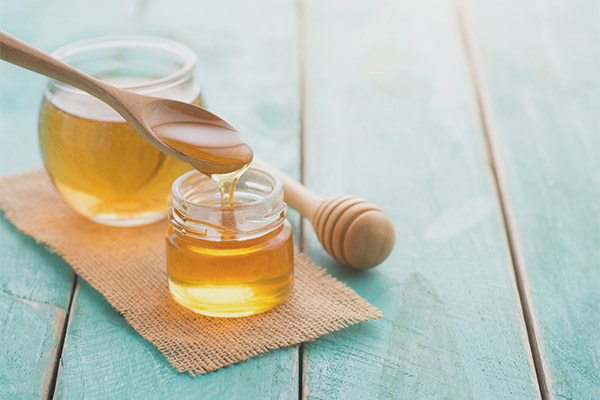
Pregnancy is a vulnerable time for a woman's body, and with it comes a multitude of questions and concerns about nutrition and dietary choices. One common query that arises during this period is whether it is safe to consume honey during pregnancy. In this article, we will delve into the benefits and risks associated with honey consumption during pregnancy and provide guidance on safe and responsible usage.The Benefits of Honey during Pregnancy
Honey has been used for centuries as a natural sweetener and health elixir. During pregnancy, it can offer several benefits, including:- Antioxidant properties: Honey contains antioxidants that can help soothe a sore throat, aid digestion, and support the immune system.
- Energy booster: Honey is a natural source of carbohydrates, making it an excellent energy booster for expectant mothers.
- Soothing benefits: Honey's sweetness can help alleviate nausea and digestive issues that are common during pregnancy.
The Risks of Honey during Pregnancy
While honey can be beneficial, there are some potential risks associated with its consumption during pregnancy. These include:- Botulism risk: Raw or unpasteurized honey can contain Clostridium botulinum bacteria, which can cause botulism in infants and young children.
- High sugar content: Honey is high in sugar, which can be a concern for pregnant women with gestational diabetes.
- Allergies: Some women may be allergic to honey, which can cause symptoms such as hives, itching, and difficulty breathing.

Is Pasteurized Honey Safe during Pregnancy?
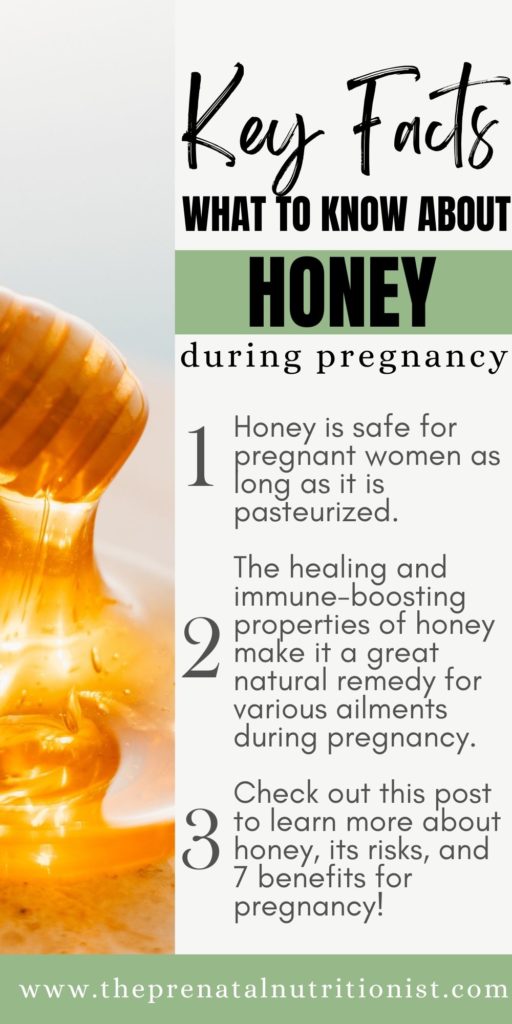
Pastuerized honey is considered safe for consumption during pregnancy. Pasteurization involves heating the honey to a temperature that kills off any potential bacteria, making it a safer option for pregnant women.Safe Consumption of Honey during Pregnancy
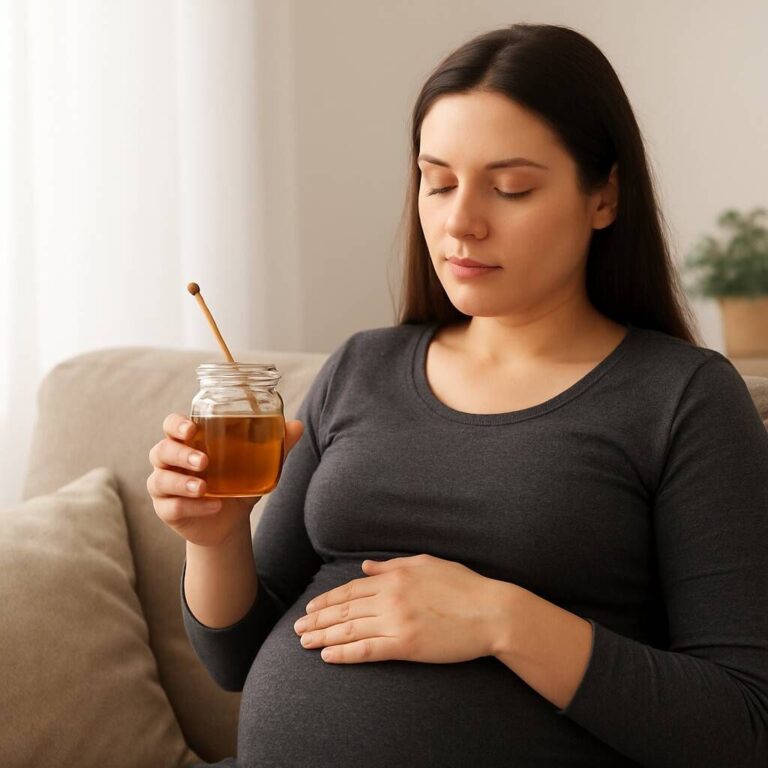
To enjoy the benefits of honey during pregnancy while minimizing the risks, follow these guidelines:- Consume pasteurized honey only.
- Limit consumption to 1-2 teaspoons per day.
- Monitor your blood sugar levels, especially if you have gestational diabetes.
- Avoid consuming raw or unpasteurized honey.
- Be aware of any allergic reactions.