Factors Affecting Fast Fertility: Understanding the Complexities of Reproductive Health
When it comes to fertility, there are numerous factors that can impact an individual's ability to conceive. Whether you're trying to conceive naturally or considering assisted reproductive technology, understanding the factors that affect fast fertility is crucial for making informed decisions.
Biological Factors: The Foundation of Fertility
The biological foundation of fertility is influenced by a range of factors, including age, hormone balance, ovulation quality, and sperm health. Female age, in particular, is a significant factor affecting fertility, as women are born with all the eggs they will ever have, and the number of eggs available decreases with age. In young women, the decline is gradual, but as women approach their mid to late 30s, the decrease gets much steeper.
Hormone Balance and Ovulation Quality
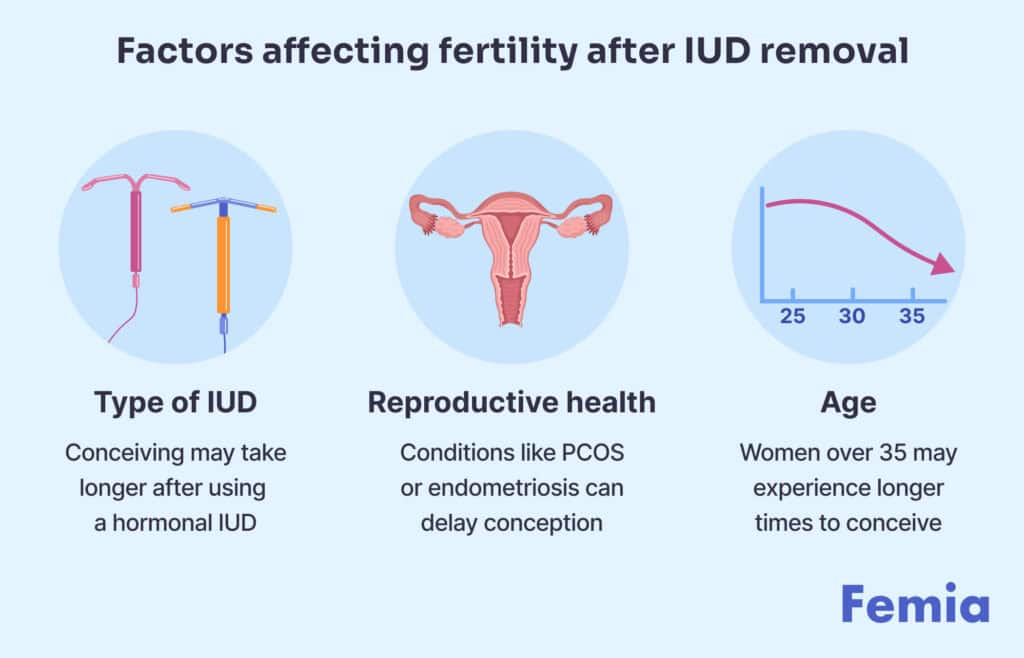
Other biological factors that can impact fertility include hormone-related conditions, such as polycystic ovary syndrome (PCOS), high prolactin hormone levels, and thyroid conditions. These conditions can affect egg release and hormone balance, making it more challenging for women to conceive.
Physiological Factors: Lifestyle and Environmental Influences
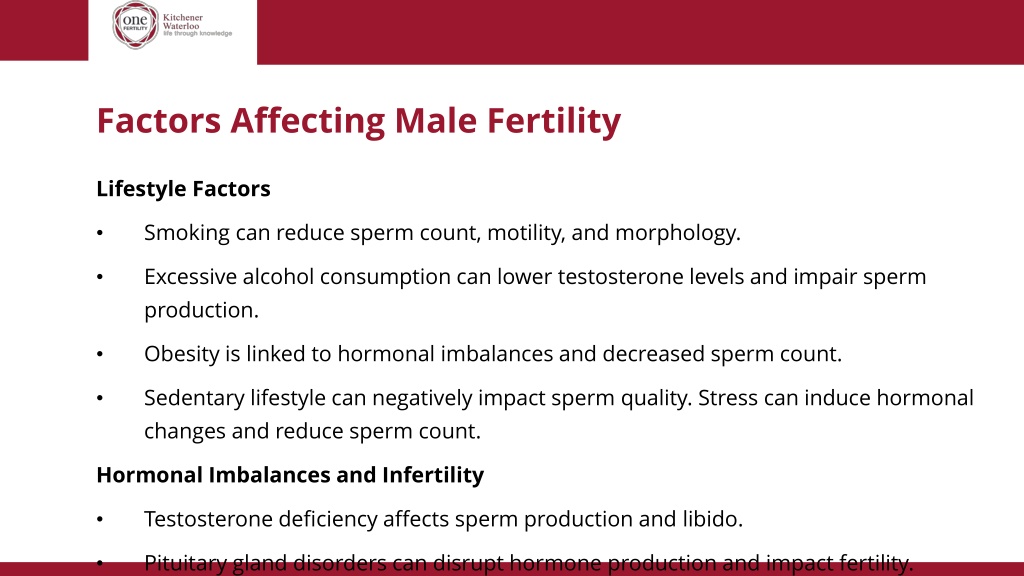
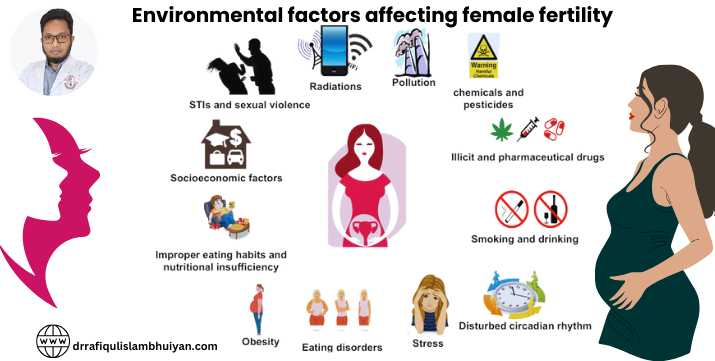
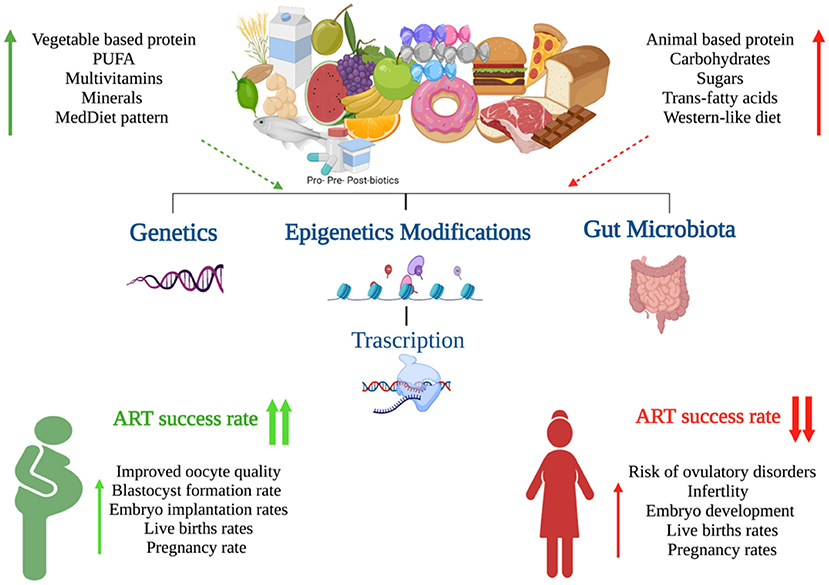
Physiological factors, such as lifestyle and environmental influences, can also impact fertility. For example, stress, diet, smoking, and alcohol consumption can all affect fertility. Stress can impact hormone balance, while a poor diet can lead to nutrient deficiencies that impact reproductive health. Smoking and alcohol consumption can damage sperm and egg quality, making it more challenging to conceive.
Lifestyle Choices and Environmental Factors
Stress: High levels of stress can impact hormone balance and ovulation quality.
Diet: A poor diet can lead to nutrient deficiencies that impact reproductive health.
Smoking and Alcohol Consumption: Both can damage sperm and egg quality.
Environmental Factors: Exposure to certain chemicals and toxins can impact fertility.
Genetic Factors: The Inheritance of Fertility Traits
Genetic factors can also impact fertility, particularly in women. Genetic traits can influence egg quality, ovulation, and reproductive health, making it more challenging to conceive. In men, genetic factors can impact sperm quality, increasing the risk of infertility.
Genetic Traits and Fertility
Genetic traits can influence egg quality and ovulation.
Genetic traits can impact sperm quality and fertility in men.
Social and Economic Factors: The Impact of Culture and Resources
Social and economic factors, such as culture and resources, can also impact fertility. In some cultures, women may face restrictions on their reproductive health, while in others, access to reproductive healthcare may be limited. Economic factors, such as poverty and education level, can also impact fertility, with women from lower-income backgrounds facing greater challenges in conceiving.
Culture, Resources, and Fertility
Culture can impact access to reproductive healthcare and fertility awareness.
Resources, such as income and education level, can impact fertility.
Family Planning and Fertility Awareness
Family planning and fertility awareness are critical components of reproductive health. By understanding the factors that impact fertility, couples can make informed decisions about their reproductive choices. Family planning can involve natural methods, such as fertility awareness, or assisted reproductive technologies, such as in vitro fertilization (IVF).
Fertility Awareness and Family Planning
Fertility awareness is a critical component of reproductive health.
Family planning can involve natural methods or assisted reproductive technologies.
Conclusion: Understanding Factors Affecting Fast Fertility
Factors affecting fast fertility are complex and multifaceted. By understanding the biological, physiological, genetic, social, and economic factors that impact fertility, couples can make informed decisions about their reproductive health. Family planning and fertility awareness are critical components of reproductive health, and by embracing these principles, couples can take control of their reproductive choices and achieve their goals.
Bibliography
American Society for Reproductive Medicine (ASRM). (2020). Understanding Fertility.
Centers for Disease Control and Prevention (CDC). (2022). Reproductive Health.
Harvard T.H. Chan School of Public Health. (2020). Fertility and Reproductive Health.