Overcoming the Dark Side of the Internet: Understanding Internet Addiction Therapy
Internet addiction has become an increasingly prevalent issue in today's digital age. As more and more people spend excessive amounts of time online, it's essential to recognize the warning signs and take proactive steps towards recovery. In this comprehensive review, we'll delve into the world of internet addiction therapy, exploring its clinical interventions, modalities, and evidence-based treatments.
The Signs and Symptoms of Internet Addiction
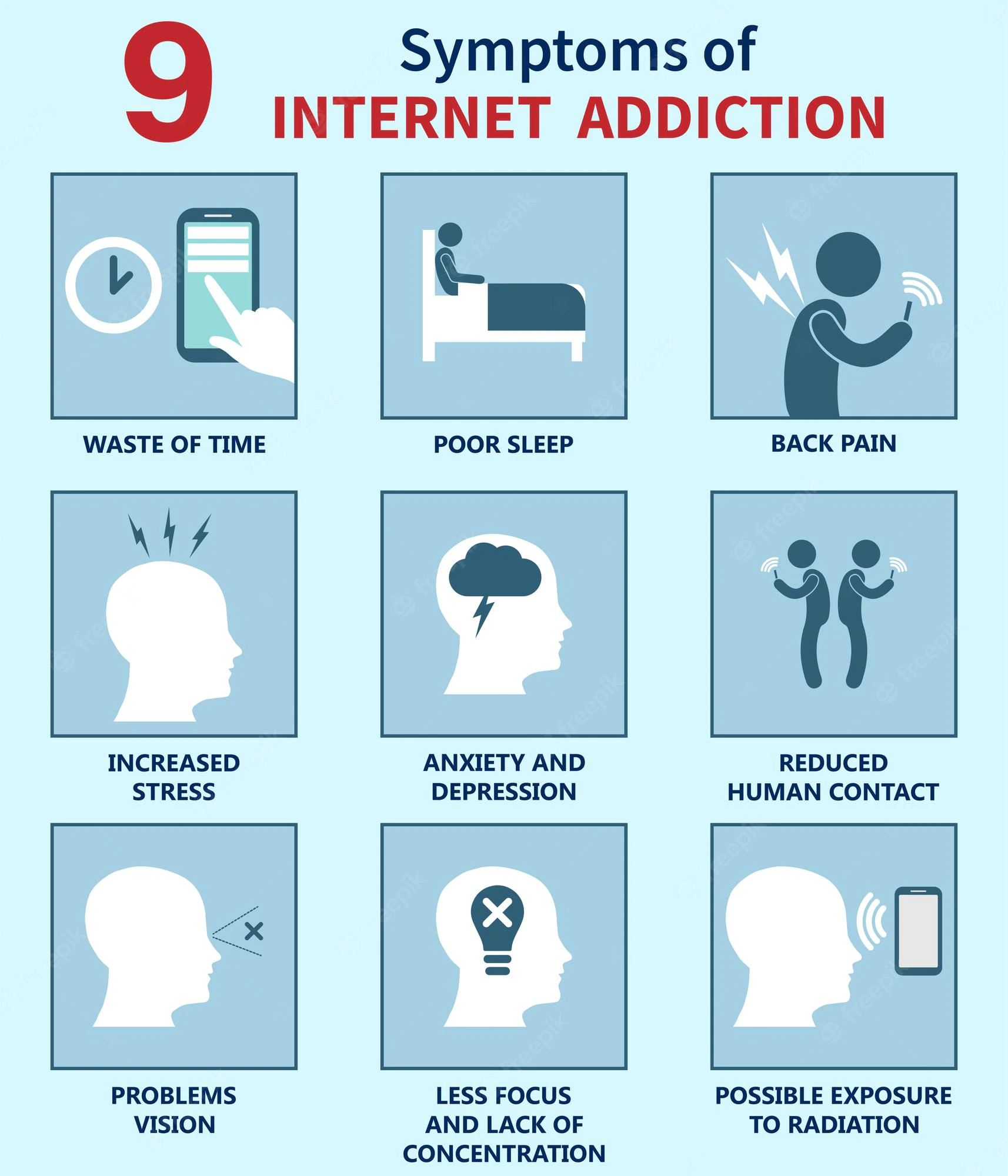
Internet addiction disrupts daily life, affecting relationships, productivity, and overall well-being. Common signs and symptoms include:
- Excessive internet use, often to the point of neglecting responsibilities and relationships
- Feelings of guilt, anxiety, or shame when attempting to cut down or control internet use
- Loss of control over internet use, despite attempts to stop or reduce it
- Social isolation, withdrawal from friends and family, and decreased participation in activities
- Decreased productivity, poor academic or work performance
The Causes of Internet Addiction
Internet addiction is often linked to underlying mental health issues, such as anxiety, depression, and attention deficit hyperactivity disorder (ADHD). Other contributing factors include:
- Genetic predisposition
- Brain chemistry imbalances
- Environmental factors, such as exposure to screens and social media from a young age
- Learned behaviors, such as escapism or social networking
Internet Addiction Therapy: A Comprehensive Approach
Effective internet addiction therapy should address both the physical and psychological aspects of addiction. A comprehensive treatment plan may include:
- Cognitive-behavioral therapy (CBT) to identify and challenge negative thought patterns and behaviors
- Dialectical behavior therapy (DBT) to manage emotions and develop coping skills
- Family therapy to involve loved ones in the recovery process
- Individual therapy to address underlying mental health issues and develop healthy coping mechanisms
- Support groups to connect with others who share similar experiences
Medications for Internet Addiction

While there are no FDA-approved medications specifically for internet addiction, certain medications may be effective in treating underlying mental health issues, such as depression or anxiety. These may include:
- Antidepressants, such as selective serotonin reuptake inhibitors (SSRIs)
- Mood stabilizers, such as lithium or valproate
- Anxiolytics, such as benzodiazepines or buspirone
Recovery from Internet Addiction
Recovery from internet addiction requires a long-term commitment to change. It involves developing a healthy relationship with technology, establishing boundaries, and engaging in activities that promote physical and mental well-being. A supportive therapist, healthcare provider, or support group can be invaluable in sustaining recovery.
Conclusion
Internet addiction therapy is a comprehensive and evidence-based approach to managing internet addiction. By understanding its signs, symptoms, and causes, individuals can take proactive steps towards recovery. With the right treatment plan and support, it's possible to overcome internet addiction and restore balance to one's life.
Find Help for Internet Addiction
Looking for a therapist, counselor, or treatment center that specializes in internet addiction? Our directory features a comprehensive list of professionals and centers that can provide effective treatment. Take the first step towards recovery today!
Additional Resources
For more information on internet addiction and therapy, we recommend the following resources: