How to Protect the Environment: Simple Steps for a Sustainable Future
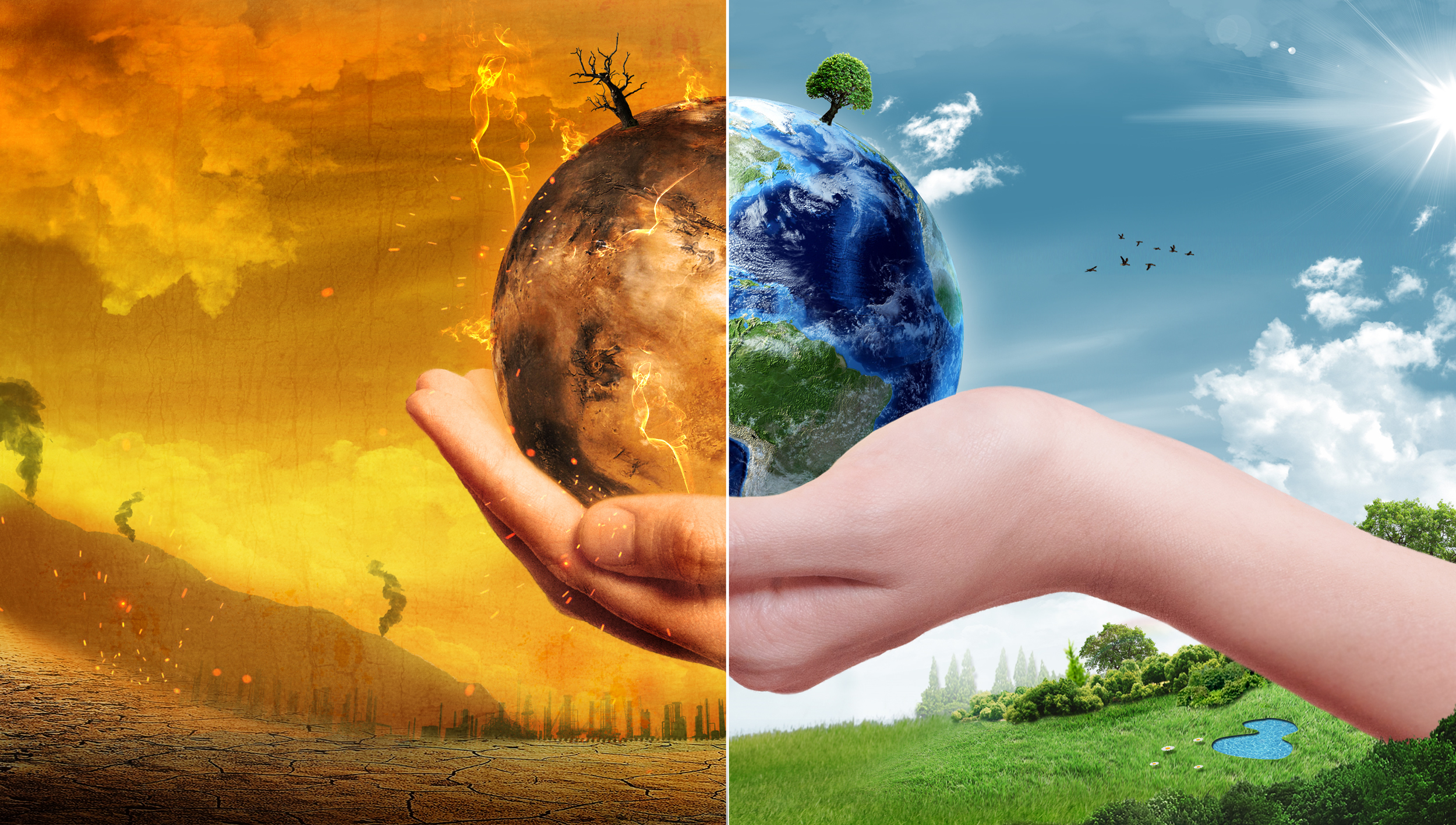
The state of our environment is a pressing concern that affects not only our planet but also our health, economy, and quality of life. Environmental degradation can have far-reaching consequences, from climate change and biodiversity loss to air and water pollution. However, by making conscious choices and taking small steps, we can protect the environment and create a more sustainable future for ourselves and generations to come.
Reduce, Reuse, Recycle
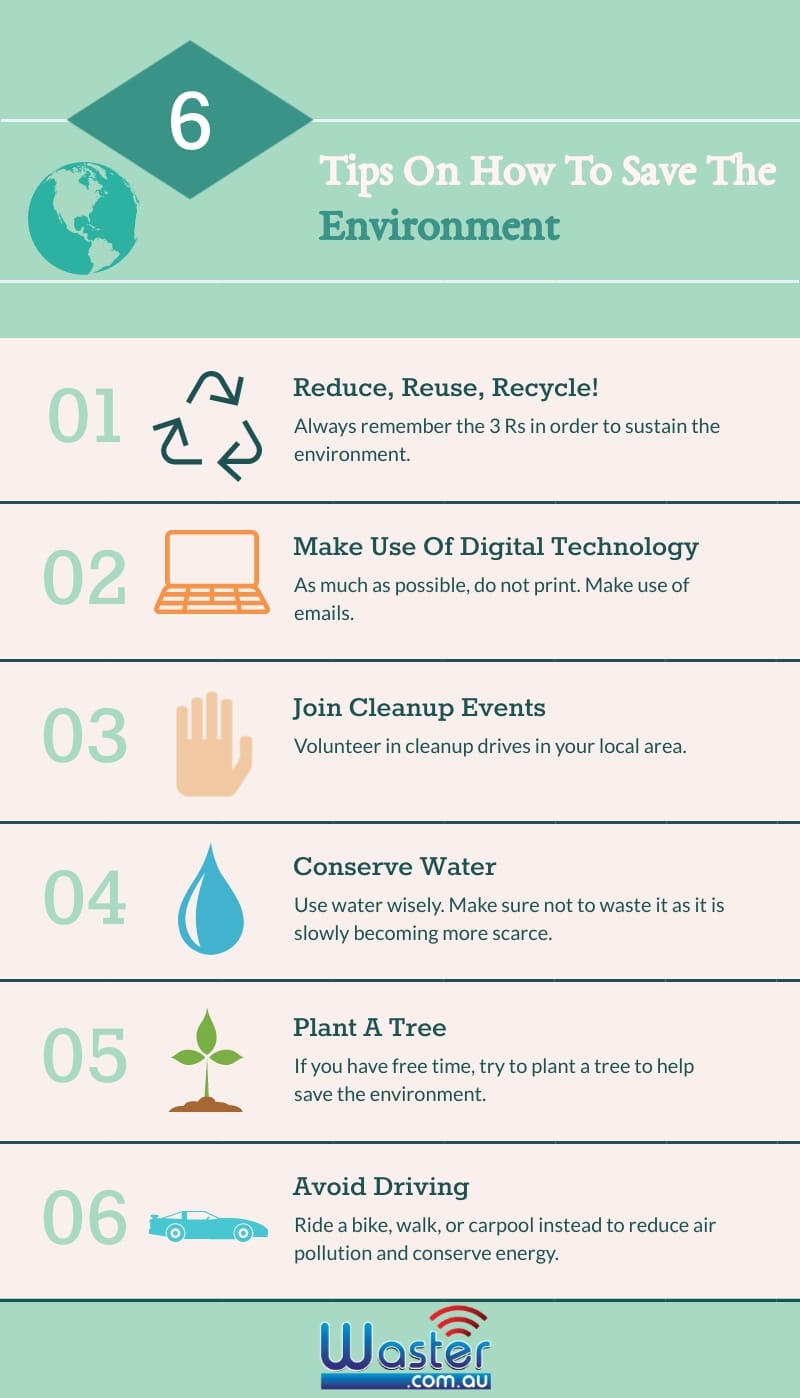
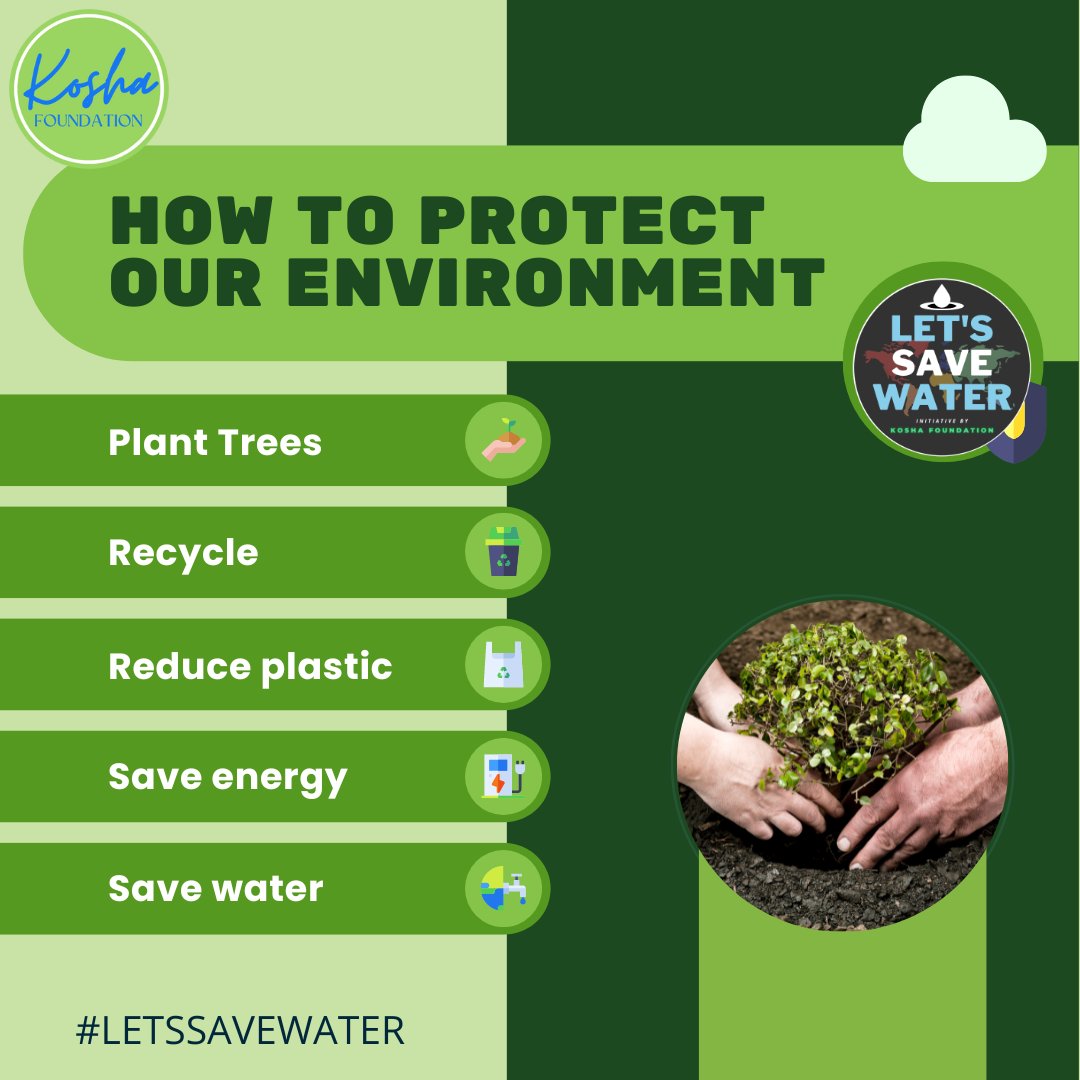
One of the simplest ways to protect the environment is by reducing, reusing, and recycling. These three Rs can make a significant impact when practiced consistently. Reduce your consumption of single-use plastics, reuse bags and containers, and recycle as much as possible. By reducing waste, we can conserve natural resources, decrease pollution, and mitigate climate change.
- Reduce your energy consumption by using energy-efficient appliances and turning off lights, electronics, and taps when not in use.
- Reuse bags, containers, and other items to reduce the demand for single-use plastics.
- Recycle paper, plastic, glass, and metal to conserve natural resources and reduce landfill waste.
Conserve Water
Water is a precious resource that's essential for life, and conserving it is crucial for protecting the environment. Take shorter showers, fix leaks, and use water-efficient appliances to reduce your water usage.
- Take 5-minute showers or less to conserve water.
- Fix leaks promptly to prevent water waste.
- Use low-flow showerheads and toilets to reduce water consumption.
Choose Sustainable Transportation
Transportation is a significant contributor to greenhouse gas emissions and air pollution. By choosing sustainable transportation options, we can reduce our carbon footprint and protect the environment.
- Walk, bike, or carpool when possible to reduce emissions and air pollution.
- Use public transportation or ride-sharing services to decrease reliance on personal vehicles.
- Consider purchasing an electric or hybrid vehicle for personal transportation.
Save Energy
Energy consumption contributes to greenhouse gas emissions and air pollution, making it essential to reduce energy usage. Simple actions like turning off lights, electronics, and taps can make a significant impact.
- Turn off lights, electronics, and taps when not in use to conserve energy.
- Use energy-efficient appliances and lighting to reduce energy consumption.
- Insulate your home to reduce heat loss and conserve energy.
Eat Less Meat and Compost Food Scraps
Animal agriculture is a significant contributor to greenhouse gas emissions and deforestation. By reducing meat consumption and composting food scraps, we can reduce our environmental impact.
- Choose plant-based meals or reduce meat consumption to decrease greenhouse gas emissions.
- Compost food scraps to reduce waste and create nutrient-rich soil.
Avoid Single-Use Plastics and Buy Local
Single-use plastics contribute to pollution and waste, making it essential to reduce their use. By avoiding single-use plastics and buying local products, we can support sustainable practices and reduce our environmental impact.
- Avoid single-use plastics like bags, straws, and water bottles.
- Buy local products to reduce transportation emissions and support local economies.
- Support organizations that promote sustainable practices and protect the environment.
Support Sustainable Businesses and Enact Environmental Laws
Supporting sustainable businesses and enacting environmental laws can make a significant impact in protecting the environment. Look for companies that prioritize sustainability and support organizations that promote environmental conservation.
- Research companies that prioritize sustainability and support their work.
-
Enact environmental laws and policies that protect the environment and promote sustainable practices.
Get Involved in Environmental Protection
Finally, getting involved in environmental protection is essential for creating a sustainable future. Participate in local clean-ups, volunteer with environmental organizations, and educate others about the importance of protecting the environment.
-
Participate in local clean-ups and community events that promote environmental conservation.
- Volunteer with environmental organizations to support their work and make a difference.
-
Speak out about environmental issues and educate others about the importance of protecting the environment.