How to Prepare for a Technical Interview: A Comprehensive Guide
A technical interview is a specialized, rigorous process that tests a candidate's coding skills, problem-solving abilities, and personality. In this guide, we'll cover the essential steps to prepare for a technical interview, including the qualities to display, the types of interviews, and the skills to review.Understanding the Technical Interview Process
A technical interview is a critical component of the hiring process, particularly in the software development, engineering, and tech industries. This type of interview assesses a candidate's technical knowledge, skills, and experience in specific domains or technologies related to the job.Develop a Study Plan
To prepare for a technical interview, create a study plan tailored to the specific job you're applying for. Identify the required skills and technologies mentioned in the job description and allocate time to study them. Focus on reviewing company-specific technologies and data structures, algorithms, and problem-solving techniques.Review Fundamentals
Start by reviewing the fundamentals of computer science, including data structures, algorithms, computer systems, and software engineering. Focus on understanding the underlying concepts and see them in practice by working on real-world projects or personal coding challenges.Practice Problem-Solving
Practice coding challenges and problems on platforms such as LeetCode, HackerRank, or Pramp. Solve a variety of problems to improve your coding skills, adaptability, and problem-solving techniques. Practice explaining your solutions to others, as this will help you to communicate complex ideas effectively.Review Relevant Technologies
Familiarize yourself with the specific technologies and programming languages required for the job. Review documentation, tutorials, and coding challenges to deepen your understanding of the subject matter. Practice working with the required tools, frameworks, and libraries.Review System Design
Review system design concepts, including scalability, performance, fault tolerance, and data storage. Understand the trade-offs and constraints of different system design approaches. Practice designing systems for various scenarios, improving your ability to approach complex problems through a system design perspective.Prepare for Behavioral Questions
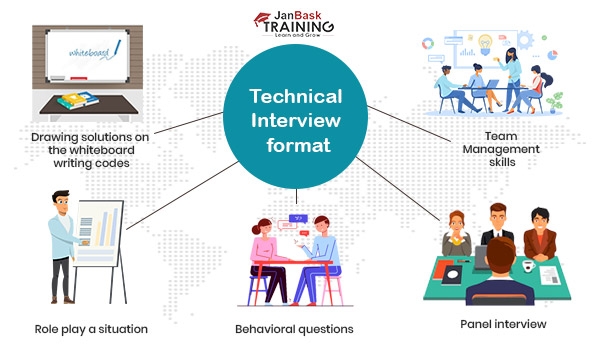
Don't underestimate the importance of behavioral questions. Prepare examples of your past experiences, skills, and achievements, and link them to the job requirements. Use the STAR method ( Situation, Task, Action, Result) to structure your responses and showcase your skills and experiences.Prepare for Data Analyst Interviews

![How to Ace The Technical Interview [A Complete Guide]](https://tallo.com/wp-content/uploads/what-is-a-technical-interview-1.jpg "How to Ace The Technical Interview [A Complete Guide]")