Mobile Phone Dependence: A Growing Concern
Mobile phone dependence is a serious issue that affects millions of people worldwide. With the increasing use of smartphones, people have become more prone to addiction and overdependence on these devices. In this article, we will explore the signs, causes, and effects of mobile phone dependence, as well as strategies for overcoming it.
Signs of Mobile Phone Dependence
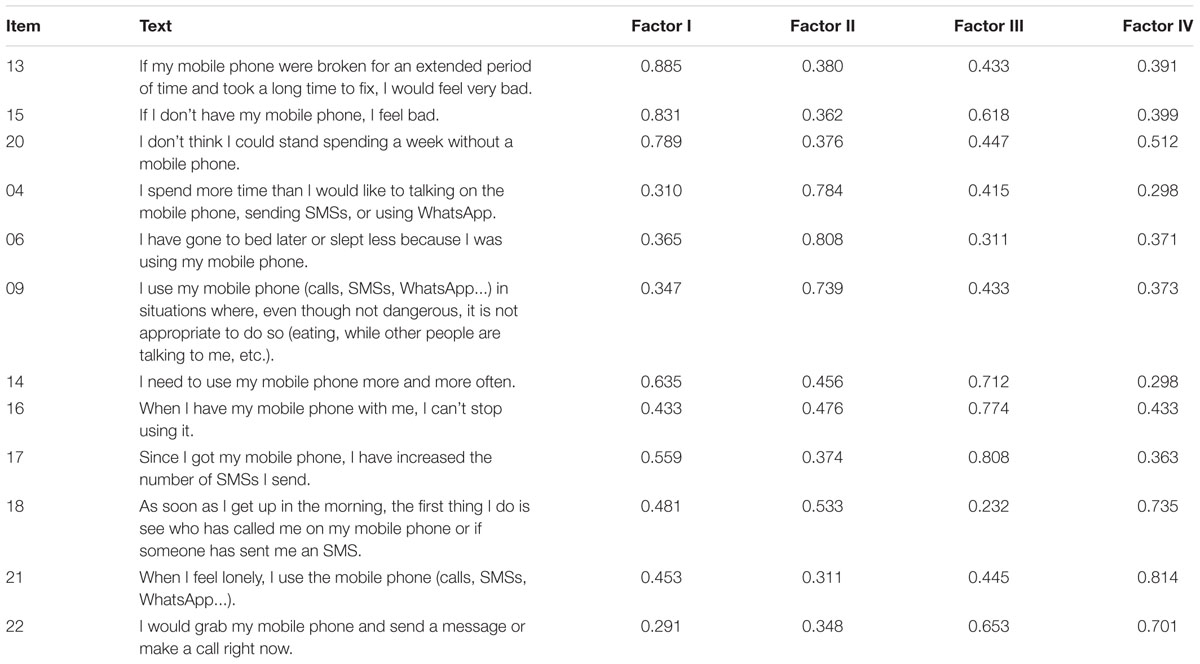
Mobile phone dependence is characterized by excessive and compulsive use of smartphones, despite negative consequences on an individual's life. Some common signs of mobile phone dependence include:
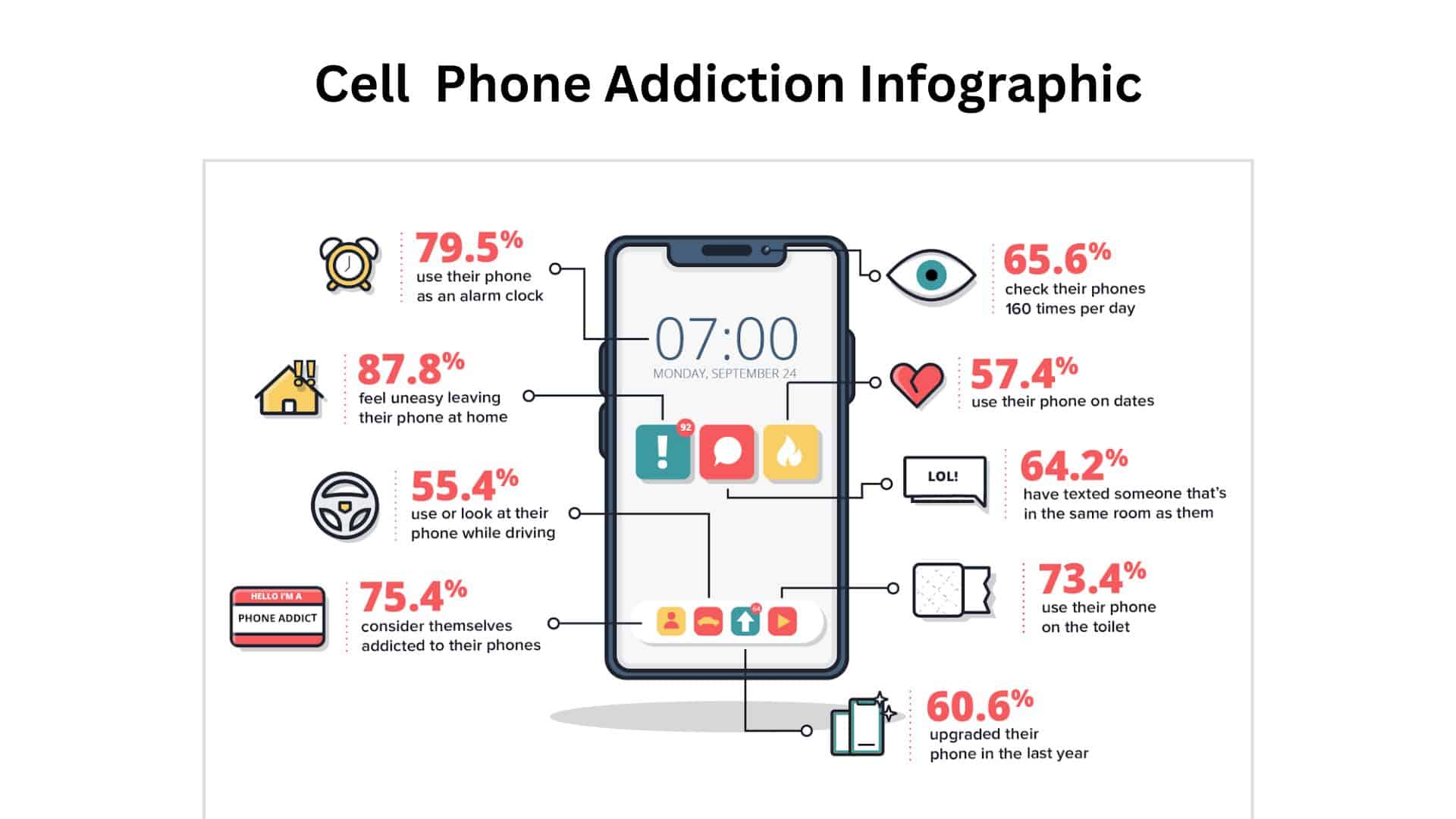
- Excessive use of smartphones, even when it interferes with daily activities or relationships
- Feeling anxious or restless when separated from the phone
- Loss of control over phone use, leading to compulsive behavior
- Prioritizing phone time over real-world interactions
- Using phones as an escape from stress, anxiety, or other negative emotions
Causes of Mobile Phone Dependence
There are several factors that contribute to mobile phone dependence:
- Social media addiction: The constant stream of notifications, likes, and followers can trigger a cycle of addiction, leading to excessive phone use.
- Fear of missing out (FOMO): The fear of missing important messages, emails, or social media updates can drive phone use.
- Stress and anxiety: Phones can become a coping mechanism for stress, anxiety, or other negative emotions.
- Notifications and alerts: The constant stream of notifications can be addictive, triggering a sense of reward and motivation to continue using the phone.
Effects of Mobile Phone Dependence

Mobile phone dependence can have serious effects on mental and physical health, including:
- Depression and anxiety
- Sleep deprivation
- Eye strain and vision problems
- Headaches and fatigue
- Social isolation and decreased face-to-face interactions
Overcoming Mobile Phone Dependence
Breaking free from mobile phone dependence requires a combination of self-awareness, discipline, and strategies for managing phone use. Some effective strategies include:
- Setting boundaries and limits on phone use
- Implementing screen-free zones and times
- Using phone-tracking apps or tools to monitor and limit usage
- Engaging in physical activities or hobbies
- Practicing mindfulness and meditation to reduce stress and anxiety
Conclusion
Mobile phone dependence is a growing concern that affects individuals of all ages. By understanding the signs, causes, and effects of mobile phone dependence, we can take steps to break the cycle of addiction and develop healthier relationships with our phones. By implementing strategies for managing phone use, we can reduce the risk of negative consequences and promote overall well-being.