How to Overcome Phone Obsession: Breaking Free from the Grip of Your Smartphone
Are you struggling to put down your phone? Do you feel a sense of anxiety or restlessness when you're not constantly connected to your device? You're not alone. Phone obsession is a growing concern that affects millions of people worldwide, leading to decreased productivity, hindered relationships, and a negative impact on mental and physical health.
The Signs and Symptoms of Phone Obsession
Phone obsession, also known as phone addiction, is characterized by an excessive and compulsive use of mobile phones, despite the negative consequences it may have on daily life. Some common signs and symptoms of phone obsession include:
- Spending more than 4-6 hours per day on your phone
- Feeling anxious or restless when you're not able to check your phone
- Using your phone as a coping mechanism for stress, anxiety, or other emotions
- Experiencing decreased productivity and performance due to phone use
- Struggling to disconnect from your phone, even in social situations
The Causes of Phone Obsession
So, what drives phone obsession? There are several factors at play, including:
- Social media and the desire for constant validation
- The need for instant gratification and entertainment
- The fear of missing out (FOMO) and the desire to stay connected
- The pressure to be constantly available and responsive
- The lack of self-regulation and impulse control
Breaking the Cycle of Phone Obsession
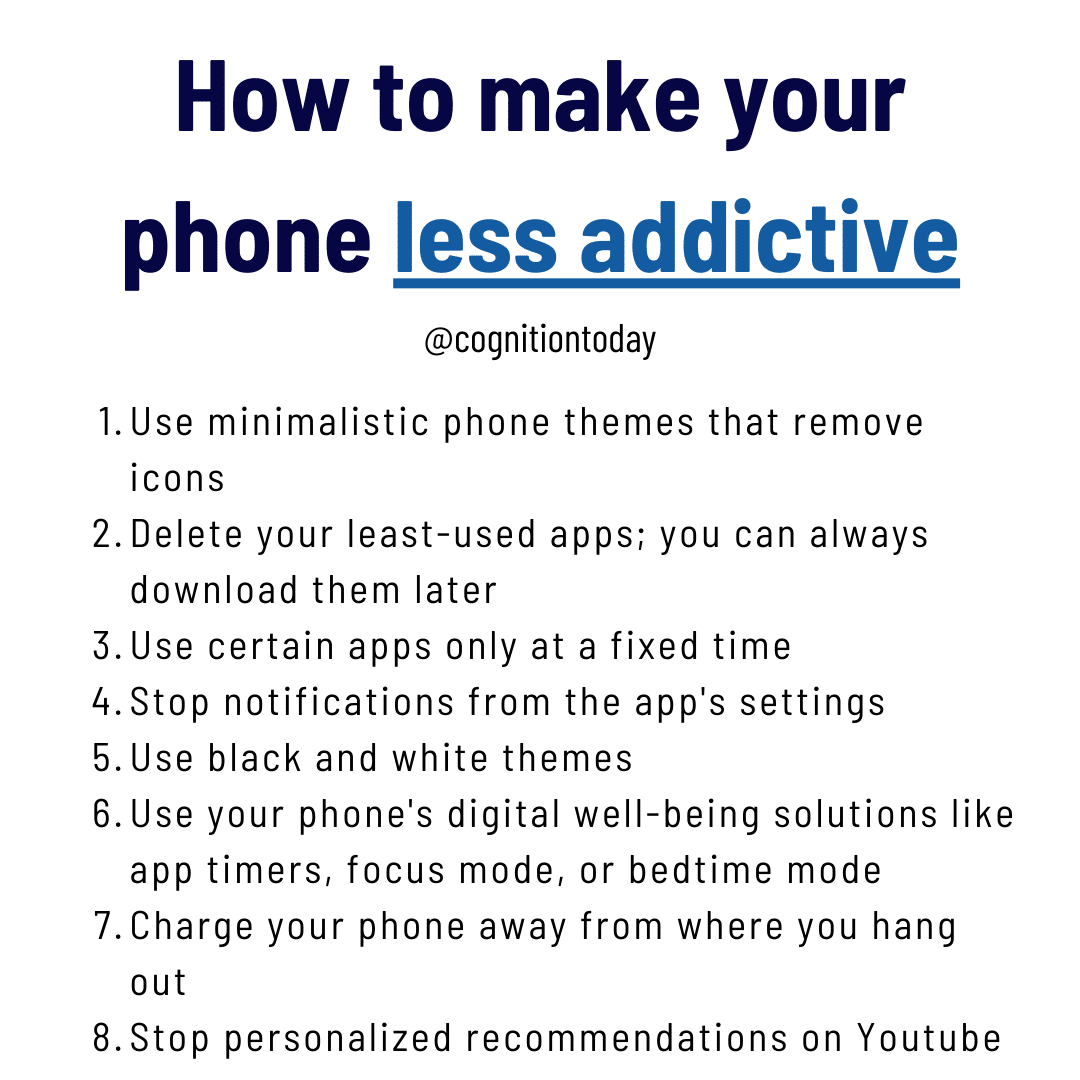
Overcoming phone obsession requires a combination of awareness, self-regulation, and strategy. Here are some practical tips to help you break the cycle:
1. Set Boundaries and Goals
Establish phone-free zones and times, such as during meals or an hour before bed. Set specific goals for reducing your phone use, and track your progress.
2. Use Technology to Your Advantage
Install apps that track and limit your phone use, such as Freedom or SelfControl. Use features like grayscale mode or Do Not Disturb to reduce distractions.
3. Find Alternative Coping Mechanisms
Engage in activities that bring you joy and fulfillment, such as exercise, reading, or spending time with loved ones. Practice mindfulness and meditation to reduce stress and anxiety.
4. Seek Support and Accountability
Share your struggles with a trusted friend or family member and ask for their support. Join a phone addiction support group or seek the help of a therapist.
Conclusion
Overcoming phone obsession takes time, effort, and commitment. By understanding the signs, symptoms, and causes of phone addiction, and implementing practical strategies for change, you can break free from the grip of your smartphone and regain control over your life.
Additional Resources
For more information and support, check out the following resources:
- Kiwi Recovery: A comprehensive treatment plan for phone addiction
- NIDA: National Institute on Drug Abuse, providing research and information on phone addiction
- Social Life Magazine: Articles and tips on overcoming addiction and reclaiming your life
By taking the first step towards change, you can overcome phone obsession and live a healthier, more balanced life.