How to Not Fall for Phishing: A Comprehensive Guide
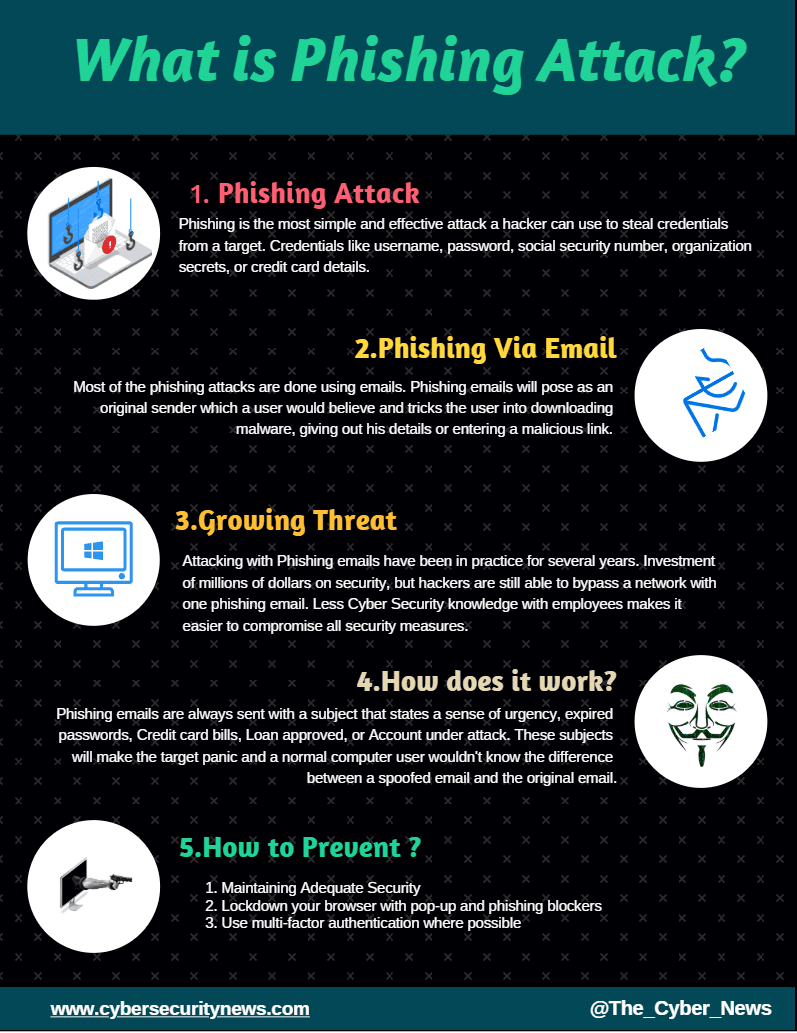
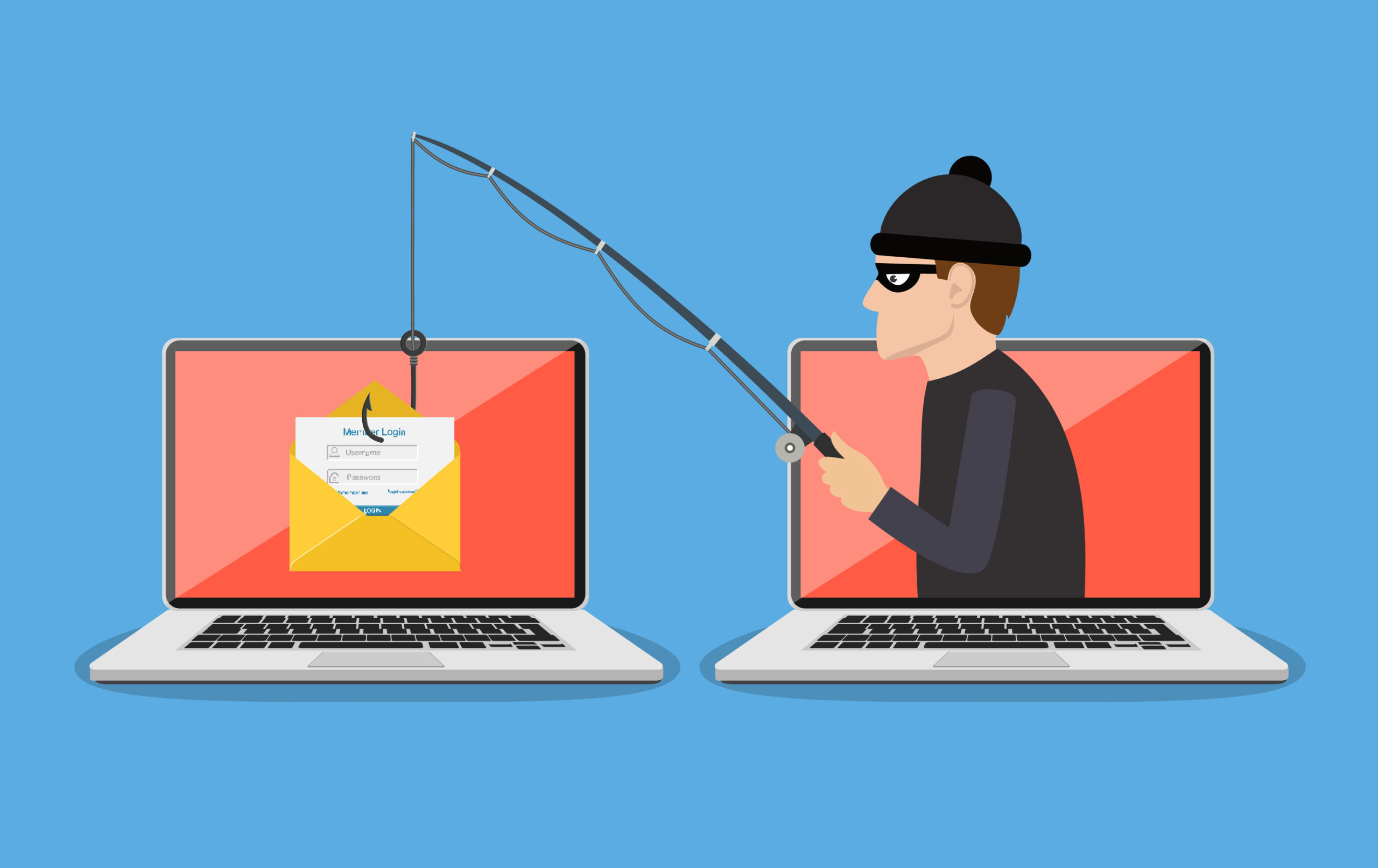
Phishing is a type of cyberattack where attackers trick victims into disclosing sensitive information, such as passwords, account numbers, or Social Security numbers. As a result, it's essential to know how to not fall for phishing to protect yourself from identity theft and financial loss.
Understanding Phishing Scams
Phishing scammers use email or text messages to trick their victims into revealing sensitive information. They may impersonate reputable companies, friends, or acquaintances to gain trust. The goal is to get the person to click on a link, download a malicious file, or reveal personal information.
Types of Phishing Attacks
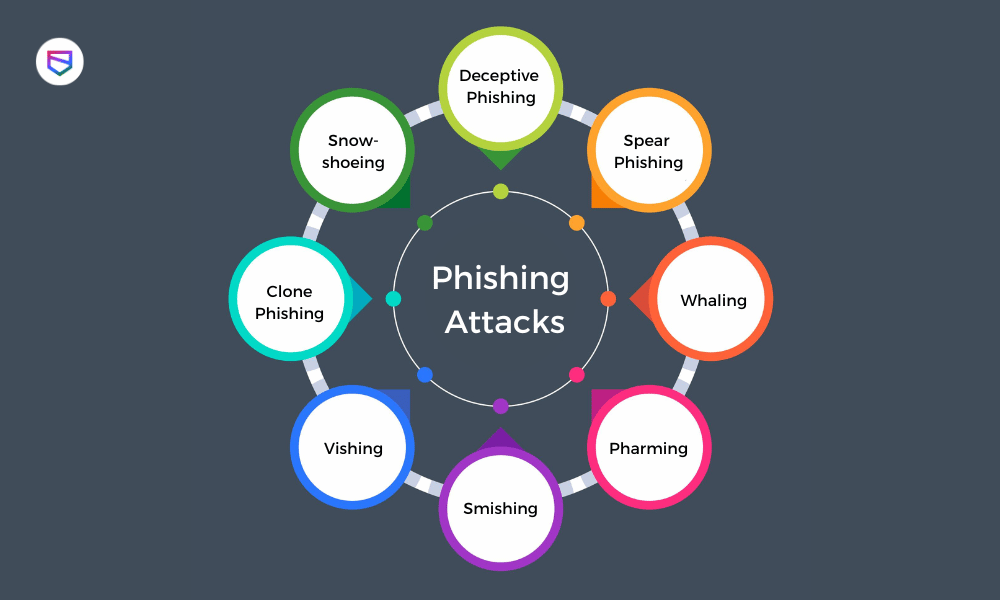
- Whaling: This type of phishing targets high-value individuals, such as executives, finance officers, or business owners.
- Smishing: This is phishing via text messages, which can be just as effective as email phishing.
- Spear Phishing: This targets specific individuals or companies, making it a more tailored and convincing attack.
How to Identify Phishing Emails or Texts
Recognizing a phishing attempt is crucial in preventing identity theft or financial loss. Look out for the following warning signs:
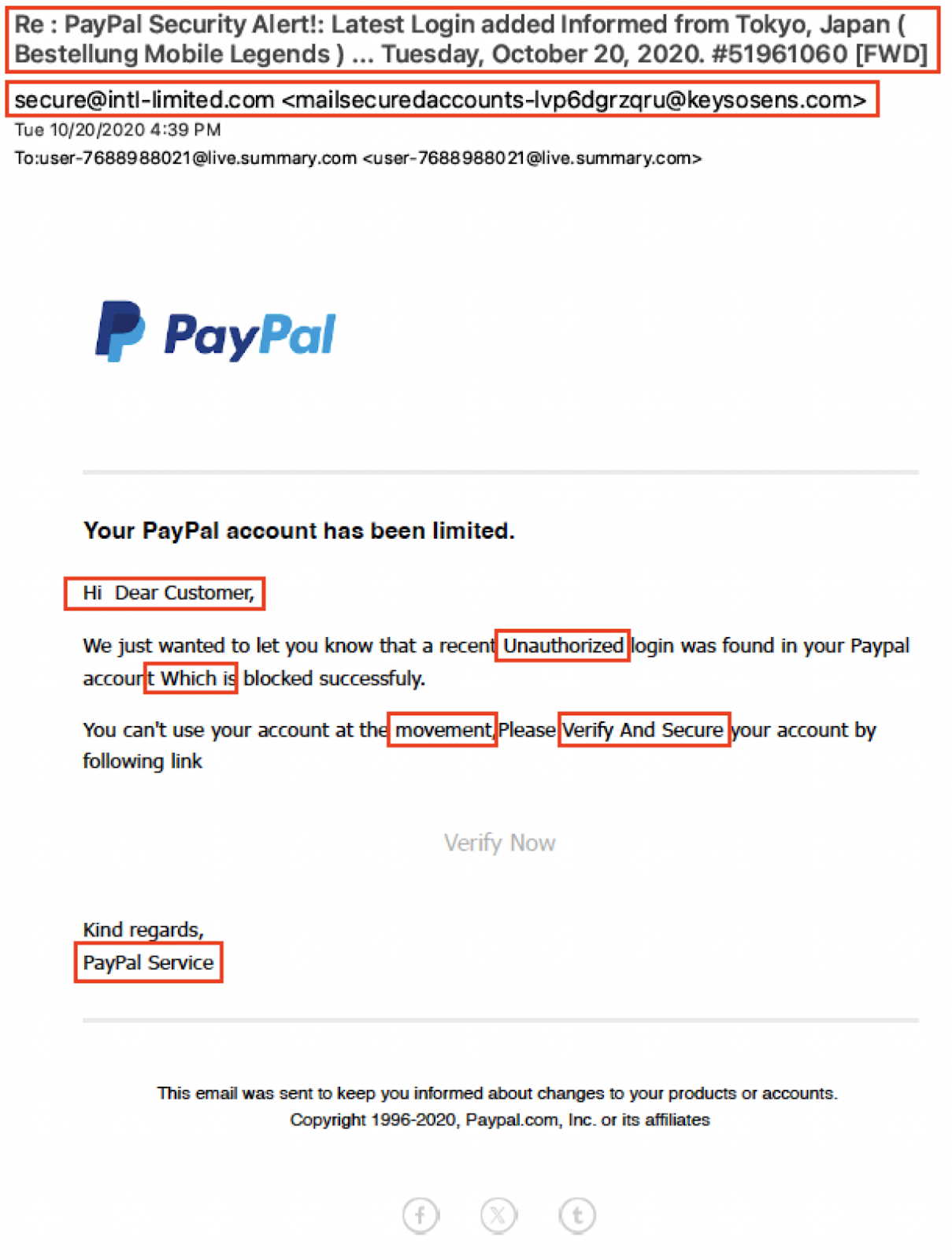
- Urgent or emotionally appealing language
- Requests to send personal or financial information
- Untrusted shortened URLs or links
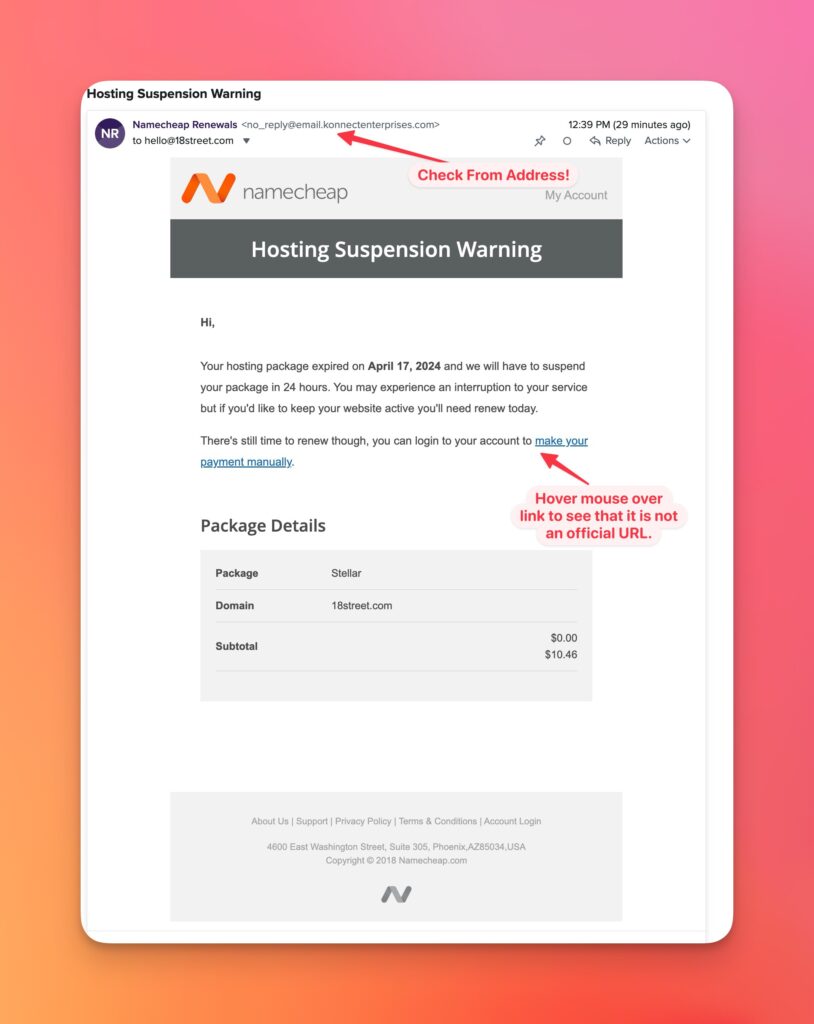
- Misspelled domain names or grammar
- Unrecognized sender or suspicious email address
Basic Digital Safety Rules
To avoid falling for phishing, follow these simple tips:
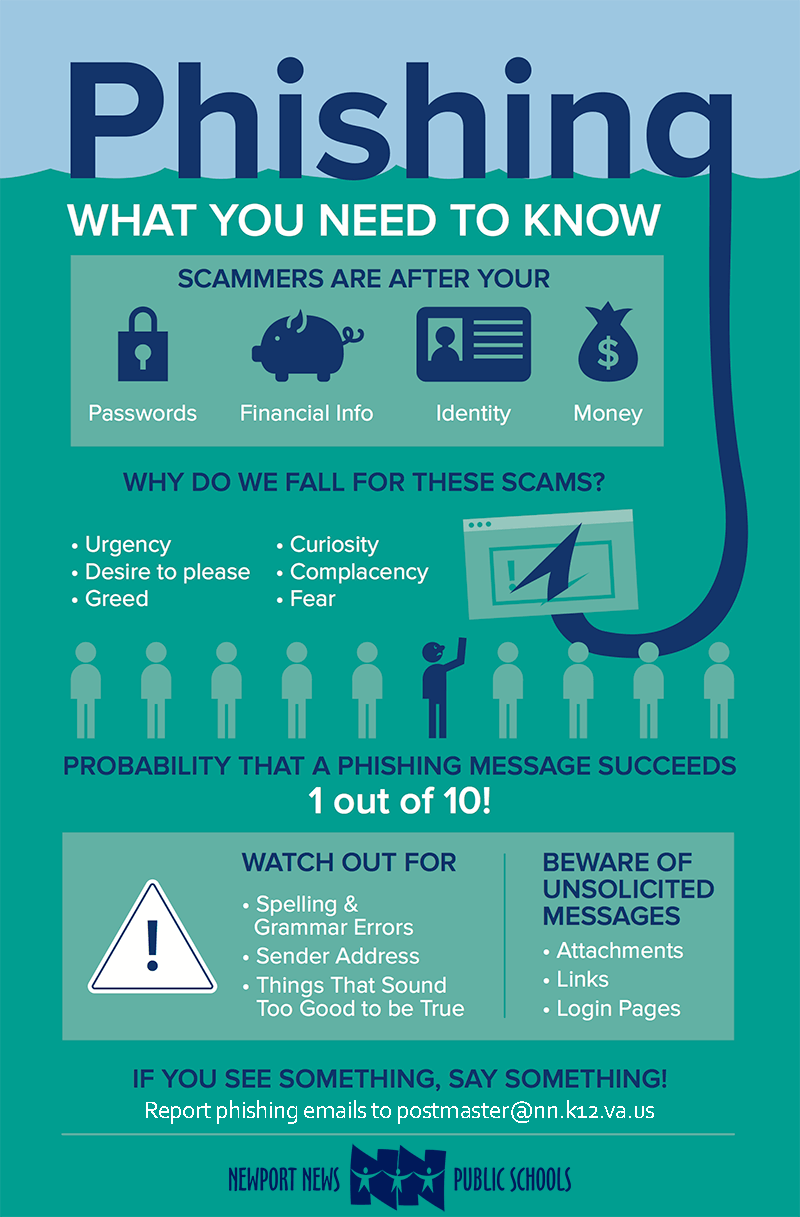
- Be skeptical: If it seems too good (or bad) to be true, it probably is.
- Verify the source: Check the sender's email address or phone number before responding.
- Watch for grammar and spelling mistakes: Legitimate companies usually don't make these errors.
- Use strong credentials: Update your passwords regularly and use strong, unique passwords for each account.
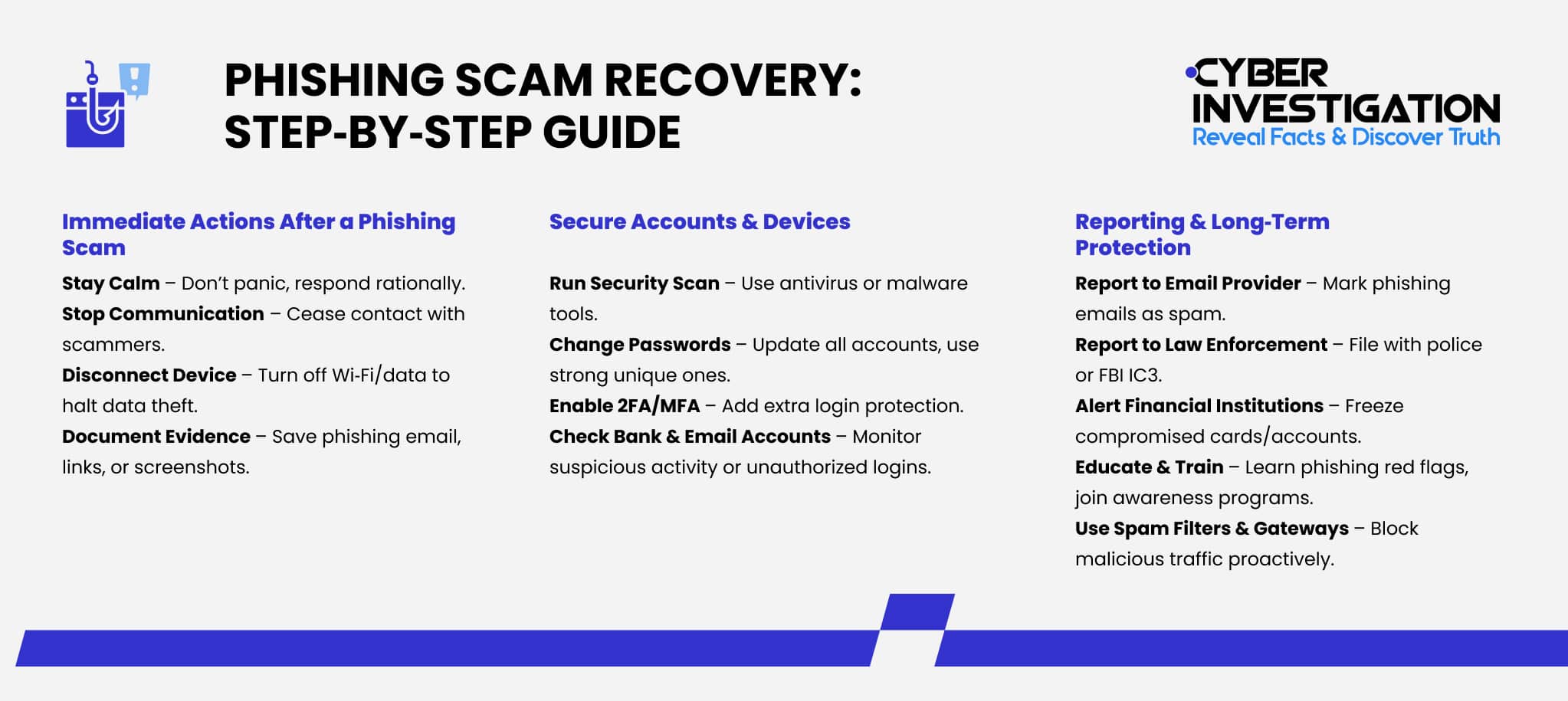
- Enable multi-factor authentication: This adds an extra layer of security to your accounts.
5 Ways to Protect Yourself from Phishing
By following these simple tips, you can significantly reduce the risk of falling victim to phishing:
- Use a reputable antivirus software and keep it up to date.
- Use a robust password manager to generate and store unique passwords.
- Regularly back up your data to a secure location.
- Use two-factor authentication (2FA) for online accounts.
- Stay informed about the latest phishing tactics and security best practices.
Reporting Phishing Emails or Texts
If you suspect a phishing email or text, report it to the relevant authorities:
- Use a phishing report button in your email client, such as Gmail's built-in feature.
- Forward the suspicious email to the relevant company's abuse email address.
- Use a reporting tool, like PhishAlarm, to report phishing attempts to your organization's IT department.
Conclusion
Phishing is a sophisticated form of online attack that can leave you vulnerable to identity theft and financial loss. By understanding the types of phishing attacks, recognizing warning signs, and following basic digital safety rules, you can significantly reduce the risk of falling victim to phishing. Stay informed, take action, and protect yourself from this ever-evolving threat.