How to Change a Tire in the Snow: A Step-by-Step Guide
Changing a tire in the snow can be a daunting task, but with the right preparation and knowledge, you can stay safe and get back on the road quickly. In this article, we'll cover everything you need to know to change a tire in the snow, from the necessary tools and safety precautions to the step-by-step process.
Why Changing a Tire in the Snow is Critical
When the snow falls, the roads become slippery and hazardous, making it difficult to drive. A flat tire can be especially problematic in these conditions, as it can cause you to lose control of your vehicle or even get stuck in the snow. That's why it's essential to know how to change a tire in the snow, so you can stay safe and get back on the road quickly.
Necessary Tools and Safety Precautions

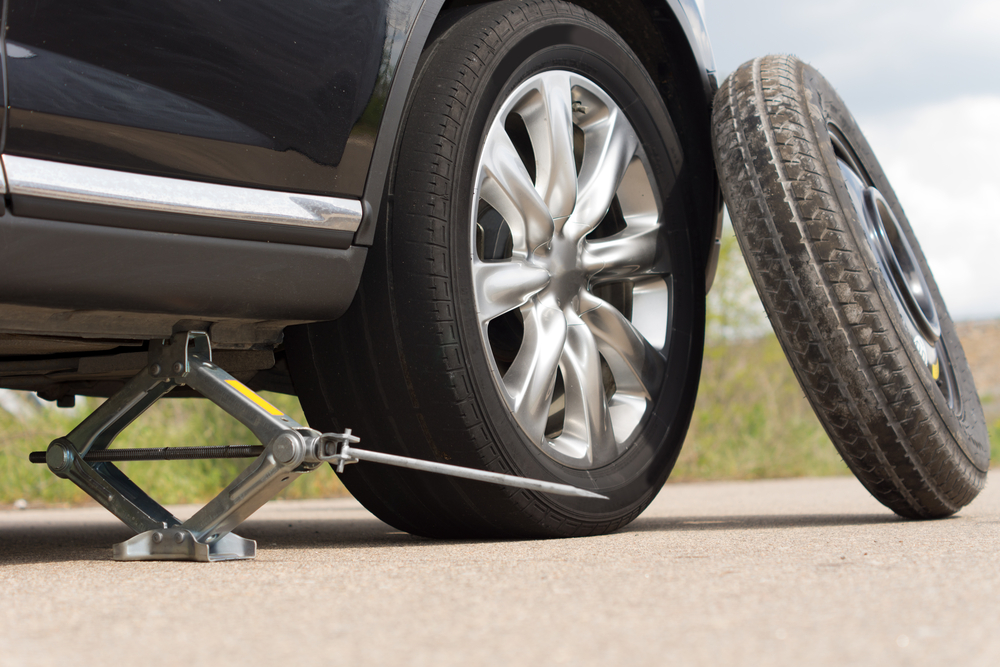
- Jack and Jack Stands: You'll need a sturdy jack and jack stands to lift your vehicle off the ground. Make sure the jack is rated for your vehicle's weight and that you have a pair of jack stands to support the weight.
- Lug Wrench: A lug wrench is a long, T-shaped tool used to loosen the lug nuts. Make sure it's the right size for your vehicle's lug nuts.
- Spare Tire: Your spare tire should be in good condition and properly inflated. Make sure you have a spare tire and that it's in good working order.
- Tire Pressure Gauge: A tire pressure gauge is essential for checking your tire pressure. Make sure you have a gauge that's accurate and easy to use.
- Reflective Triangle or Road Flares: In the event of a flat tire, it's essential to alert other drivers to the fact that you're changing a tire. Use a reflective triangle or road flares to increase your visibility.
- Warm Clothing and Gloves: Changing a tire in the snow can be cold and uncomfortable. Make sure you're dressed warmly and have a pair of gloves to keep your hands warm.
Step-by-Step Guide to Changing a Tire in the Snow
Now that you have the necessary tools and safety precautions, it's time to change your tire. Here's a step-by-step guide to help you through the process:
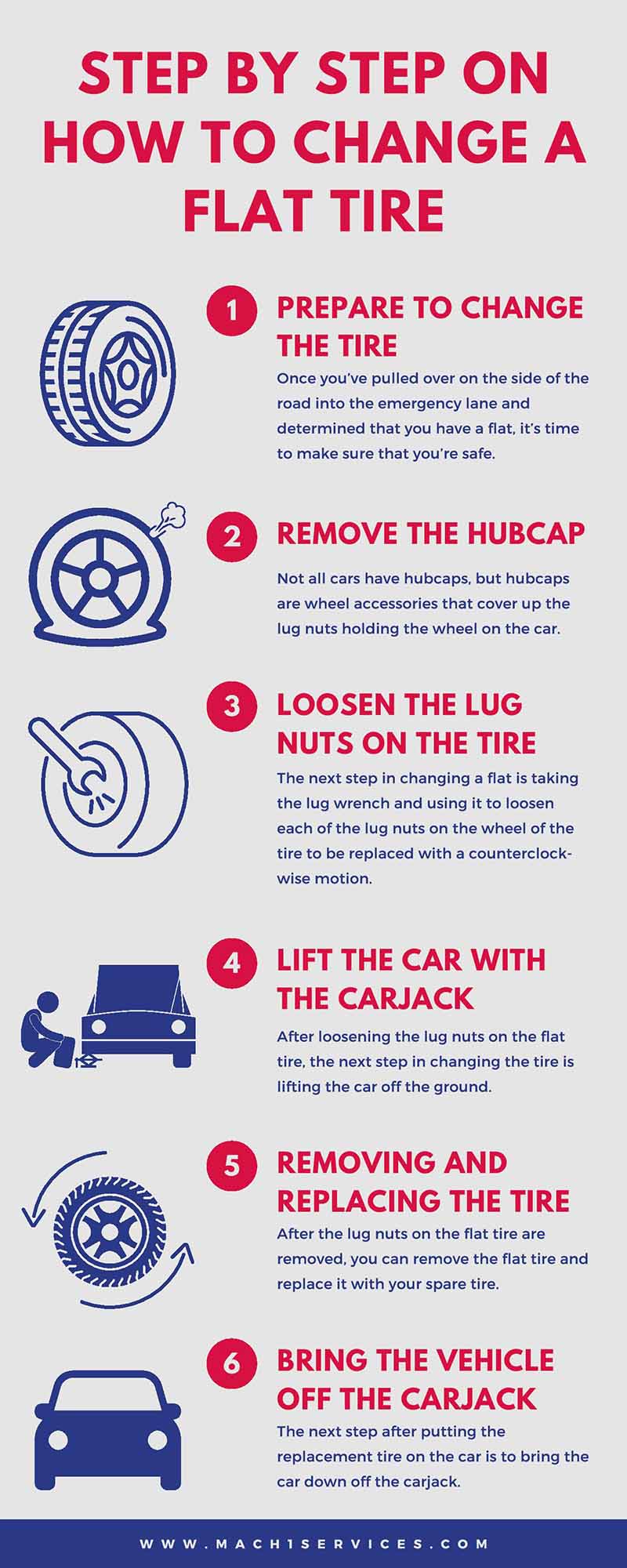
- Find a Safe Location: Move your vehicle to a flat, stable surface that's far away from traffic. Turn off the engine and engage the parking brake.
- Loosen the Lug Nuts: Before you jack up the vehicle, loosen the lug nuts using your lug wrench. Turn them counterclockwise until they're loose, but don't remove them yet.
- Jack Up the Vehicle: Position the jack under the vehicle and raise it until the flat tire is off the ground. Make sure the jack is stable and sturdy.
- Remove the Lug Nuts: Now that the vehicle is raised, you can remove the lug nuts completely. Place them in a safe location where they won't get lost.
- Remove the Flat Tire: Carefully pull the flat tire straight off the wheel hub and set it aside.
- Install the Spare Tire: Place the spare tire onto the wheel hub and hand tighten the lug nuts. Make sure the tire is properly seated and centered.
- Tighten the Lug Nuts: Use your lug wrench to tighten the lug nuts in a star pattern (tightening one lug nut a little, then moving to the next one, and so on). Make sure they're tightened securely, but don't overtighten.
- Lower the Vehicle: Carefully lower the vehicle to the ground using the jack.
- Tighten the Lug Nuts Again: Once the vehicle is back on the ground, use your lug wrench to tighten the lug nuts as tight as possible in a star pattern.
- Check the Tire Pressure: Use a tire pressure gauge to check the tire pressure of your spare tire. Make sure it's at the recommended pressure, which can be found on the tire's sidewall or in your vehicle's owner's manual.