Understanding Hormonal Acne: What Causes It?
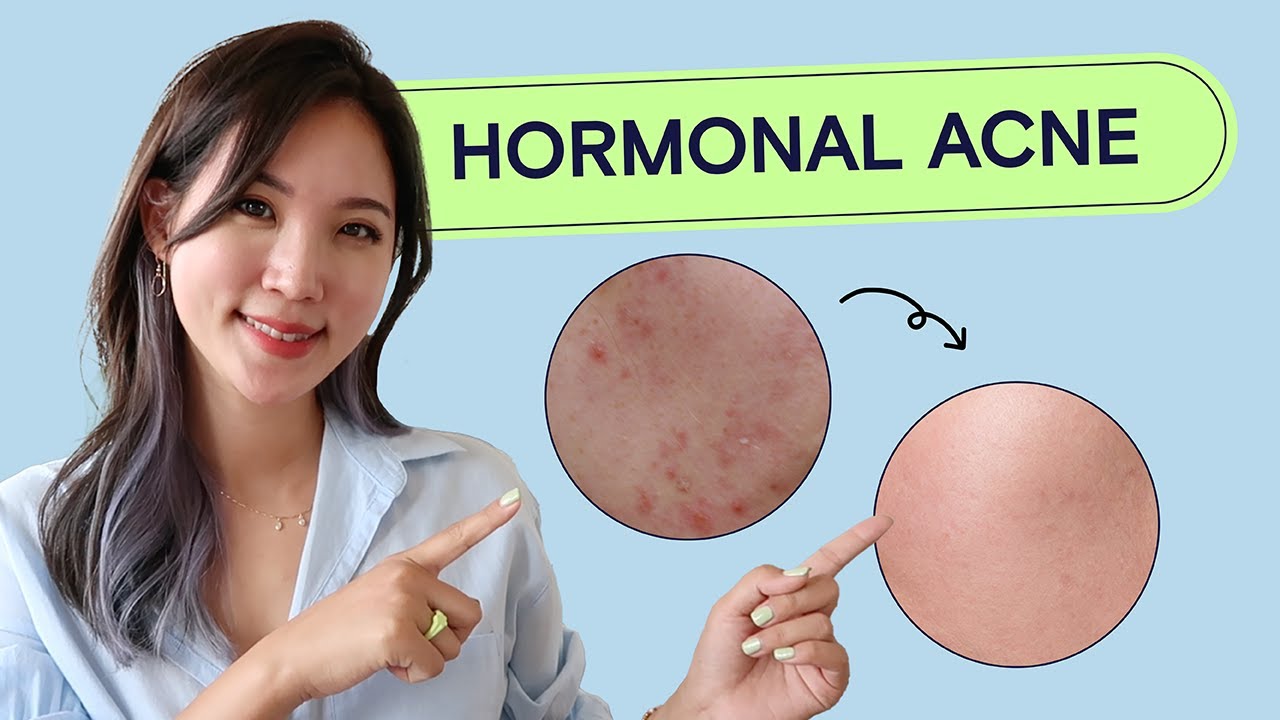
Hormonal acne, also referred to as adult acne, is a common skin condition triggered by changes in hormones. It typically affects women between the ages of 20 and 50, although it can occur at any time during adulthood.
The Connection Between Hormones and Acne
Research suggests that hormonal fluctuations can lead to increased oil production, causing clogged pores and acne. In particular, excess androgens - male hormones present in both men and women - stimulate sebaceous glands to produce more oil, mixing with dead skin cells and causing acne.
Other Contributing Factors
Polycystic ovary syndrome (PCOS): A medical condition characterized by hormone imbalance, irregular periods, and sometimes unwanted hair growth or fertility issues.
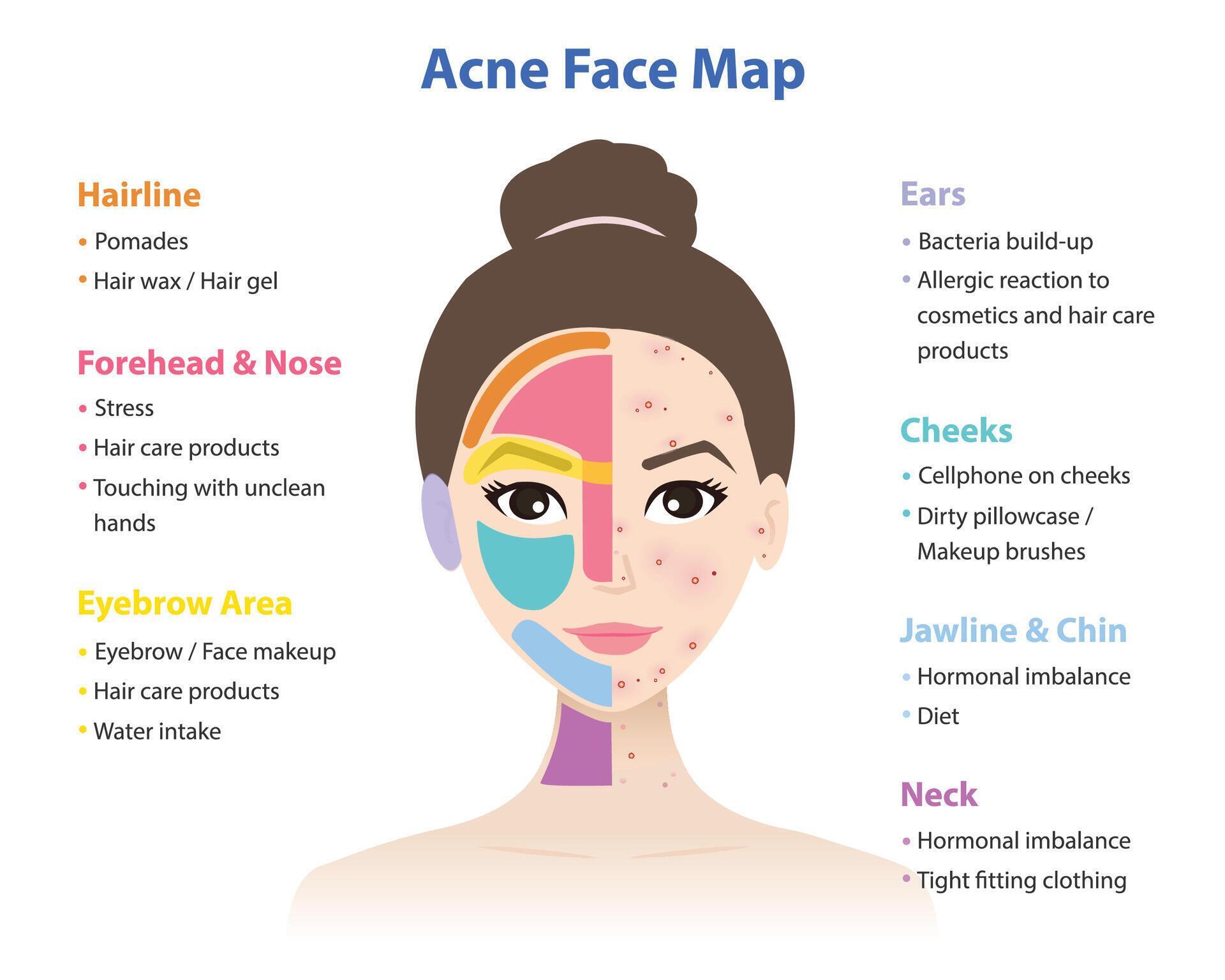
Stress: High levels of stress can disrupt hormone balance, leading to acne.
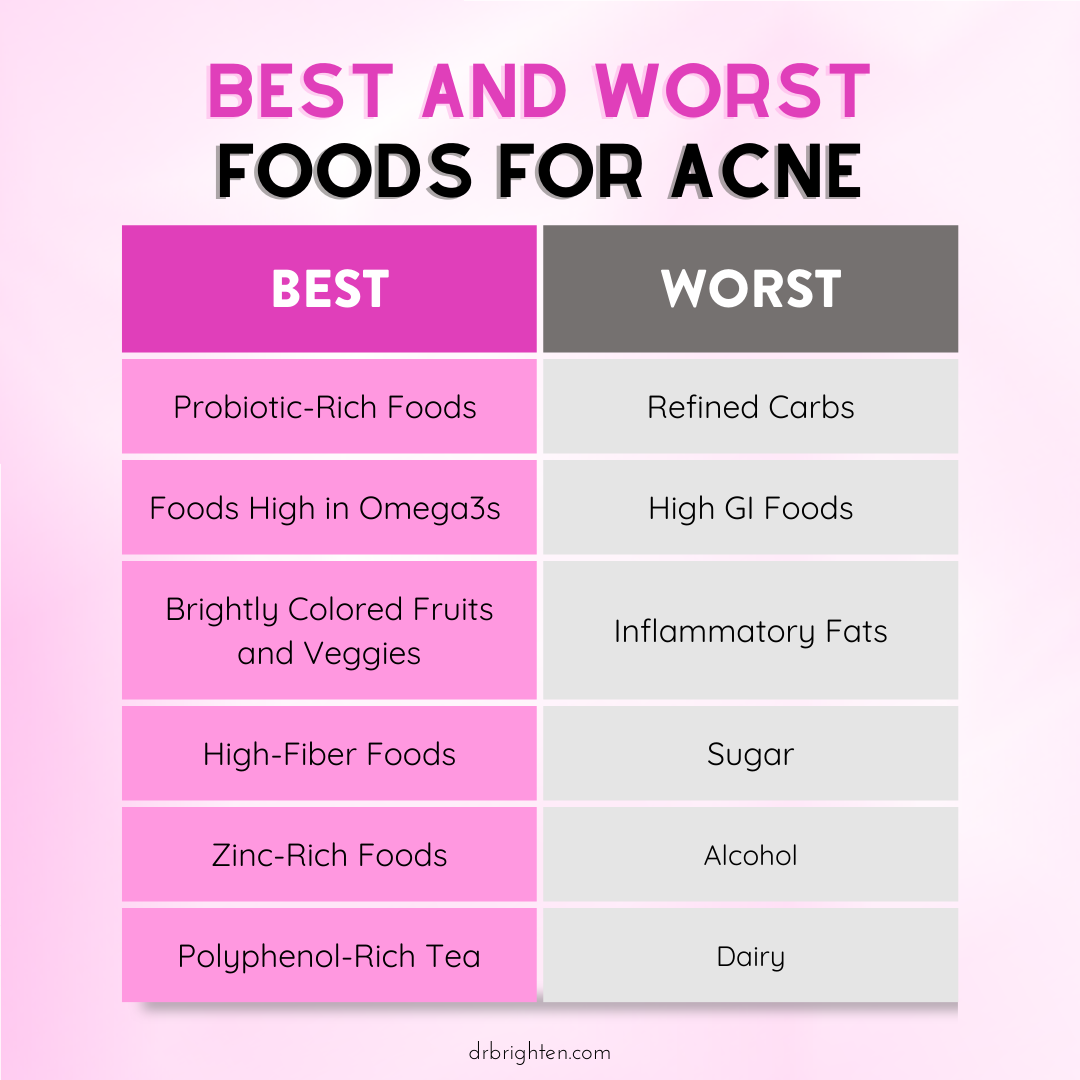
Poor diet: Consuming a diet high in processed foods, sugar, and dairy products can exacerbate acne.
Inadequate skincare: Not following a consistent skincare routine can lead to clogged pores and acne.
Smoking: Smoking can reduce blood flow to the skin, leading to poor skin health and acne.
Use of comedogenic products: Using products that clog pores can contribute to acne.
Identifying Hormonal Acne
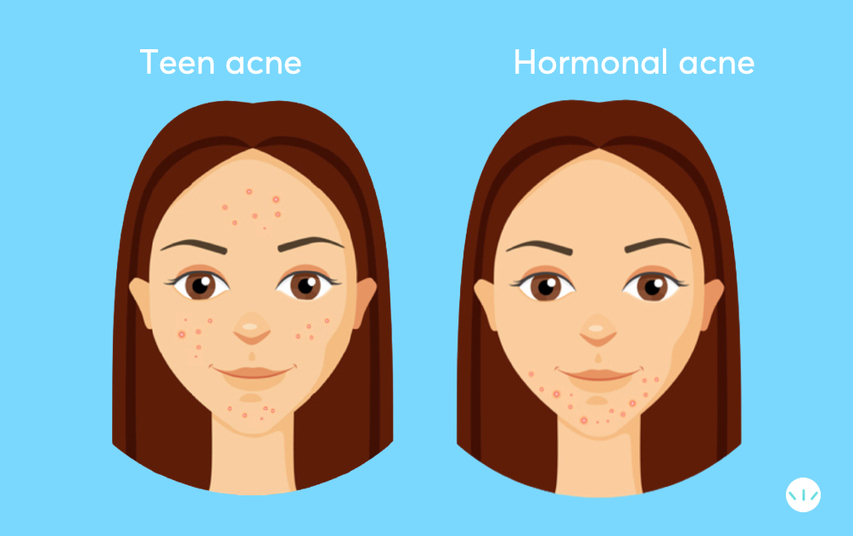
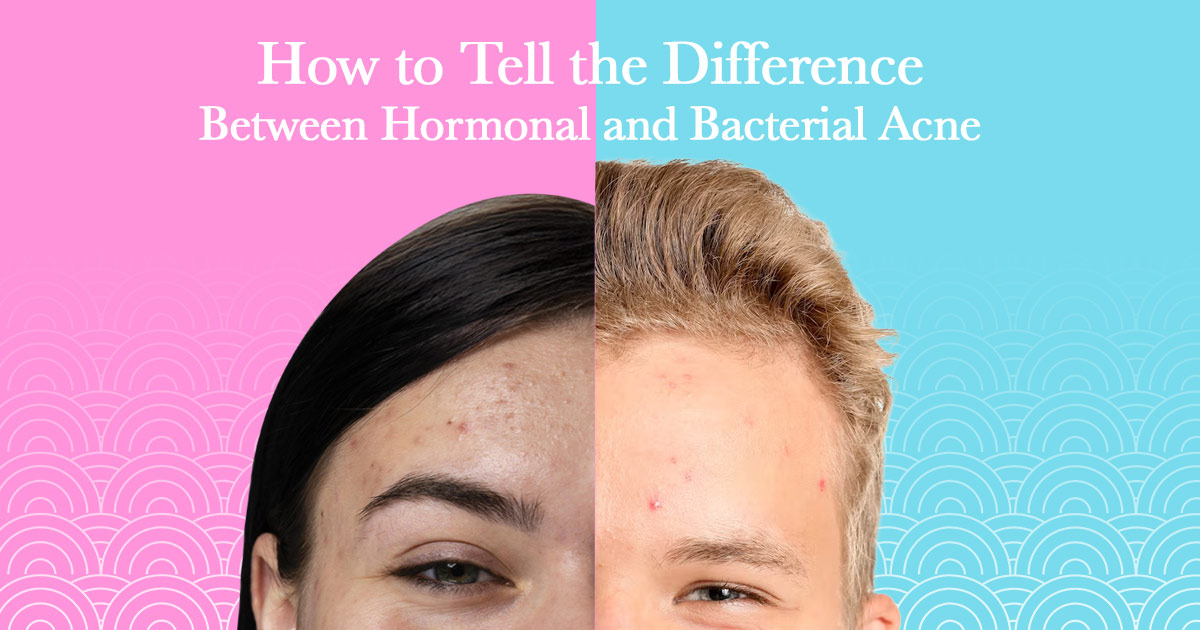
Understanding the symptoms and timing of hormonal acne can help identify when it occurs. Breakouts often cluster around the chin and jawline, and may worsen in the days leading up to menstruation, during menopause, or after childbirth.
Seeking Treatment

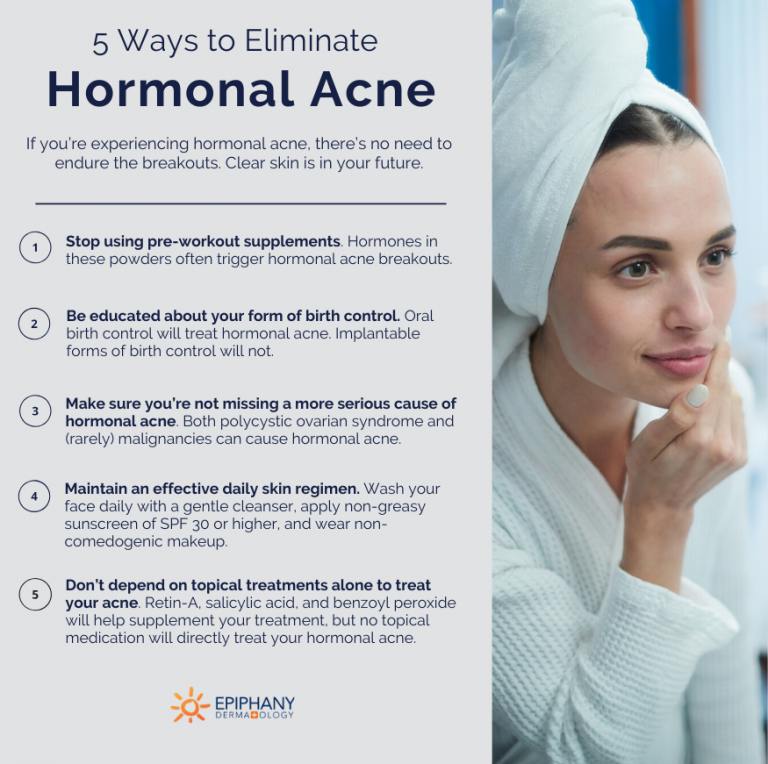
While hormonal acne can be challenging to treat, there are various options available. Topical and oral medications can help reduce oil production and swelling, while medical treatments like hormonal therapy can address underlying hormonal imbalances.
Prevention Tips
Practice good skincare habits: Washing your face twice a day, using non-comedogenic products, and avoiding picking or popping pimples can help prevent acne.
Manage stress: Engage in stress-reducing activities like yoga, meditation, or deep breathing exercises.
Balance your hormones: Consider consulting with a healthcare professional to determine the best course of treatment for your hormonal imbalances.
Make healthy lifestyle choices: Eat a balanced diet, stay hydrated, and avoid smoking to improve overall skin health.
Conclusion
Hormonal acne can be a challenging condition to navigate, but understanding the underlying causes and symptoms can help identify the best course of treatment. By practicing good skincare habits, managing stress, and making healthy lifestyle choices, individuals can reduce the frequency and severity of hormonal acne.
Additional Resources
For further information on hormonal acne, its causes, and treatment options, consider consulting with a dermatologist or healthcare professional. They can provide personalized advice and guidance based on your individual needs.