Understanding Attention Span and its Impact on Our Lives
Have you ever found yourself multitasking, switching between tasks quickly, and struggling to focus on a single thing for more than a few minutes? You're not alone. Attention span, the amount of time spent concentrating on a task before becoming distracted, is a critical aspect of our daily lives. In this article, we'll delve into the world of attention span, its variations by age, activity, and temperament, and how it affects academic and professional outcomes.
The Science of Attention Span
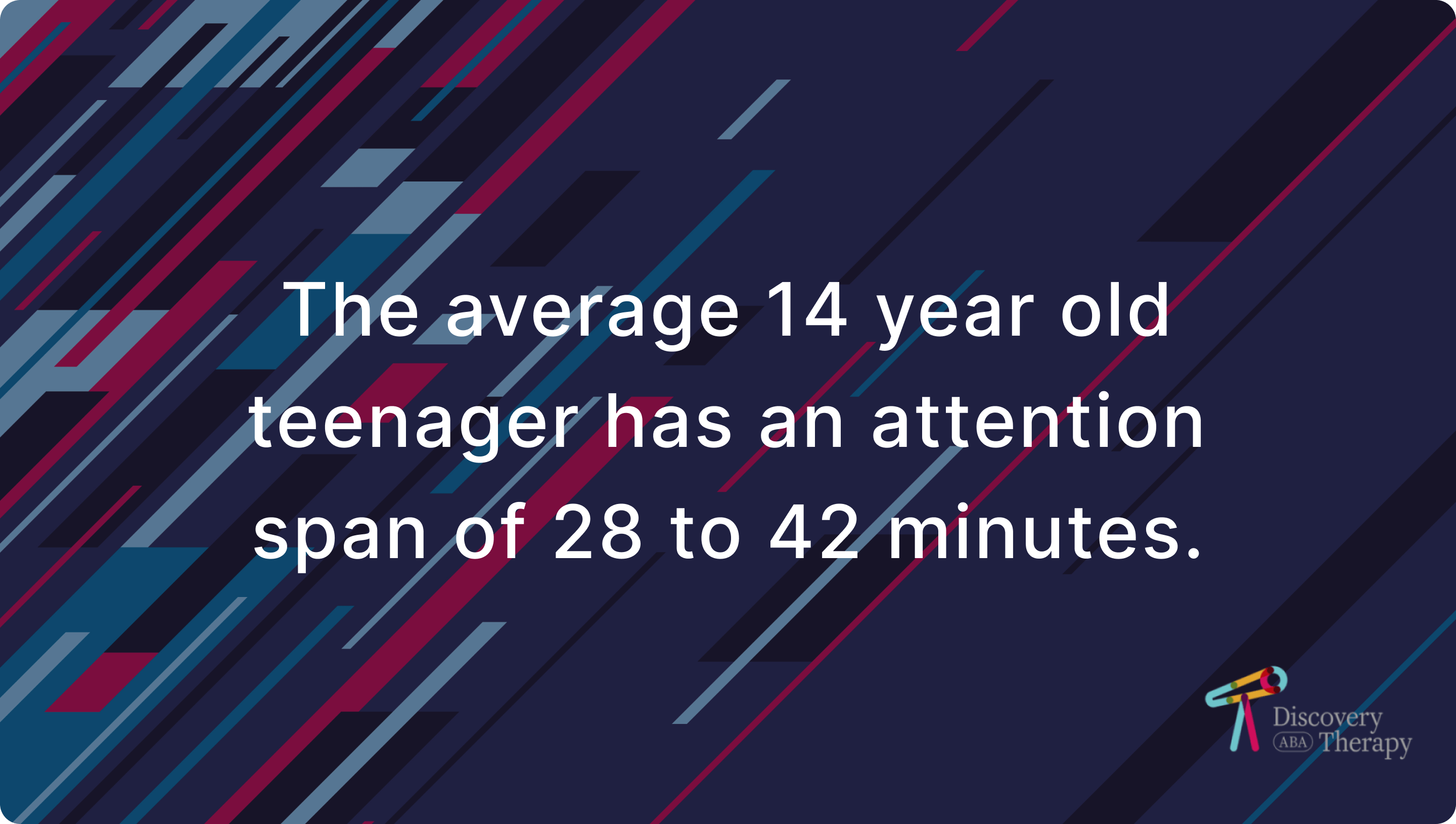
Attention span is a psychological concept that refers to the amount of time spent concentrating on a task before becoming distracted. It's a fundamental aspect of our cognitive abilities, influenced by factors such as age, activity, and temperament. Research suggests that attention span varies across age groups. Children have a shorter attention span compared to adults, while individuals with attention deficit hyperactivity disorder (ADHD) tend to have a shorter attention span as well.
The Impact of Modern Stressors on Attention Span
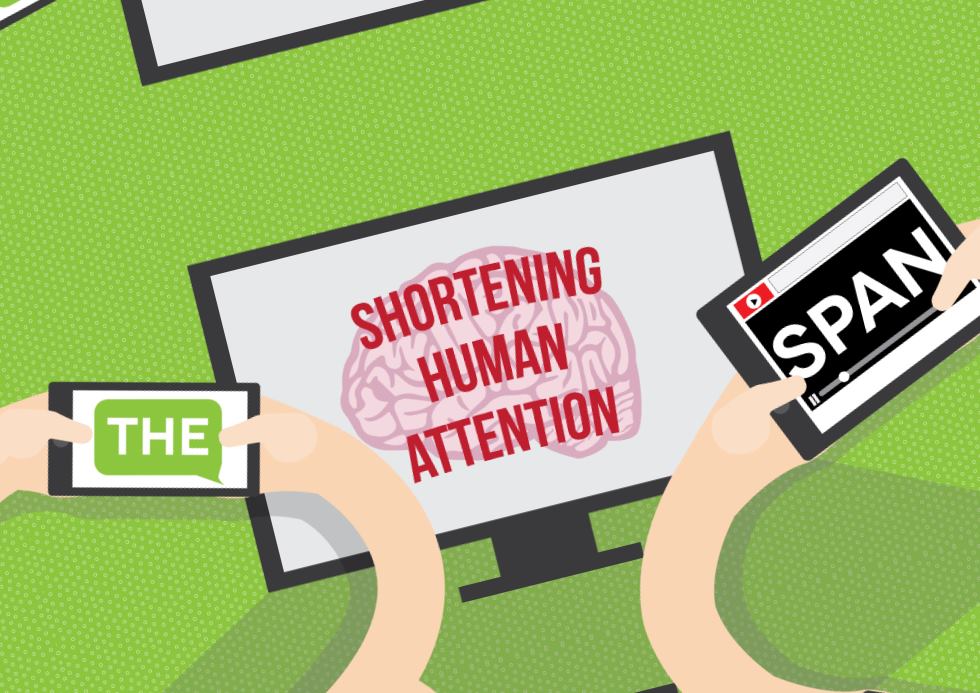
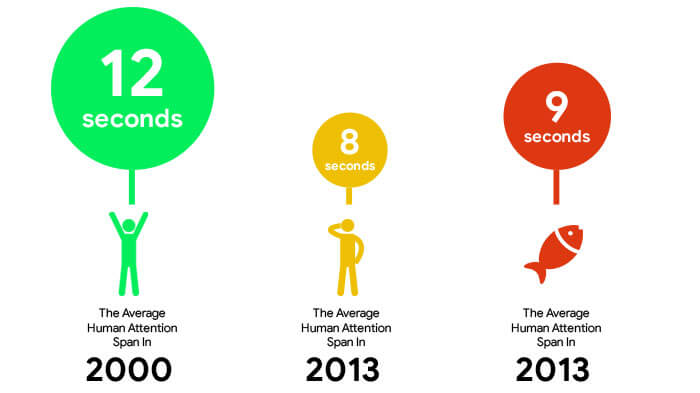
Modern stressors, such as constant technology use and social media, are making it increasingly difficult to focus on a single task for an extended period. According to expert Gloria Mark, PhD, digital devices and media can significantly affect our ability to focus and pay attention. With the constant influx of notifications, emails, and social media updates, our attention spans are shrinking. Mark suggests that the average human attention span is around 8 seconds, highlighting the importance of finding ways to improve focus and concentration.
Why Do We Need to Improve Our Attention Span?
Improving our attention span is crucial for various reasons. Firstly, it enables us to process and retain more information, leading to better academic and professional outcomes. Secondly, it helps us develop better time management skills, reduced stress levels, and increased productivity. Finally, it allows us to multishift between tasks more effectively, leading to improved multitasking abilities.
Strategies to Improve Attention Span
Fortunately, there are several strategies that can help improve our attention span. Some of these include:
- Practice mindfulness meditation: Regular mindfulness practice can help increase focus and concentration.
- Break tasks into smaller chunks: Divide large tasks into smaller, manageable tasks to reduce feelings of overwhelm.
- Use the Pomodoro Technique: Work in focused 25-minute increments, followed by a 5-minute break.
- Minimize distractions: Eliminate or minimize distractions, such as turning off notifications or finding a quiet workspace.
- Engage in physical activity: Regular physical activity improves focus and concentration.
Conclusion
Understanding attention span and its impact on our lives is crucial for improving focus, productivity, and overall well-being. By recognizing the factors that influence our attention span and implementing strategies to improve it, we can achieve better academic and professional outcomes. Whether it's practicing mindfulness, breaking down tasks, or engaging in physical activity, there are numerous ways to boost our attention span and stay focused in today's digital age.