The Factor of Gadget Addiction: Understanding the Causes and Consequences
August 26, 2024
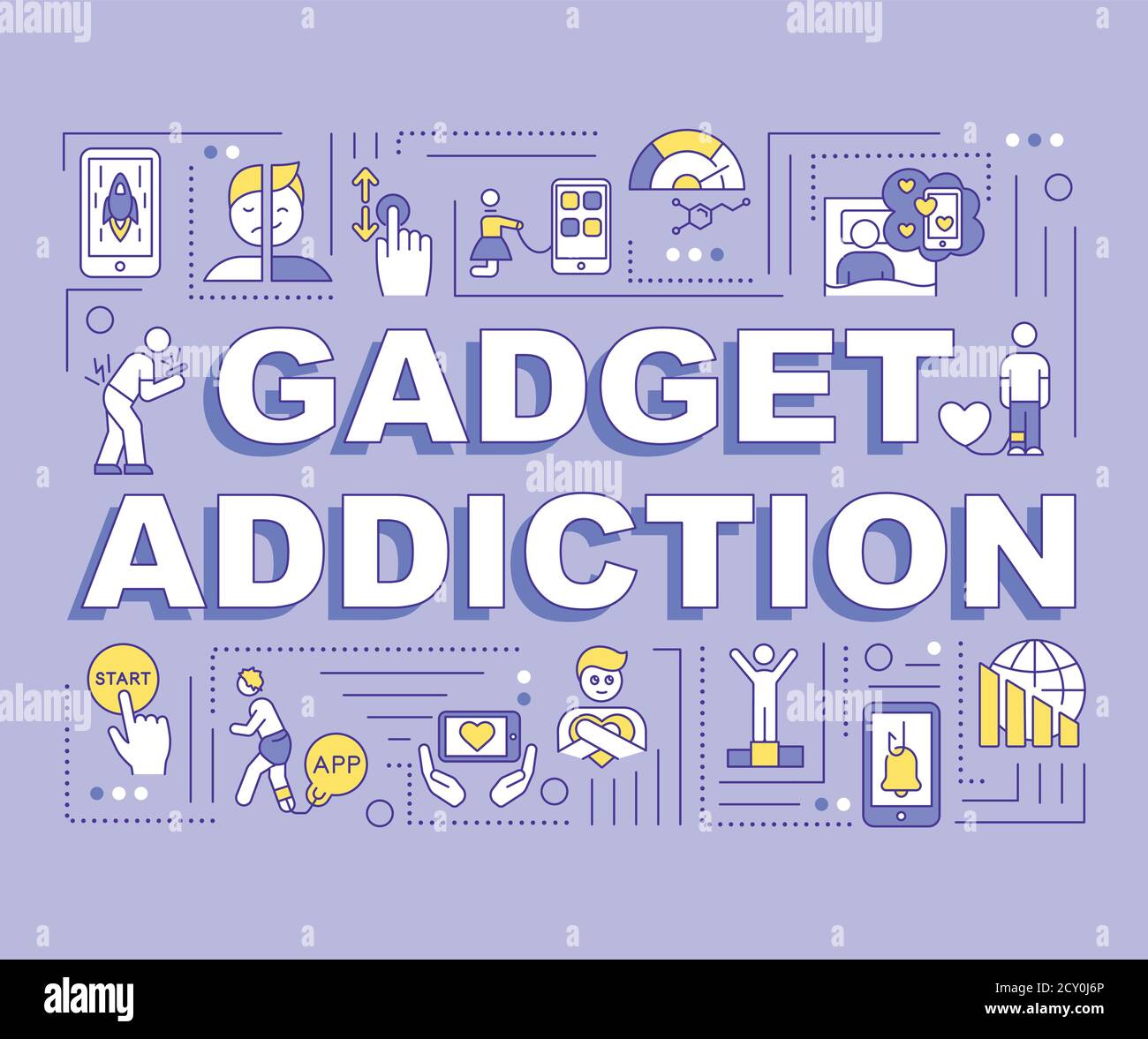
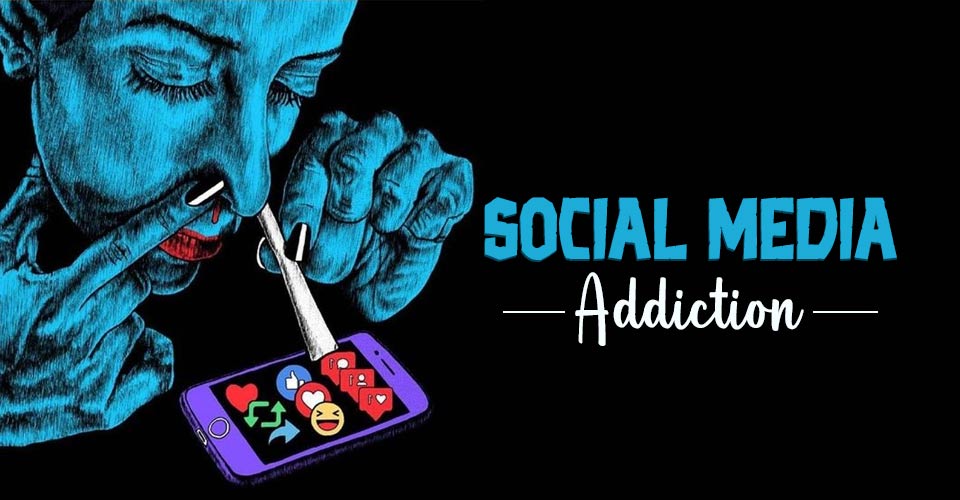
Gadget addiction is a growing concern in today's digital era, affecting individuals of all ages and backgrounds. The reasons behind this phenomenon are multifaceted, involving psychological, social, and environmental factors. In this article, we will delve into the various factors contributing to gadget addiction and explore the impact on mental and physical health.
Causes of Gadget Addiction
Research has identified several key factors that play a significant role in gadget addiction. These include:
- Loneliness: The use of gadgets can fill the void of loneliness and provide a sense of connection with others.
- Self-control: Individuals with poor self-control may find it difficult to resist the temptation of gadgets, leading to excessive use.
- Anxiety: Gadgets can provide a coping mechanism for anxiety, distracting individuals from their worries and concerns.
- Boredom: Gadgets offer an endless array of entertainment options, keeping individuals engaged and occupied.
- Peer influence: The peer group can significantly impact an individual's gadget use, with friends and family members influencing their behavior.
These factors can interact with one another, creating a complex web of influences on gadget addiction. For instance, an individual with low self-control may be more susceptible to gadget addiction due to peer influence or boredom.
Consequences of Gadget Addiction
Gadget addiction has far-reaching consequences for mental and physical health, including:

- Mental health concerns: Excessive gadget use has been linked to increased rates of depression, anxiety, and stress.
- Physical health problems: Gadgets can contribute to a sedentary lifestyle, leading to issues such as obesity, back pain, and eye strain.
- Sleep quality: Exposure to screens and the constant notifications can disrupt sleep patterns, leading to fatigue and decreased cognitive function.
- Social relationships: Gadget addiction can erode social skills, leading to difficulties in forming and maintaining relationships.
The effects of gadget addiction are not limited to individual health; they can also have broader societal implications, such as decreased productivity, increased screen time, and decreased attention span.
Prevention and Management
Preventing and managing gadget addiction requires a multifaceted approach, involving individuals, families, and society at large. Strategies include:
- Setting boundaries: Establishing rules and limits on gadget use can help individuals maintain a healthy balance between technology and other aspects of life.
- Encouraging physical activity: Engaging in regular physical activity can help reduce the urge to use gadgets excessively.
- Seeking support: Reaching out to friends, family, or professionals can provide a sense of community and help individuals overcome gadget addiction.
- Implementing policy changes: Governments and organizations can implement policies and programs to promote responsible gadget use and mitigate the effects of addiction.
By understanding the factor of gadget addiction and its consequences, we can take steps to prevent and manage this growing concern. By promoting healthy gadget use and encouraging individuals to adopt balanced lifestyles, we can mitigate the impact of gadget addiction on mental and physical health.
Conclusion
Gadget addiction is a complex issue, influenced by a range of psychological, social, and environmental factors. By understanding these factors and their interactions, we can develop effective strategies to prevent and manage gadget addiction. By working together, we can promote healthy gadget use and mitigate the negative consequences associated with gadget addiction."