Design for Inclusivity: A Comprehensive Guide to Creating Accessible and Usable Products and Services
In today's increasingly diverse and interconnected world, the importance of design for inclusivity cannot be overstated. As the global population continues to grow and become more fragmented, businesses and organizations must adapt their design strategies to cater to a wide range of needs, abilities, and preferences. In this article, we will explore the concept of design for inclusivity, its benefits, and practical tips on how to implement it in your organization.
What is Design for Inclusivity?
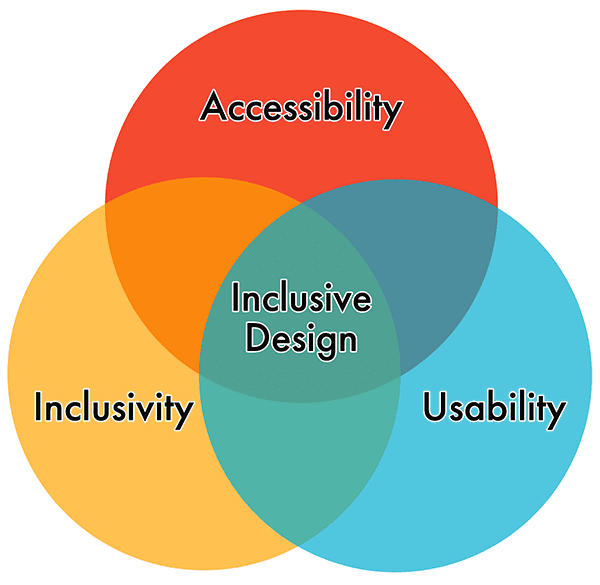
Design for inclusivity is a design approach that focuses on creating products, services, and experiences that are accessible and usable by everyone, regardless of their abilities, age, culture, language, or geographical location. It involves understanding the diversity of human experiences and actively accommodating different needs, preferences, and barriers. By doing so, inclusive design creates a more equitable, innovative, and connected future.
The Benefits of Inclusive Design
The benefits of inclusive design are numerous and far-reaching. Some of the key advantages include:
- Improved accessibility and usability for diverse user groups
- Increased user satisfaction and loyalty
- Enhanced brand reputation and trust
- Competitive advantage in the market
- Cost savings through reduced product modification and support
- Compliance with regulations and accessibility standards
Real-World Examples of Inclusive Design
There are many inspiring examples of inclusive design in various industries. Some notable examples include:
- Microsoft's inclusive design principles, which provide a comprehensive framework for designing products and services that are accessible and usable by everyone
- Buddha's Cup ramp access, which provides a seamless experience for visitors with mobility challenges at their coffee farm and shop
- Behance's creative network, which showcases and discovers creative inclusive design work and fosters a community of designers and creatives who prioritize inclusivity

Key Principles of Inclusive Design
To create inclusive products and services, designers must adhere to a set of core principles that prioritize accessibility and usability for diverse user groups. Some key principles of inclusive design include:
- Perceptible information: Provide information through multiple senses and in different formats to accommodate diverse user needs
- Easy language: Use clear, concise language that is accessible to all users, regardless of literacy level or language proficiency
- Flexible design: Design products and services that can be easily modified or customized to meet individual user needs
- Tactical navigation: Provide users with clear and consistent navigation to help them navigate products and services efficiently
- Ergonomic design: Design products and services that are comfortable, intuitive, and easy to use, regardless of user ability or age
- Narrative design: Create a narrative that is engaging, relevant, and meaningful to diverse user groups
Implementing Inclusive Design in Your Organization
Implementing inclusive design in your organization requires a comprehensive approach that involves multiple stakeholders and disciplines. Some practical tips for implementing inclusive design include:
- Establish a design team that prioritizes inclusivity and accessibility
- Develop inclusive design principles and guidelines that are aligned with your organization's mission and values
- Conduct user research and testing to ensure that products and services are accessible and usable by diverse user groups
- Collaborate with designers, developers, and stakeholders to integrate inclusive design into all stages of the design process
- Provide training and education on inclusive design to all team members and stakeholders
Conclusion
Design for inclusivity is a critical aspect of creating accessible and usable products and services in today's diverse and interconnected world. By understanding the benefits of inclusive design and implementing key principles and practices, organizations can create a more equitable, innovative, and connected future for all users. As the global population continues to grow and become more fragmented, the importance of inclusive design will only continue to increase.