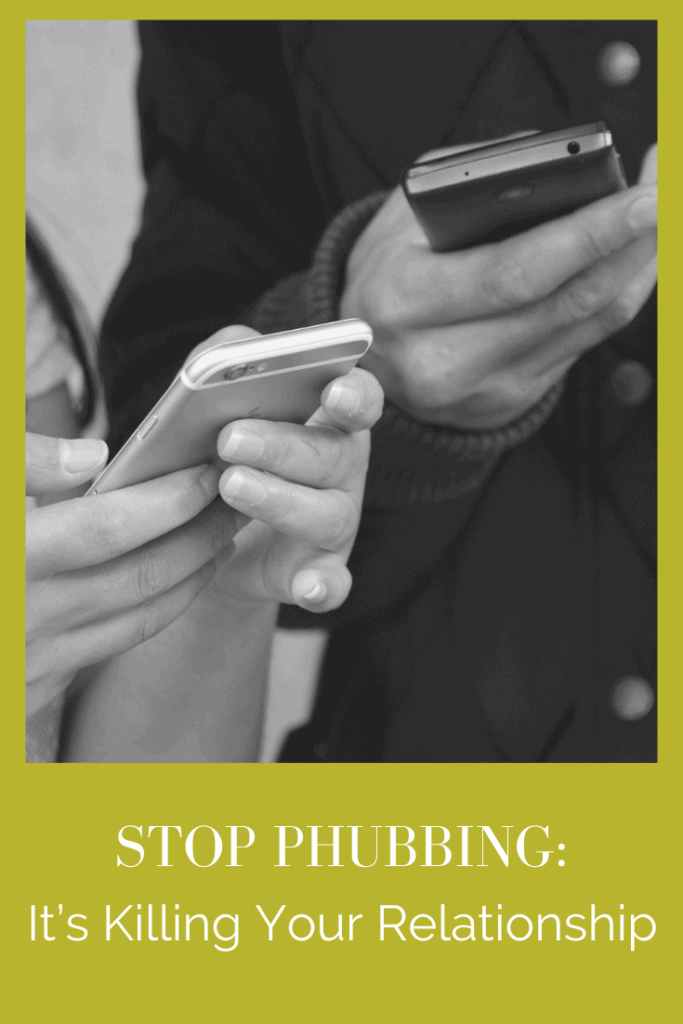
The Effects of Phubbing on Relationships: Understanding the Damage and Taking Action
Are you familiar with the term "phubbing"? It may sound like a new word, but the concept is all too familiar to many of us. Phubbing, a portmanteau of "phone" and "snubbing", refers to the act of ignoring someone in favor of your phone. This seemingly innocuous behavior can have detrimental effects on relationships, emotional well-being, and even mental health. In this article, we will delve into the effects of phubbing on relationships and explore strategies to stop this behavior.
What is Phubbing and its Effects on Relationships?
Phubbing is a common phenomenon that affects individuals in various types of relationships, including romantic relationships, friendships, and familial relationships. It occurs when one person prioritizes their phone over the person they are with, often leading to feelings of neglect, rejection, and hurt. Research has shown that phubbing can have a negative impact on relationships, including:
- Decreased intimacy and emotional closeness
- Reduced relationship satisfaction
- Increased conflict and communication problems
- Lower perceived relationship quality
- Emotional disconnection and isolation
Signs of Phubbing and its Consequences
Phubbing can manifest in various ways, including:
- Constantly checking your phone during conversations or meals
- Responding to texts or social media notifications immediately
- Staying glued to your phone during social gatherings or events
- Intentionally avoiding eye contact or conversations
These behaviors can lead to feelings of resentment, hurt, and anger in the partner who is ignored. Long-term phubbing can also contribute to emotional disconnection, loneliness, and depression.

Consequences of Phubbing
Phubbing can have far-reaching consequences on relationships, mental health, and social connections. Research has shown that:
- Phubbing can lead to lower relationship satisfaction and quality
- It can decrease emotional intimacy and closeness
- Phubbing can increase feelings of jealousy and insecurity
- It can contribute to depression, anxiety, and low self-esteem
Breaking the Cycle of Phubbing
Breaking the cycle of phubbing requires awareness, effort, and commitment from both parties involved. Here are some practical strategies to help you stop phubbing and strengthen your relationships:
- Set boundaries and prioritize face-to-face communication
- Put your phone away during conversations or social gatherings
- Designate phone-free zones and times, like during meals or conversations
- Practice mindfulness and self-regulation when using your phone
- Communicate openly with your partner about your phone use and expectations
Conclusion
Phubbing is a common and insidious behavior that can have far-reaching consequences on relationships, emotional well-being, and mental health. By recognizing the signs of phubbing and taking proactive steps to change our behavior, we can foster more meaningful, compassionate, and connected relationships. Remember, relationships thrive on attention, respect, and presence – so make a conscious effort to put your phone away and invest in the people that matter most.