Creating and Selling an Online Electronics Product: A Comprehensive Guide
Have you ever dreamed of launching a successful electronics business or selling electronic products online? With the rise of e-commerce and technology advancements, creating and selling an online electronics product has never been more accessible. In this article, we will delve into the world of online electronics sales and explore the essential steps to get your business up and running.
Market Research and Understanding Your Audience
The electronics industry is a thriving market, with online sales growing at 15% annually. To succeed in this competitive space, it's crucial to conduct thorough market research and understand your target audience. Who are your customers? What are their needs, preferences, and pain points? By gathering this information, you can develop a product that resonates with your target audience and meets their expectations.
Developing and Creating Your Product
Whether you're creating a new gadget or designing a smart home security system, developing a product that is innovative, reliable, and appealing to your target audience is essential. You can use platforms like Arduino, Raspberry Pi, or other development platforms to create prototypes. Once you have a working prototype, refine it to ensure it meets your standards and is market-ready.
Choosing the Right eCommerce Platform
With numerous eCommerce platforms available, selecting the right one for your online electronics store is vital. Consider factors such as ease of use, customization options, payment gateways, and integrations with social media and other tools. Popular options like Shopify, Wix, and Squarespace offer robust features and are user-friendly, making them a great starting point.
Setting Up and Creating Your Online Store
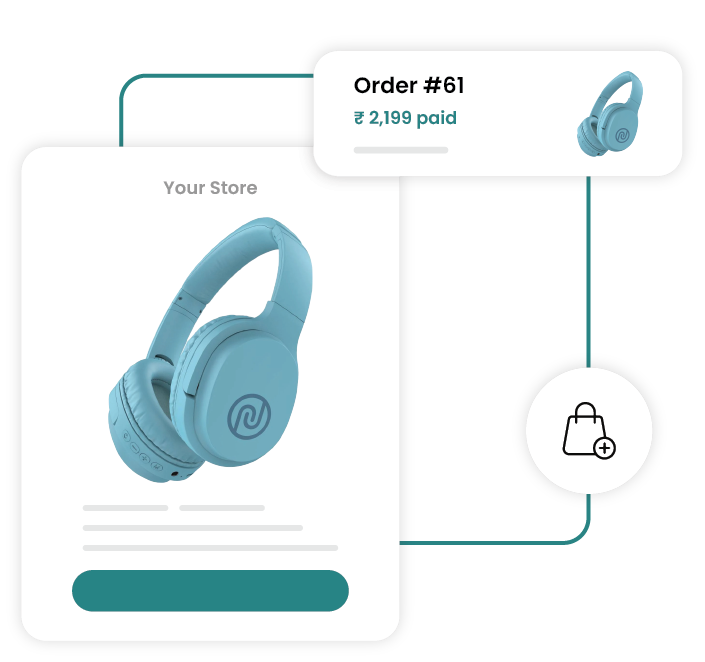
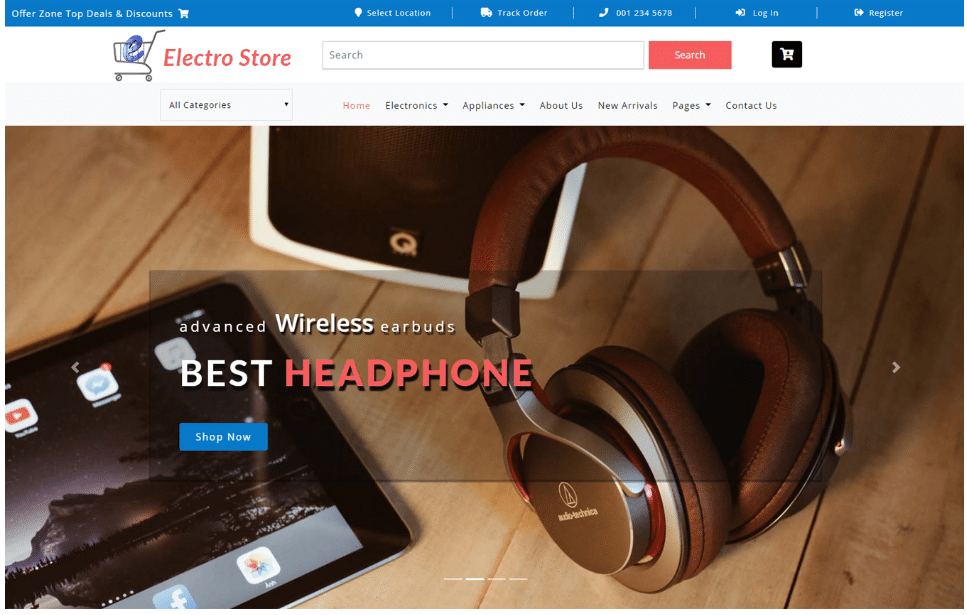
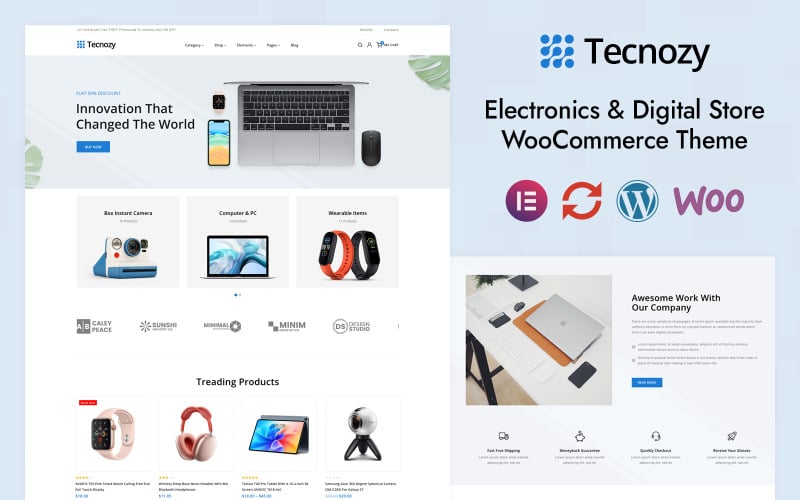
With your eCommerce platform in place, set up your online store and create a beautiful, user-friendly shopping experience. Ensure that your store is optimized for mobile devices, as mobile sales continue to grow. Utilize high-quality images, detailed product descriptions, and videos to showcase your products in the best possible light.

Pricing, Payment, and Shipping
Pricing is a critical aspect of creating and selling an online electronics product. Conduct market research to determine the optimal price for your product, factoring in production costs, competition, and target profit margins. Set up secure payment options, such as PayPal, Stripe, or Square, and configure shipping options to ensure timely delivery to your customers.
Marketing and Promoting Your Product
Creating a successful online electronics product requires more than just a functional product. Develop a robust marketing plan to reach your target audience and create a buzz around your product. Utilize social media platforms, influencer marketing, email marketing, and search engine optimization (SEO) to drive traffic to your store.
Key Features and Strategies for Online Electronics Sales
- Showcasing electronics products: Use high-quality images, videos, and detailed product descriptions to create an immersive shopping experience.
- Creating an engaging online store: Design a visually appealing store that is easy to navigate and mobile-friendly.
- Effective pricing and discounts: Conduct market research to determine the optimal price for your product and create promotions to drive sales.
- Secure payment and shipping options: Ensure that your store offers secure payment options and reliable shipping methods to prevent losses and maintain customer satisfaction.
- Market research and competitor analysis: Continuously monitor market trends, competitor activity, and customer behavior to refine your product and sales strategy.
- Continuous improvement: Regularly gather customer feedback, analyze sales data, and make informed decisions to optimize your product, pricing, and marketing strategies.
Creating a Digital Catalog and Electronic Catalogue
A digital catalog, also known as an e-catalog, is an online publication that displays products or services in an organized, searchable format. It can include multimedia elements like images, videos, or links, allowing buyers to explore products and make decisions faster. By creating an interactive digital catalog, you can showcase your products and engage your target audience in a more immersive way.