Coping with Phone Addiction: Breaking the Cycle of Compulsive Smartphone Use
The excessive use of smartphones has become a ubiquitous issue in modern society, affecting individuals of all ages and backgrounds. PHONE addiction, or the compulsive use of mobile devices, can have severe consequences on mental and physical health, relationships, and productivity. In this article, we will explore the signs, causes, and effects of phone addiction, as well as provide evidence-based strategies and treatments to help individuals regain control over their phone use.
Understanding the Signs and Causes of Phone Addiction
Phone addiction can manifest in various ways, including excessive screen time, constant notifications, and difficulty disconnecting from devices. Some common warning signs of phone addiction include:
Excessive phone use, especially in situations where it's not necessary
Using a phone to escape from stress, anxiety, or emotional pain
Feeling anxious or irritable when unable to access a phone
Neglecting important relationships, responsibilities, or activities due to phone use
Difficulty falling asleep or experiencing sleep disturbances due to phone use
Phone addiction can be caused by various factors, including:
Accessibility and convenience: Smartphones are always within reach, making it easy to constantly check and use them.
Social media and social validation: The constant need for social validation and likes can lead to compulsive phone use.
Fear of missing out (FOMO): Feeling anxious about missing important events or updates can lead to excessive phone use.
Learned behavior: Phone use can become a learned behavior, especially if it's modeled by family or friends.
Consequences of Phone Addiction
Phone addiction can have severe consequences on mental and physical health, including:
Depression and anxiety
Sleep disturbances
Eye strain and vision problems
Headaches and neck pain
Social isolation and decreased relationships
Coping with Phone Addiction
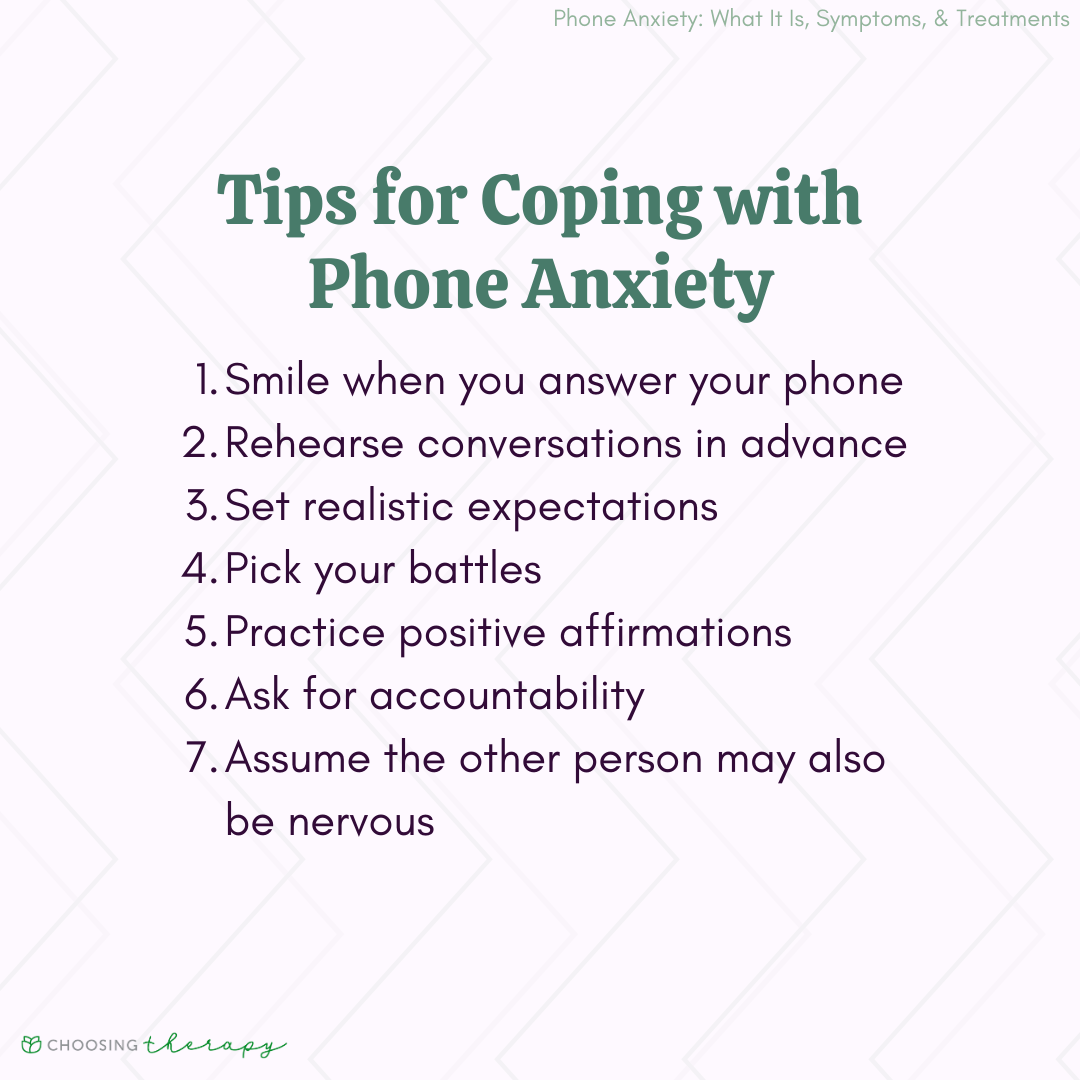
Fortunately, there are evidence-based strategies and treatments to help individuals cope with phone addiction:
Set boundaries and limitations on phone use, such as setting screen-free zones and times
Use phone-limiting apps, such as Freedom or SelfControl, to block distracting websites and apps
Practice mindfulness and meditation to manage stress and emotions
Engage in physical activities, such as exercise or sports, to reduce phone use
Seek support from friends, family, or a therapist to address underlying issues
Overcoming Phone Addiction: A Roadmap to Recovery

Coping with phone addiction requires a holistic approach that addresses the emotional, cognitive, and behavioral aspects of excessive phone use. Here's a step-by-step roadmap to recovery:
Step 1: Awareness
Recognize the signs and causes of phone addiction and accept that help is needed.
Step 2: Assessment
Assess the impact of phone addiction on life and identify areas that need improvement.
Step 3: Support
Seek support from family, friends, or a therapist to address underlying issues and develop coping strategies.
Step 4: Boundary Setting
Establish clear boundaries and limitations on phone use to reduce excessive use.
Step 5: Mindfulness and Self-Care
Practice mindfulness and self-care to manage stress and emotions, reducing the need for phone use.
Coping with phone addiction requires a commitment to change and a willingness to seek help. By understanding the signs, causes, and consequences of phone addiction, and implementing evidence-based strategies and treatments, individuals can regain control over their phone use and improve their mental and physical health.








:max_bytes(150000):strip_icc()/GettyImages-1395058273-a8dd6d40952443bc825bec3df434cd9d.jpg "Drug addiction (substance use disorder) - Mayo Clinic")