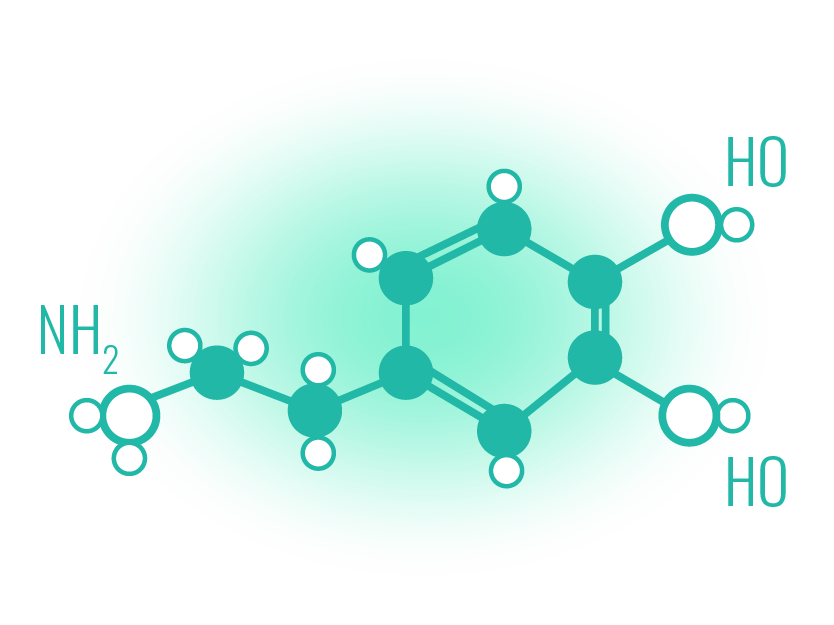
The Cycle of Dopamine Loops: Understanding the Addiction Cycle
In today's fast-paced world, it's easy to get caught up in the cycle of instant gratification. We crave constant stimulation, whether it's scrolling through our phones, snacking on unhealthy foods, or binge-watching our favorite shows. But what's behind this constant craving for more? The answer lies in the complex process known as the dopamine loop.
What is the Dopamine Loop?
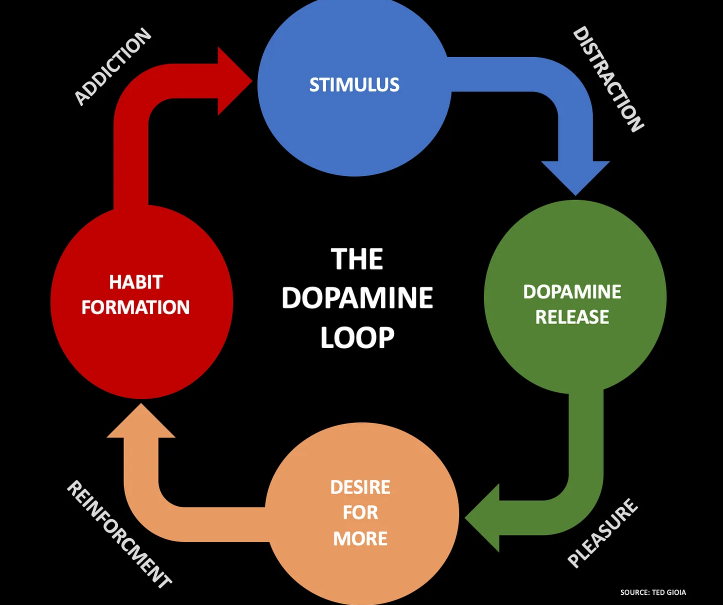
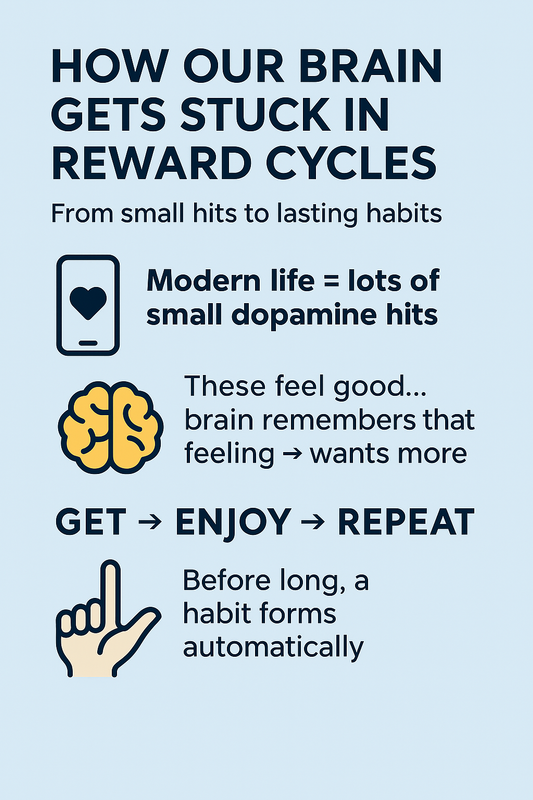
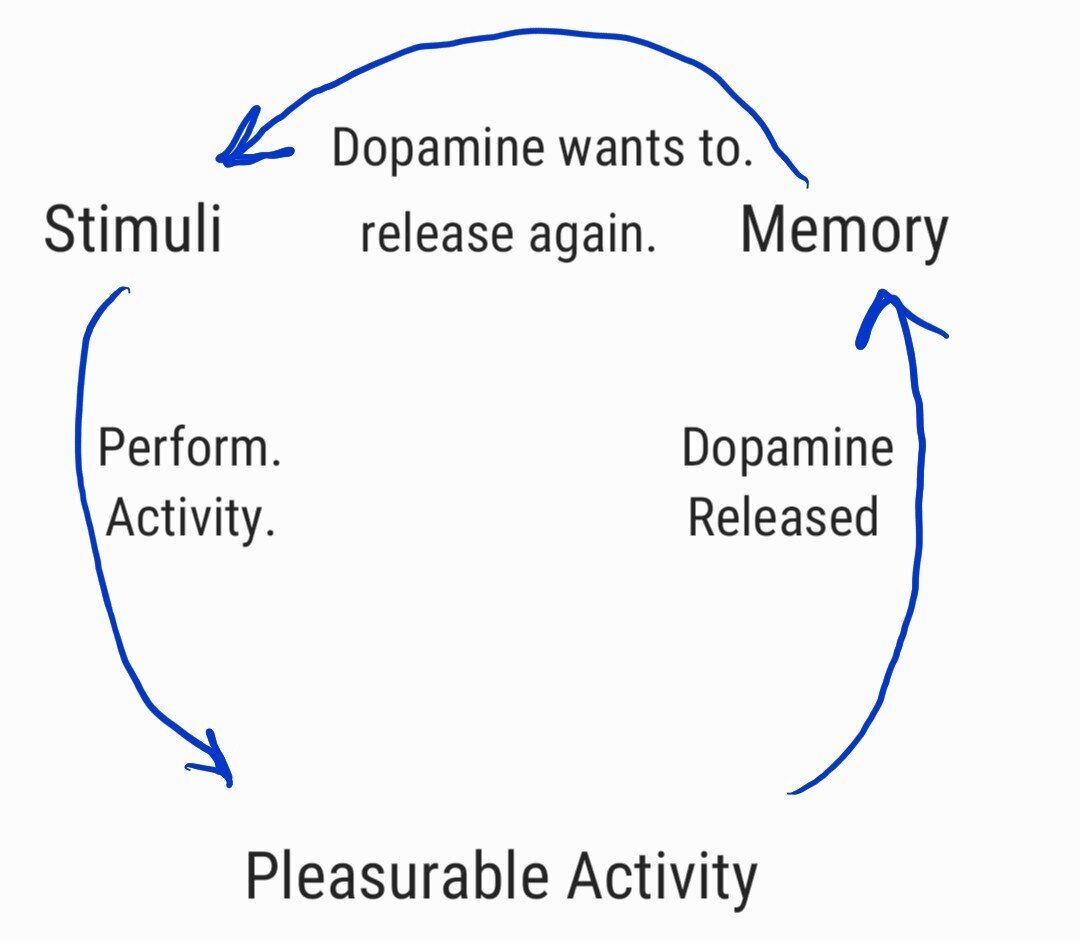
The dopamine loop is a neurobiological cycle of anticipation, action, and reward that drives motivation and habit formation. It's a fundamental process in our brains that explains why certain behaviors become compulsive and difficult to stop. When we engage in activities that trigger the release of dopamine, our brains create a feedback loop that reinforces the behavior and makes it harder to disengage.
How Does the Dopamine Loop Work?
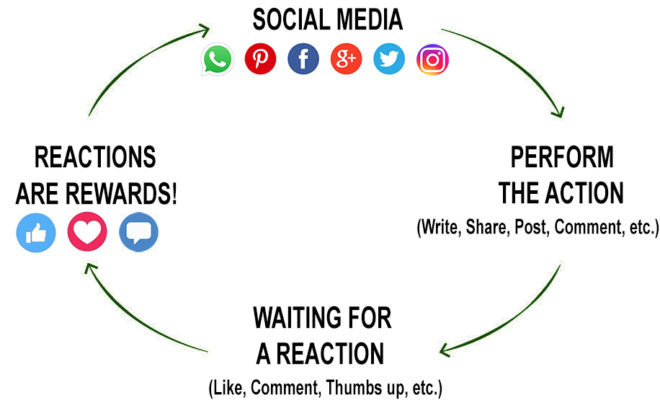
- Anticipation:** We anticipate a reward or pleasure from a particular activity, whether it's scrolling through social media or playing a video game.
- Action:** We take action to achieve that reward, whether it's swiping through our phones or clicking on a video.
- Reward:** Our brains release dopamine in response to the reward or pleasure we anticipated. This reinforces the behavior and creates a feedback loop.
- Craving:** Our brains crave more of that dopamine release, creating a cycle of compulsive behavior.
The Consequences of the Dopamine Loop
The dopamine loop can lead to a range of negative consequences, including:
- Adoption of unhealthy habits, such as excessive screen time or eating disorders.
- Impaired cognitive function, including reduced attention span and memory.
- Increased stress and anxiety, as our brains are constantly seeking the next dopamine hit.
Breaking the Cycle of Dopamine Loops
So, how can we break the cycle of dopamine loops and develop healthier habits? Here are some strategies to get you started:
- Self-awareness:** Recognize when you're engaging in compulsive behavior and acknowledge the triggers.
- Set boundaries:** Establish limits on your screen time, social media use, or other addictive behaviors.
- Find alternative rewards:** Engage in activities that provide a sense of accomplishment or pleasure without triggering the dopamine loop.
- Practice mindfulness:** Regular mindfulness practice can help you develop greater self-awareness and disrupt the dopamine loop.
Conclusion
The dopamine loop is a powerful force that drives our behavior and motivates us to engage in certain activities. While it can lead to negative consequences, it also has the potential to be harnessed for good. By understanding the cycle of dopamine loops and adopting strategies to break the cycle, we can develop healthier habits and a greater sense of control over our lives.
Additional Resources
For more information on the dopamine loop and strategies to break the cycle, check out these additional resources: Video on the dopamine loop, Article on the cognitive biases that drive the dopamine loop, and Website dedicated to understanding and leveraging the power of dopamine.