Symptoms of Chronic Digital Fatigue: Recognizing the Warning Signs
Do you often find yourself spending hours staring at screens, only to feel drained and exhausted afterwards? You're not alone. Chronic digital fatigue is a growing concern in today's tech-driven world, affecting millions of people worldwide. In this article, we'll delve into the symptoms of chronic digital fatigue, exploring what they are, why they occur, and how you can manage them.
What is Chronic Digital Fatigue?
Chronc digital fatigue refers to the combination of physical stress, emotional exhaustion, and mental fatigue that comes from chronic overuse of electronic devices at work or in our personal lives. With the constant bombardment of notifications, emails, and social media updates, it's easy to get sucked into a cycle of digital dependency, leading to burnout and fatigue.
Symptoms of Chronic Digital Fatigue
The symptoms of chronic digital fatigue can be sneaky, masquerading as other conditions or simply being brushed off as a minor issue. However, if left untreated, these symptoms can lead to more serious problems, including:
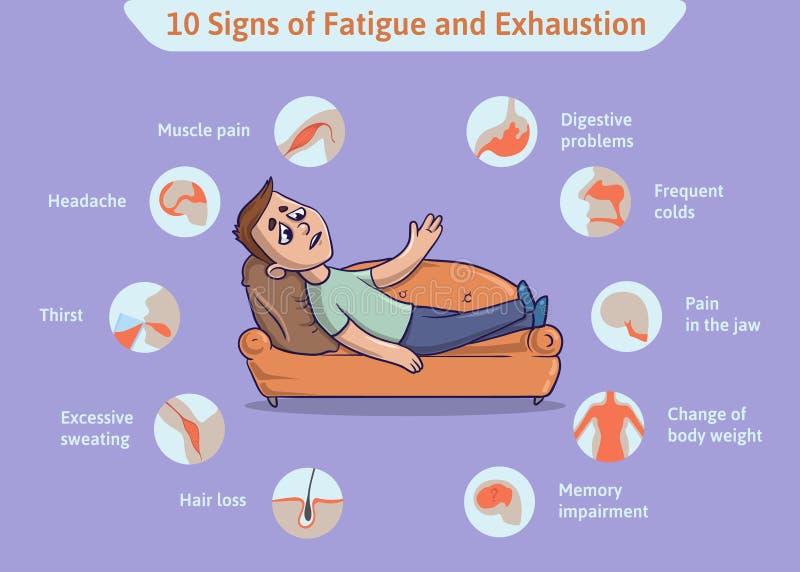
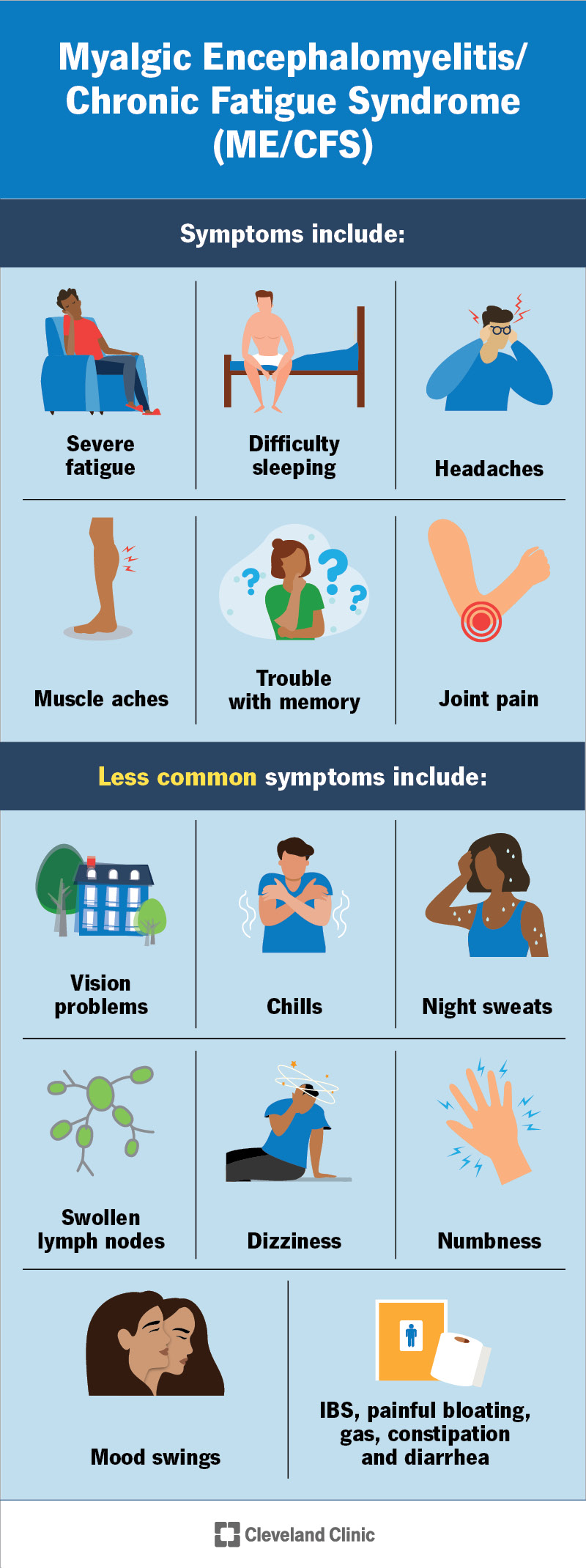
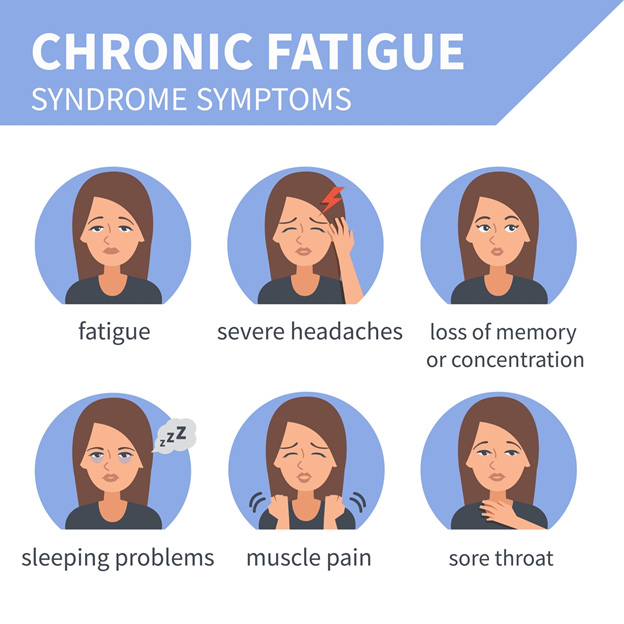
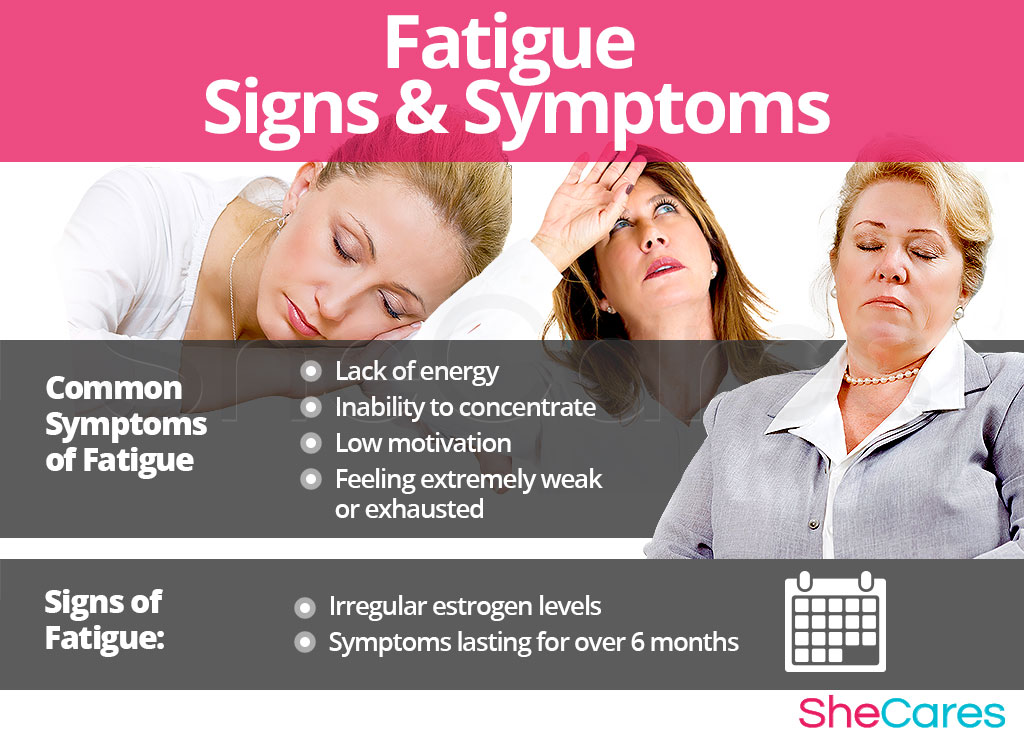
- Low energy levels: Feeling tired, sluggish, or lacking motivation, even after a full night's sleep.
- Lack of concentration: Struggling to focus, pay attention, or make decisions.
- Anxiety and overwhelm: Feeling stressed, anxious, or overwhelmed by digital demands.
- Mood swings: Experiencing irritability, mood swings, or depression.
- Sensitivity to light: Feeling irritated, sensitive, or experiencing eye strain.
- Headaches and migraines: Experiencing frequent or severe headaches.
- Difficulty sleeping: Struggling to fall asleep, stay asleep, or experiencing insomnia.
- Sensitivity to sound: Feeling annoyed or disoriented by digital noises.
- Physical complaints: Experiencing aches, pains, or discomfort in the neck, back, or arms.
Causes of Chronic Digital Fatigue
Chronic digital fatigue can be caused by a variety of factors, including:
- Excessive screen time: Spending hours on end staring at screens, without breaks or downtime.
- Digital addiction: Feeling constantly connected, checking devices compulsively, and experiencing withdrawal symptoms when disconnected.
- Lack of digital literacy: Feeling overwhelmed by digital demands, lack of digital skills, or uncertainty about how to use technology effectively.
- Workplace stress: Feeling pressured to be constantly available, responding to emails or messages outside work hours, or experiencing job demands that lead to burnout.
- Poor ergonomics: Working in an environment that promotes good posture, eye strain, or physical discomfort.
Managing Chronic Digital Fatigue
Managing chronic digital fatigue requires a combination of digital detox, self-care, and healthy habits. To start, try:
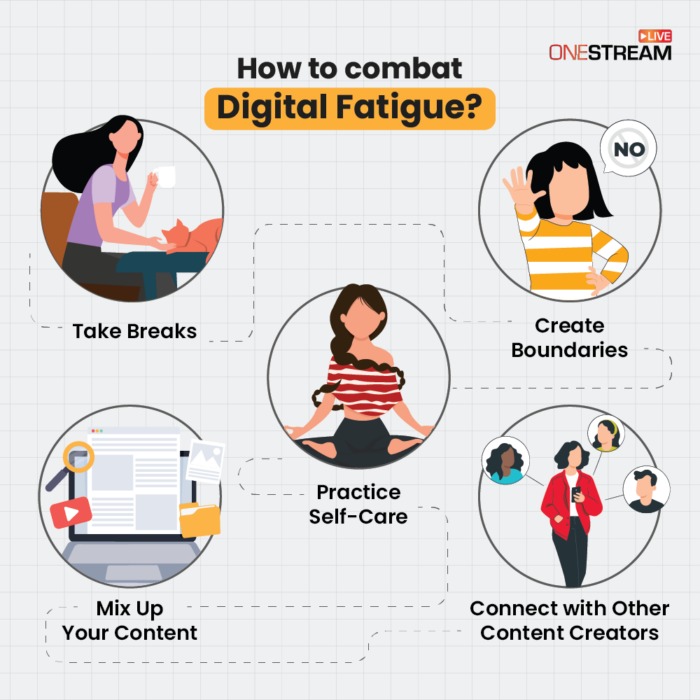
- Setting boundaries: Establishing clear digital boundaries, such as not checking devices before bed or during meals.
- Practicing self-care: Engaging in activities that promote relaxation, such as meditation, yoga, or deep breathing exercises.
- Using digital tools: Utilizing apps, software, or other digital tools that help manage digital demands and promote productivity.
- Getting enough rest: Prioritizing sleep, taking breaks, and engaging in activities that help regulate sleep patterns.
- Engaging in physical activity: Regularly exercising, walking, or engaging in physical activities that promote energy and well-being.
Conclusion
Chronic digital fatigue is a growing concern in today's tech-driven world. By recognizing the symptoms, causes, and managing them effectively, we can reduce the risks associated with digital dependency and promote digital health and well-being. Remember, a balanced lifestyle that prioritizes self-care, physical activity, and digital detox can help mitigate the symptoms of chronic digital fatigue.

:max_bytes(150000):strip_icc()/what-is-chronic-fatigue-syndrome-716113_final-489f8a8099b04b389419d129981eae75.png "Digital Fatigue in 2025: 10 Signs You're Burned Out by Tech (And How to ...")

:max_bytes(150000):strip_icc()/fatigue-symptoms-causes-diagnosis-and-treatment-4768481-v1-739a8adb0d6643efb6159799ebff84a9.jpg "Understanding Digital Burnout and Neurological Health")