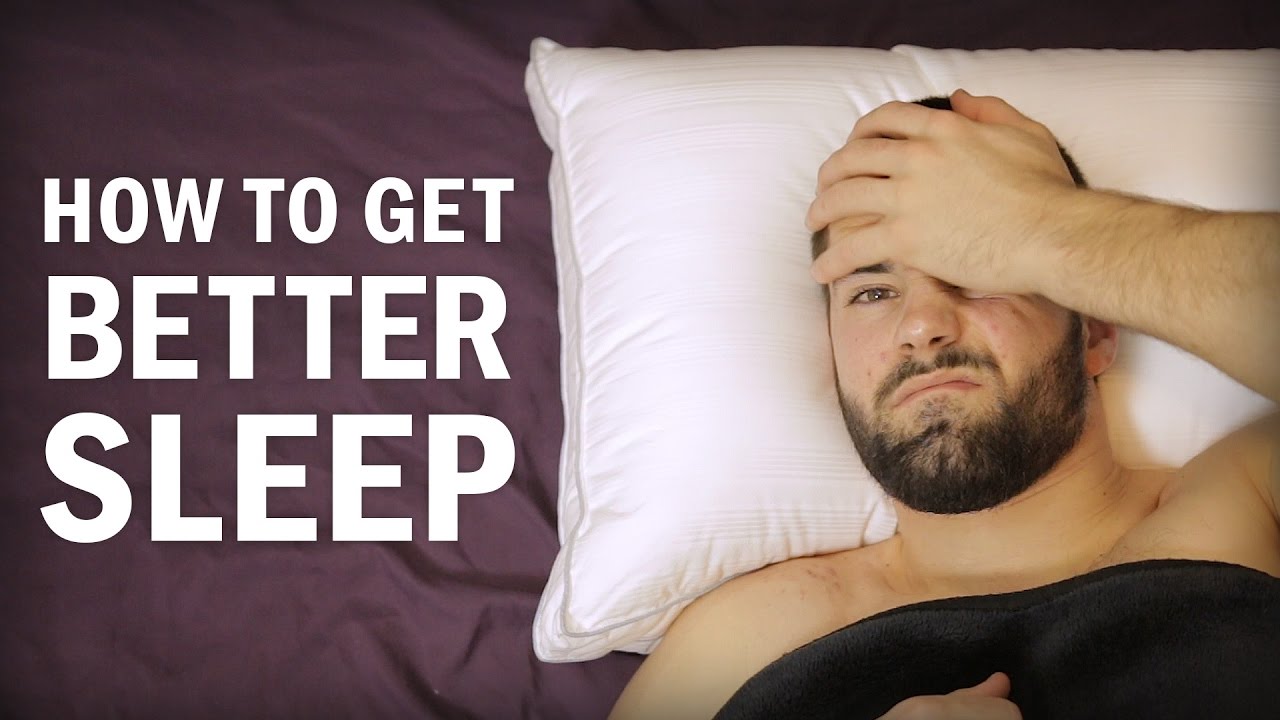
Unrivaled Sleep Tips for Falling Asleep Fast After Work: Unlocking a Blissful Night's Rest
Hello, Sleep Seekers!
If you're tired of tossing and turning, struggling to drift off to sleep after a long day at work, you're not alone. Millions of people around the world face this common conundrum. The good news is that there are simple yet effective sleep tips that can help you fall asleep fast and wake up feeling revitalized. In this article, we'll dive into the best strategies to help you overcome sleep challenges and enjoy a restful night's sleep.
Why Falling Asleep Fast is Crucial
Getting enough quality sleep is essential for both physical and mental well-being. When we don't get sufficient rest, our bodies can't repair and recharge, leading to fatigue, decreased productivity, and a weakened immune system. Furthermore, chronic sleep deprivation can contribute to anxiety, depression, and other mental health issues. By incorporating these sleep tips for falling asleep fast after work, you'll be better equipped to tackle tomorrow's challenges and live a healthier, happier life.
10 Proven Sleep Tips for Falling Asleep Fast
1. Establish a Consistent Sleep Schedule
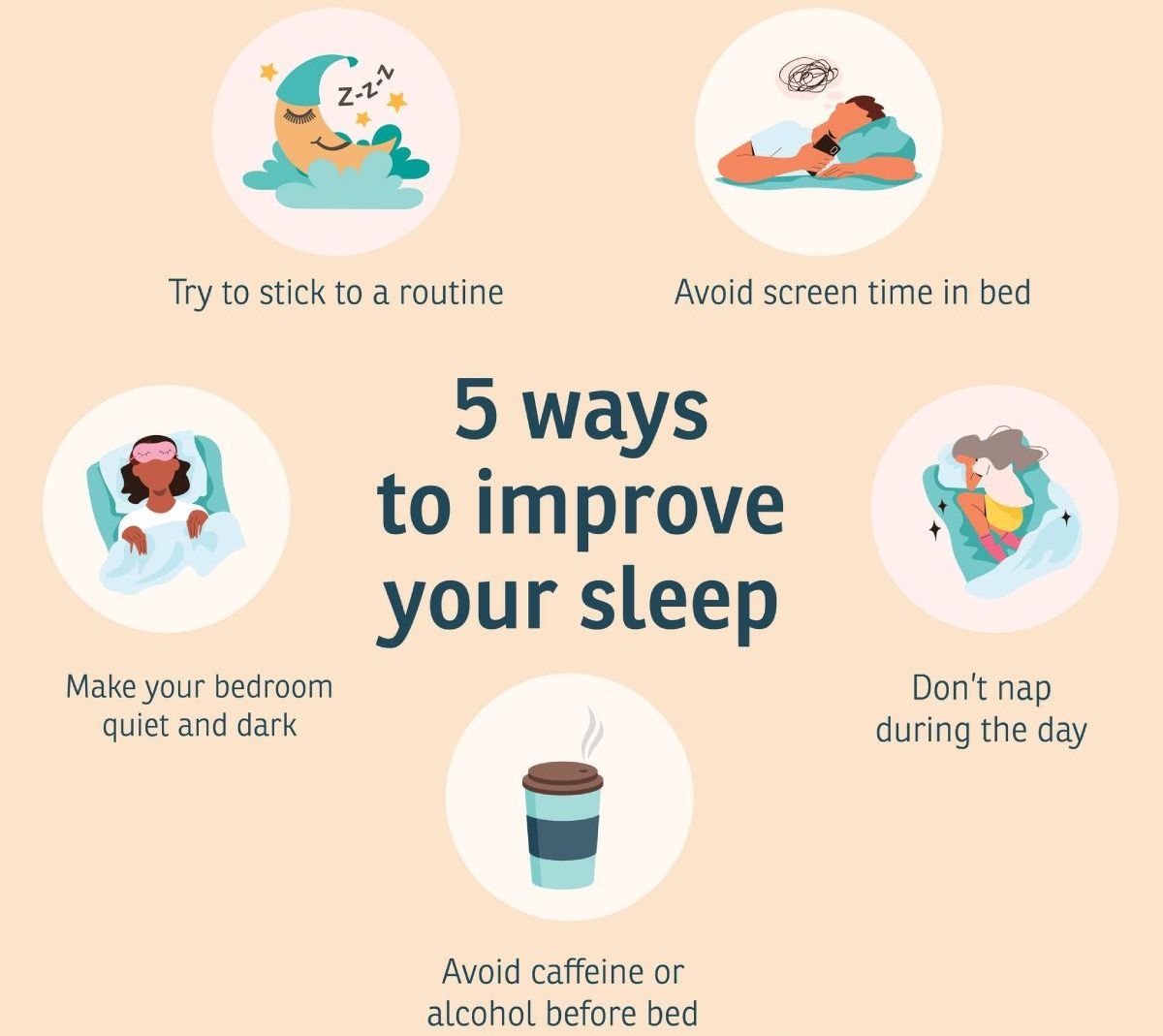
Going to bed and waking up at the same time every day helps regulate your body's internal clock, making it easier to fall asleep and wake up. Aim for 7-9 hours of sleep each night.
2. Create a Relaxing Sleep Environment
Make your bedroom a sleep sanctuary by ensuring it's dark, quiet, and cool. Invest in comfortable bedding and consider using earplugs, a white noise machine, or blackout curtains if necessary.
3. Develop a Bedtime Routine
Wind down with a calming pre-sleep routine, such as reading a book, taking a warm bath, or practicing gentle stretches. Avoid screens for at least an hour before bed, as the blue light can interfere with your sleep-wake cycle.
4. Exercise Regularly, but Not Before Bed
Regular physical activity can help improve sleep quality, but be sure to finish your workout a few hours before bedtime. Exercise can stimulate your body, making it harder to fall asleep if done too close to bedtime.
5. Limit Caffeine and Nicotine

Avoid consuming caffeine and nicotine in the afternoon and evening, as they can disrupt sleep patterns and make it harder to fall asleep.
6. Try Progressive Muscle Relaxation
This technique involves tensing and relaxing different muscle groups to release physical tension and promote relaxation. Find a quiet space, and take a few minutes to focus on each muscle group, starting from your toes and moving up to your head.
7. Use the 4-7-8 Breathing Technique
Also known as the "relaxation breath," this method involves inhaling through your nose for a count of 4, holding your breath for 7, and exhaling through your mouth for 8. This can help slow down your heart rate and calm your mind.
8. Avoid Stimulating Activities Before Bed
Avoid engaging in activities that can stimulate your brain, such as watching exciting movies, playing video games, or engaging in intense conversations, at least an hour before bedtime.
9. Get Some Morning Sunlight
Exposure to natural sunlight in the morning helps regulate your circadian rhythms, making it easier to fall asleep at night.
10. Consider Melatonin Supplements
Melatonin is a hormone that regulates sleep-wake cycles. If you're struggling to fall asleep, consider talking to your healthcare provider about taking a melatonin supplement. However, always follow their guidelines and consult with a professional before adding any new supplements to your routine.
Conclusion
Falling asleep fast after work is within reach with the right sleep tips and habits. By incorporating these strategies into your daily routine, you'll be better equipped to tackle tomorrow's challenges and enjoy a restful night's sleep. Remember, everyone's sleep needs are unique, so it's essential to experiment and find what works best for you. Don't let sleep deprivation hold you back – unlock the secrets to falling asleep fast and wake up feeling refreshed and revitalized.