Setup Multiple Monitors with Laptop: A Comprehensive Guide
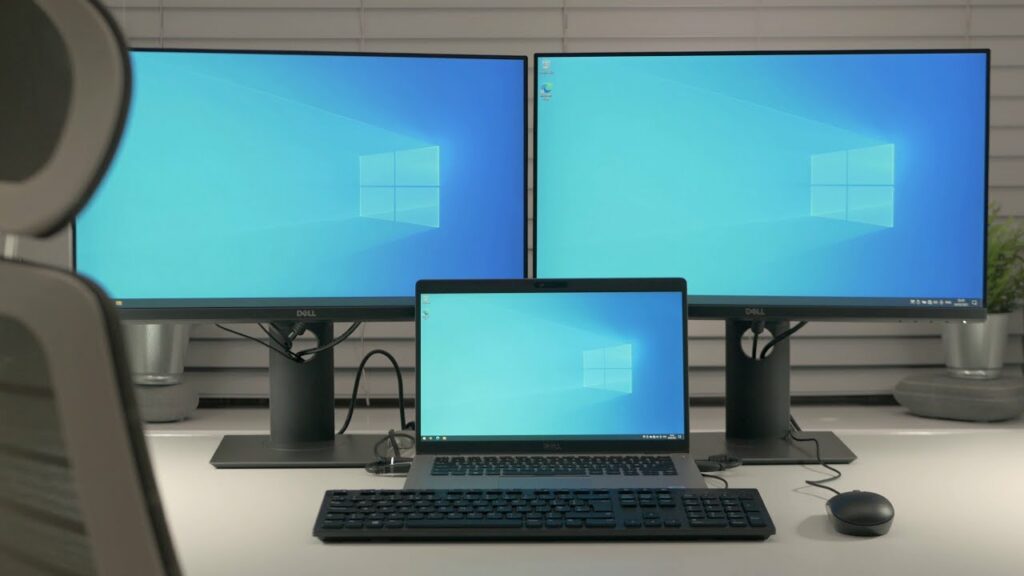
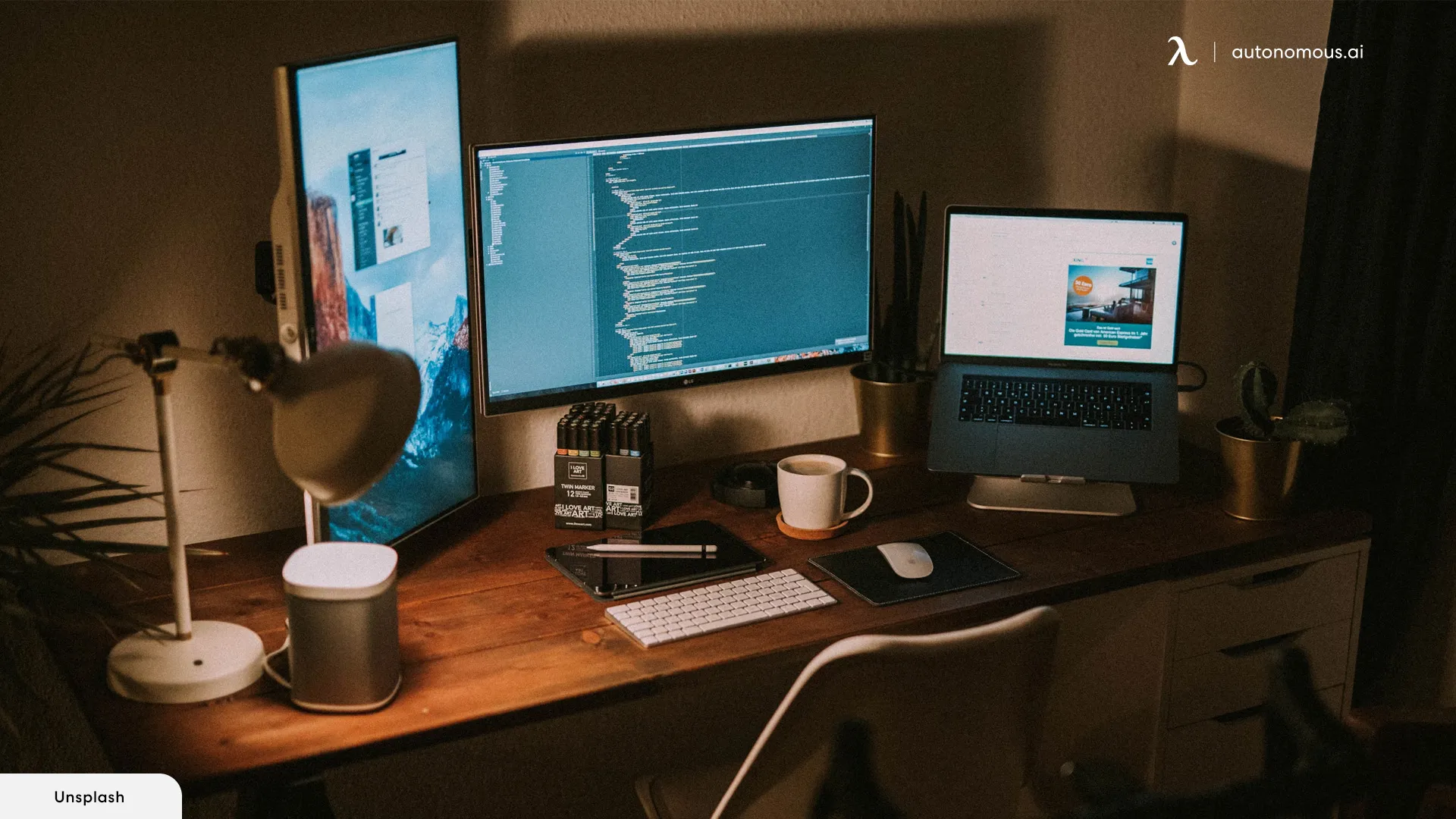
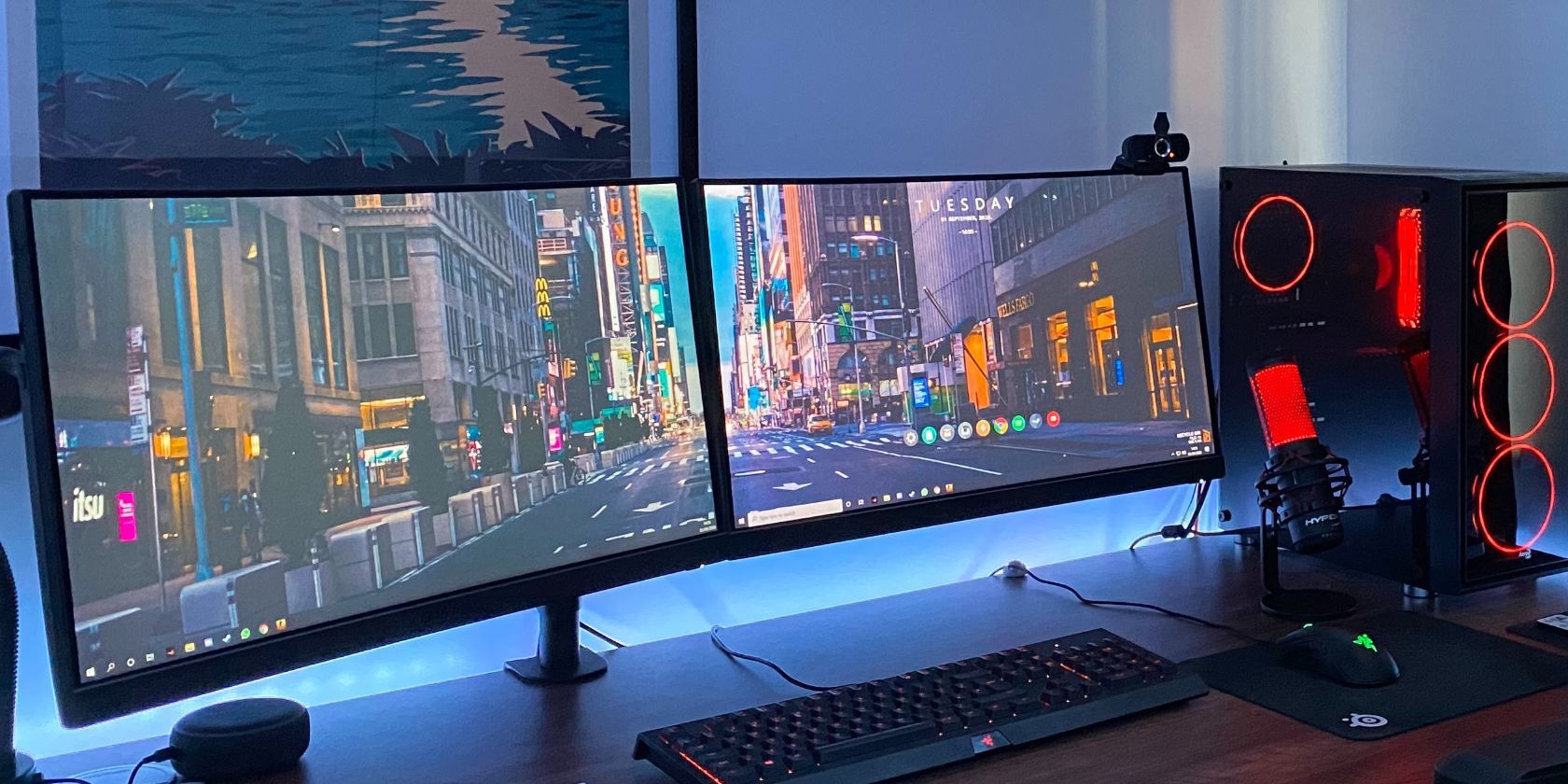
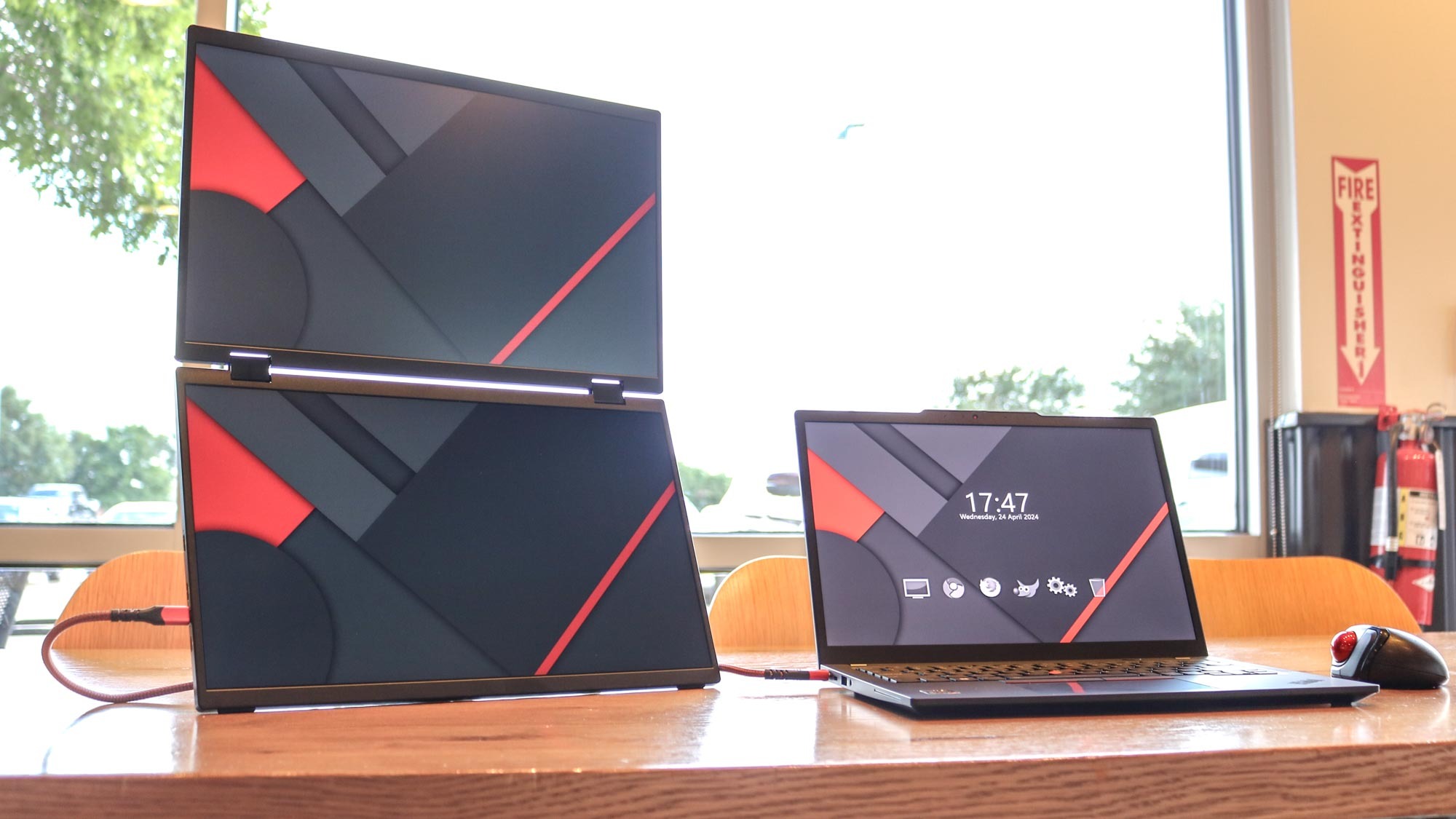
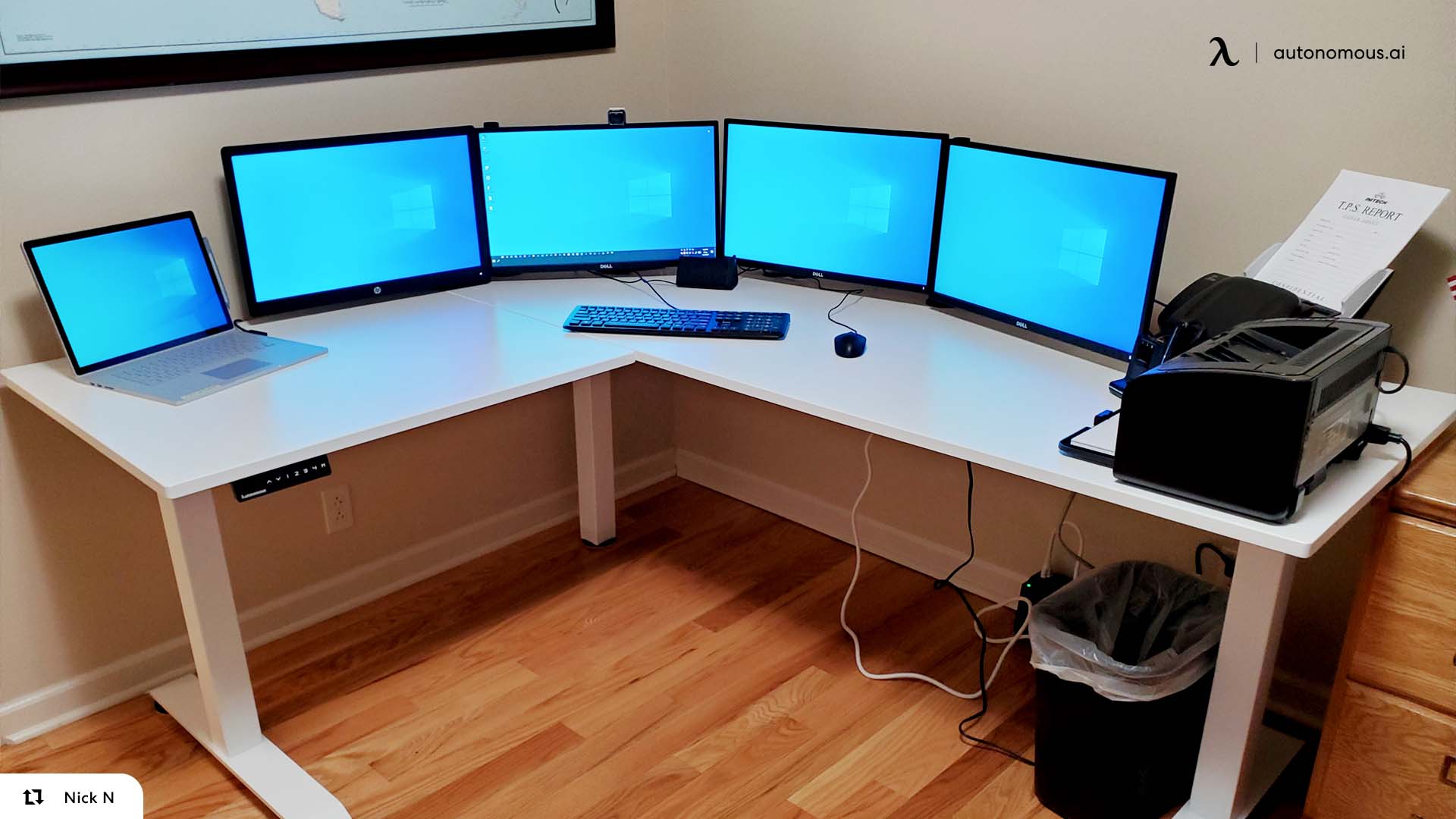
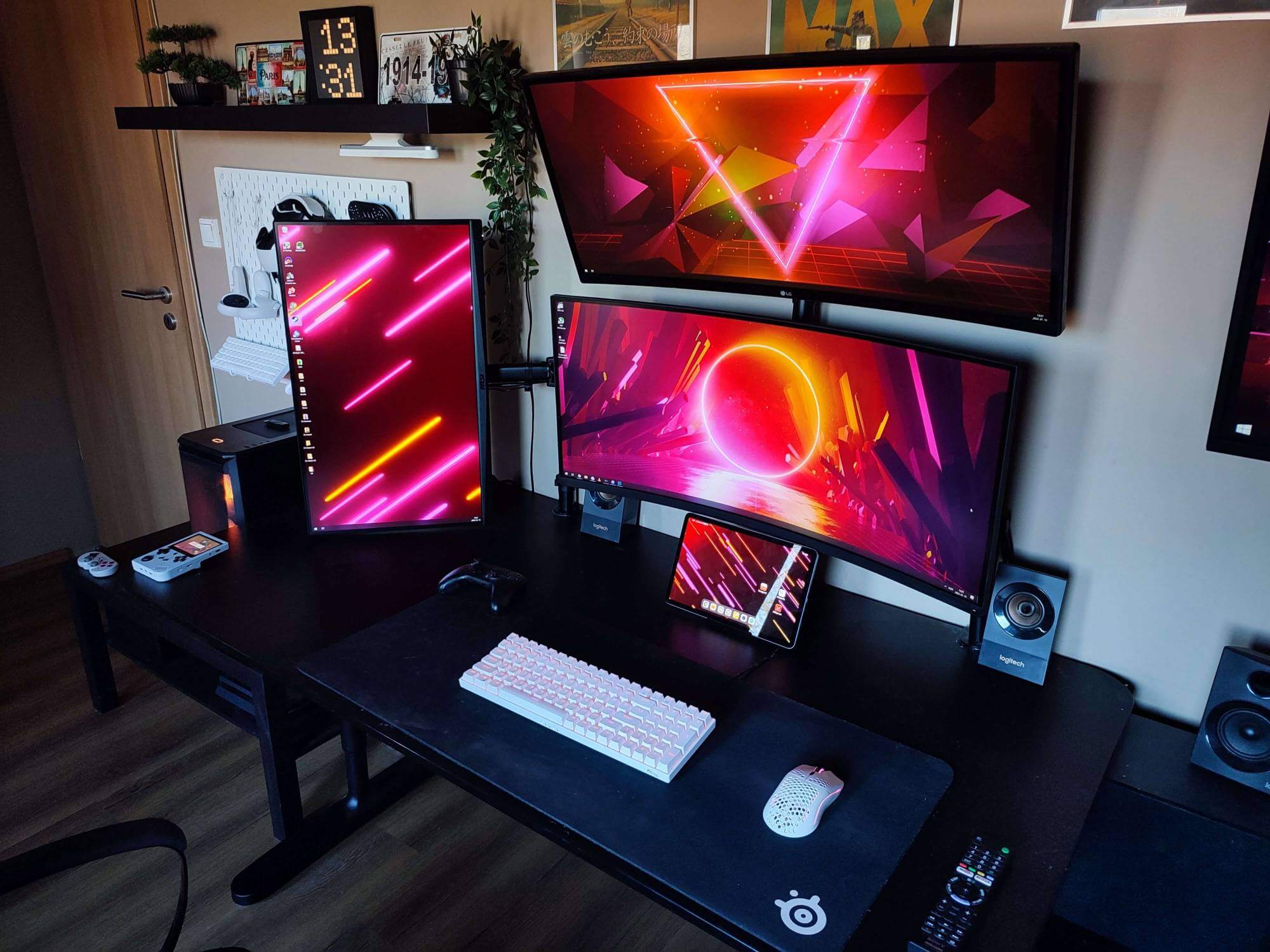
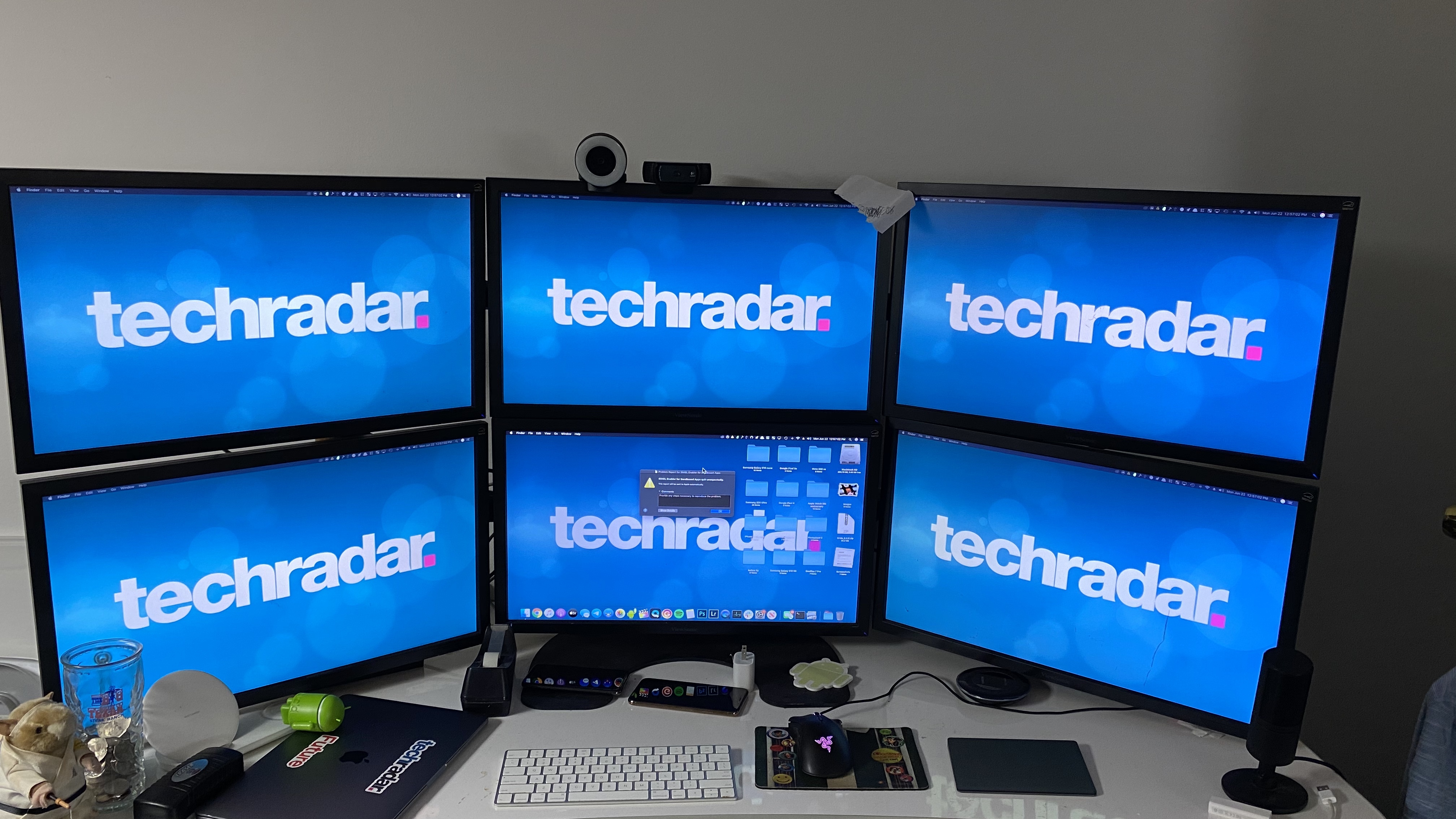
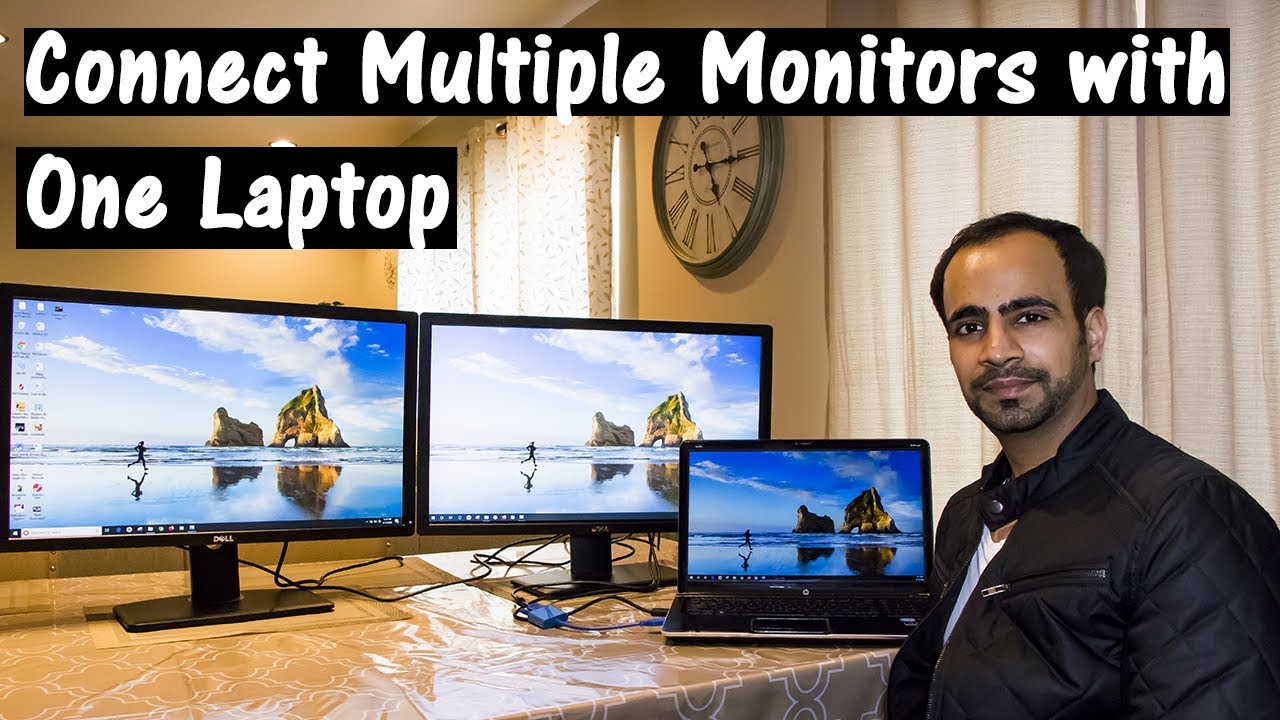
Are you looking to enhance your productivity, gaming experience, or creative endeavors with a multi-monitor setup? Look no further! In this article, we will guide you through the process of setting up multiple monitors with your laptop, covering the benefits, hardware requirements, and step-by-step instructions.
Benefits of Multiple Monitors
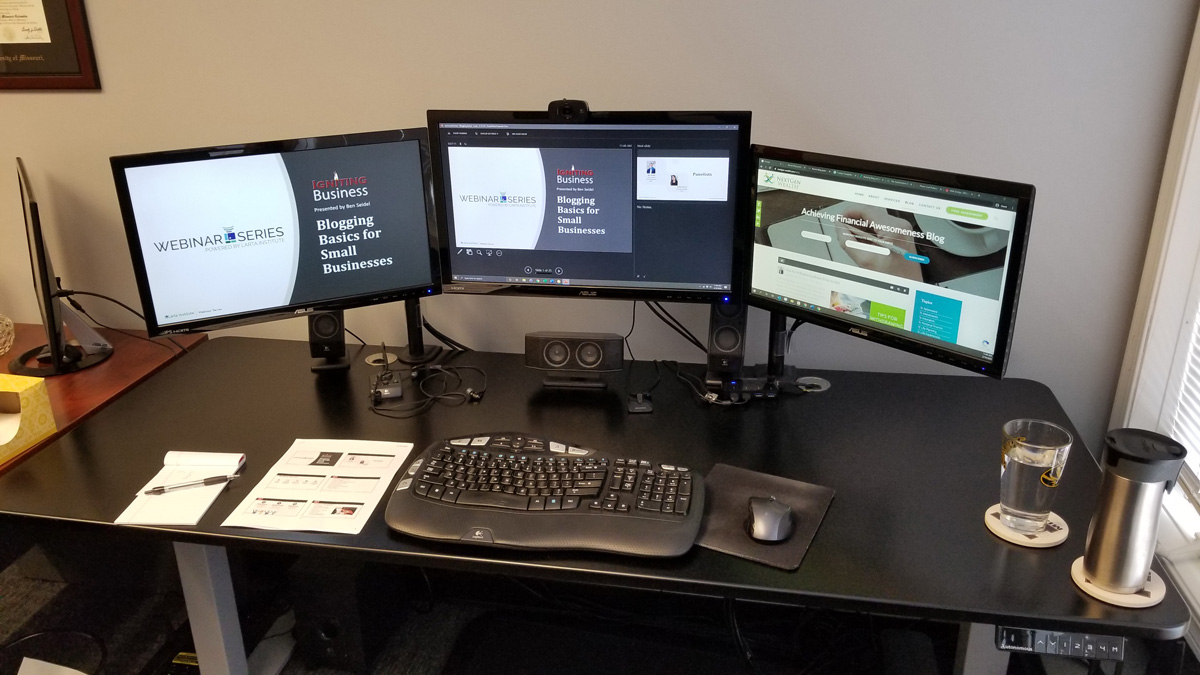
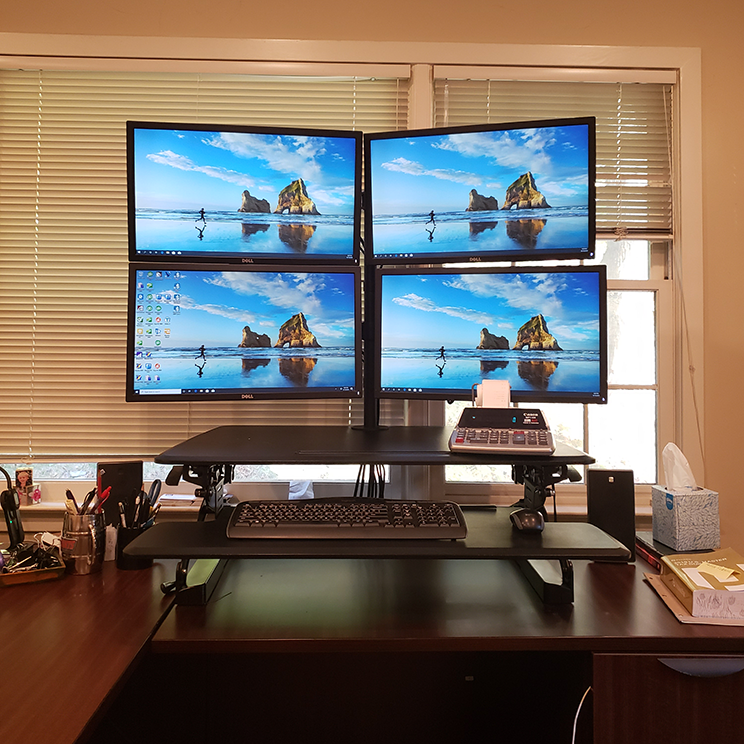
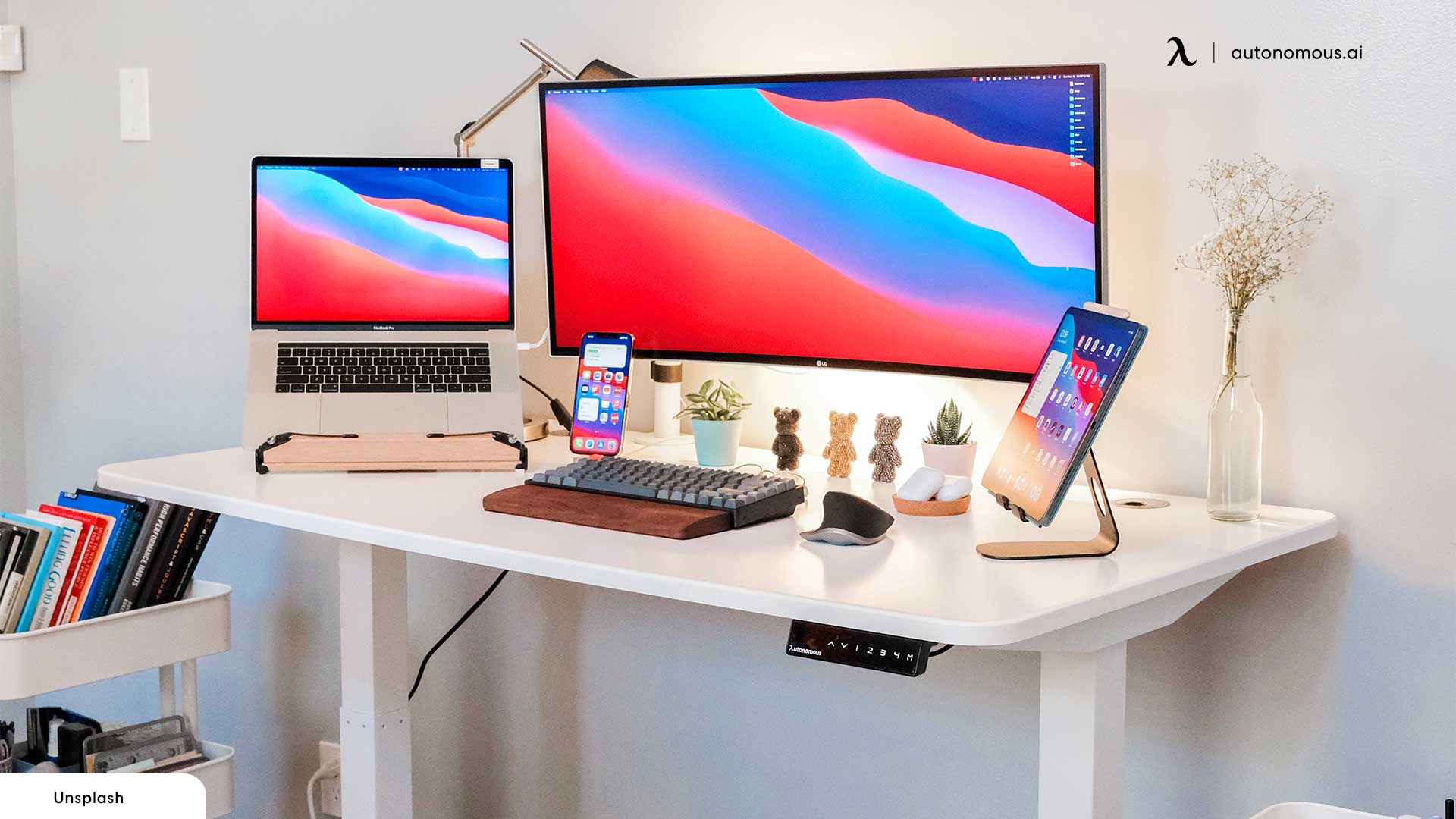
Using multiple monitors with your laptop offers several advantages, including:
- Increased productivity: With multiple screens, you can have multiple windows open at the same time, making it easier to multitask and complete tasks efficiently.
- Enhanced gaming experience: Multiple monitors provide a wider field of view, making games more immersive and engaging.
- Improved creativity: Multiple screens offer more space for creative applications, such as graphic design, video editing, and music production.
- Reduced eye strain: With multiple monitors, you can position your screens to reduce eye movement and strain.
Hardware Requirements
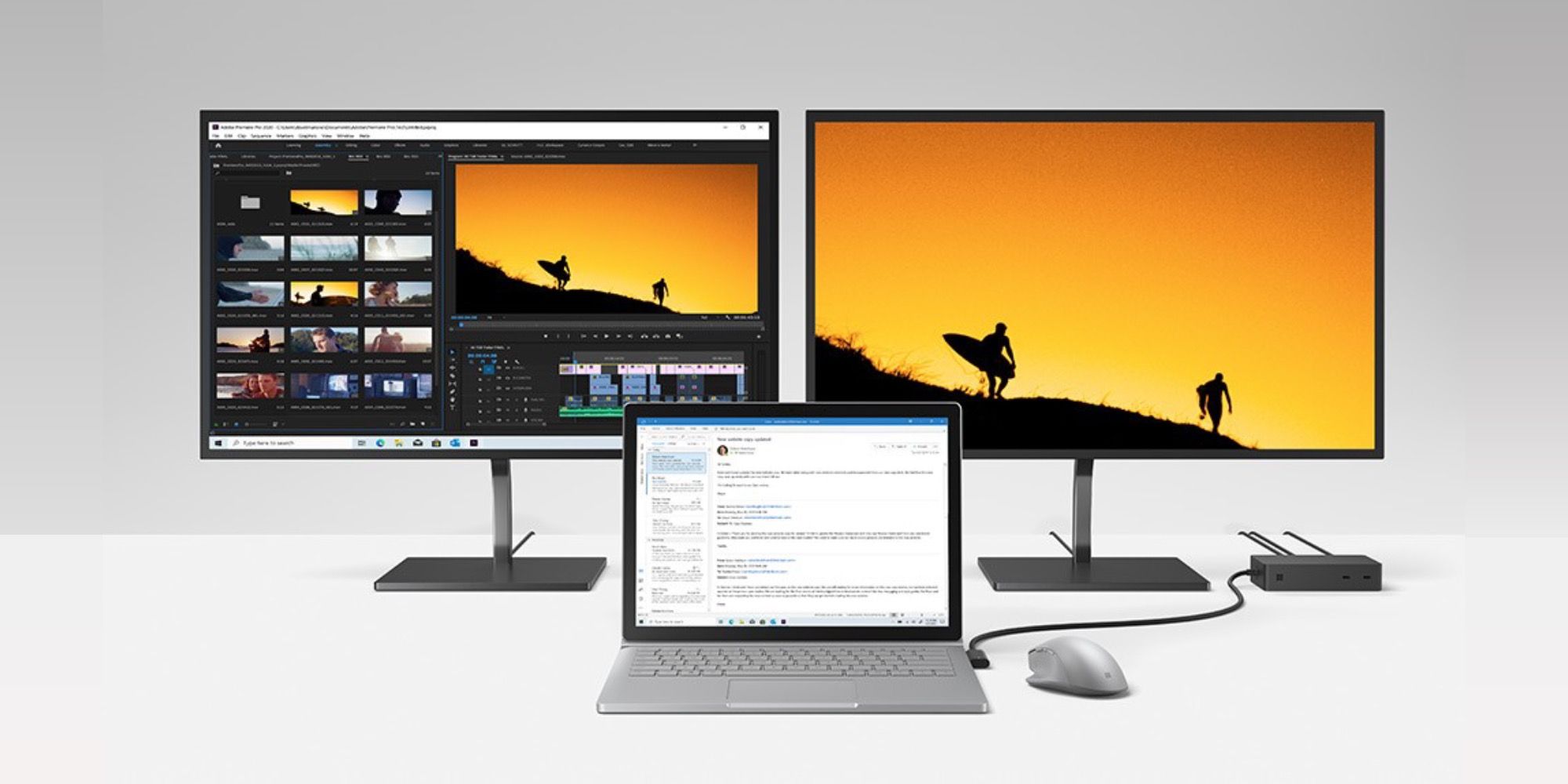
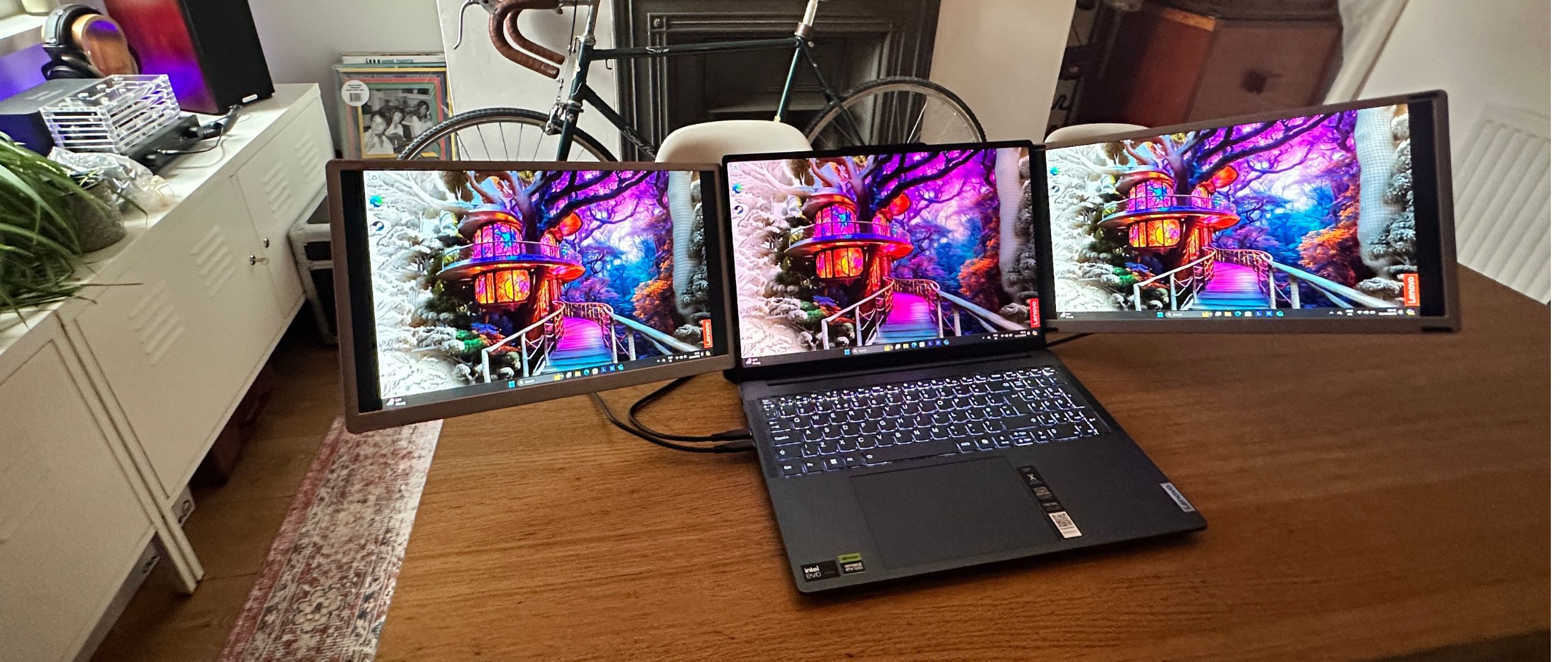
To set up multiple monitors with your laptop, you will need the following hardware:
- Laptop with a video output (e.g., HDMI, DisplayPort, or USB-C)
- External monitors (or TVs/projectors) with the corresponding video input
- Cables to connect the laptop to the monitors (e.g., HDMI, DisplayPort, or USB-C cables)
- A docking station or adapter (optional)
Step-by-Step Instructions
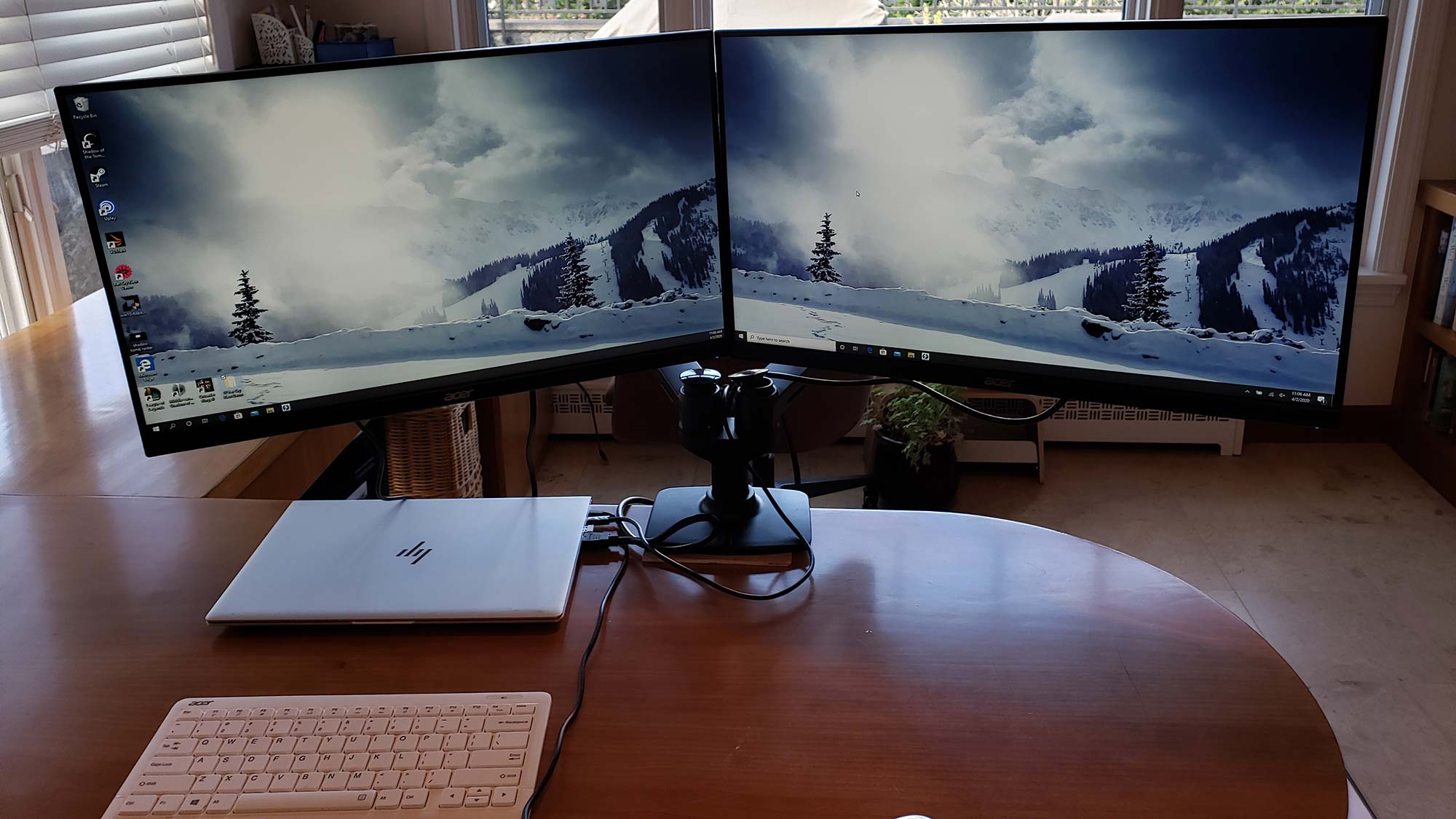
To set up multiple monitors with your laptop, follow these steps:
- Connect the laptop to the monitors using the corresponding cables.
- Turn on the laptop and monitors.
- Press the Windows key + P on your laptop to open the Display settings.
- Click on "Detect" to allow Windows to detect the external monitors.
- Click on the "Extend" button to extend the desktop to the external monitors.
- Adjust the display settings as needed, such as display style, screen resolution, and color depth.
Additional Tips and Considerations
Here are some additional tips and considerations to keep in mind when setting up multiple monitors with your laptop:
- Make sure the monitors are turned on and set to the correct input source before connecting them to the laptop.
- Use the correct cables to connect the laptop to the monitors to ensure optimal performance.
- Adjust the display settings to optimize the performance of the external monitors.
- Consider using a docking station or adapter to simplify the connection process and improve performance.
Conclusion
Setting up multiple monitors with your laptop is a straightforward process that can significantly enhance your productivity, gaming experience, or creative endeavors. By following the steps outlined in this article, you can easily connect multiple monitors to your laptop and start enjoying the benefits of a multi-monitor setup.