Setup VPN on Home Network: A Comprehensive Guide
In today's digital age, having a secure and private internet connection is more important than ever. One of the most effective ways to achieve this is by setting up a Virtual Private Network (VPN) on your home network. A VPN creates a secure tunnel between your device and the internet, hiding your IP address and encrypting your traffic. In this article, we'll guide you through the process of setting up a VPN on your home network, ensuring you're protected from online threats and maintain your online freedom.
Why Set Up a VPN on Your Home Network?
- Enhanced Security: A VPN protects your data from hackers and malicious entities trying to intercept your online activities.
- Increased Privacy: By hiding your IP address, a VPN prevents third-party tracking and online surveillance.
- Access Geo-Blocked Content: With a VPN, you can access geo-restricted content from anywhere in the world, without worrying about censorship.
- Protect Family Devices: By setting up a VPN on your home network, you can protect all devices connected to your network, including family members' devices.
Picking a Reliable VPN Provider
The first step in setting up a VPN on your home network is to choose a reliable VPN provider. Consider the following factors when selecting a VPN provider:
- Server Network: Look for a provider with a wide server network, including servers in your region and other countries.
- Security Features: Ensure the provider offers robust security features, including encryption, kill switch, and DNS leak protection.
- Speed and Performance: Opt for a provider with fast speeds and reliable performance.
- Compatibility: Choose a provider that offers apps for your devices and operating system.
Setting Up a VPN on Your Router
Setting up a VPN on your router is a convenient way to secure all devices connected to your network. Here's a step-by-step guide:
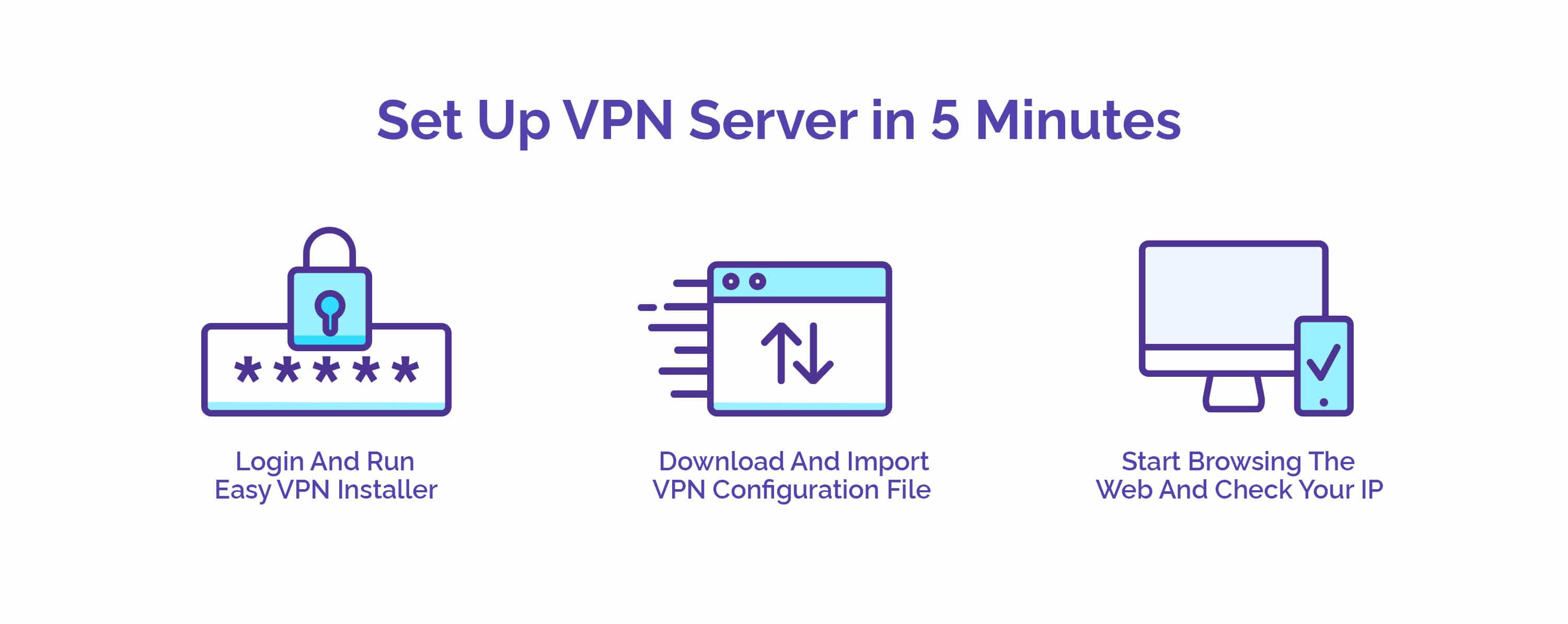
- Select a compatible VPN provider and log into your router.
- Find the VPN client tab and follow the provider's guidelines for setup.
- Configure your router's VPN settings, including the VPN server and encryption protocols.
- Save your changes and reboot your router.
- Verify that your VPN is working correctly by checking your IP address and encryption status.

Creating Your Own VPN Server at Home
Creating your own VPN server at home is a free alternative to using a commercial VPN service. Here are four methods to create your own VPN server:
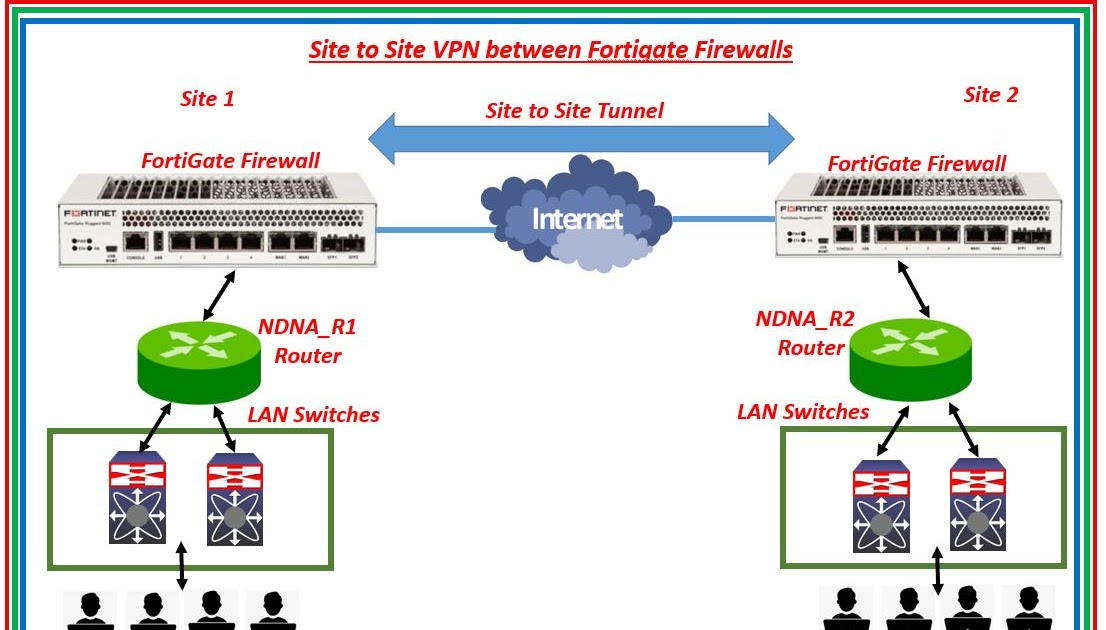
- Router-Based Method: Use your router to create a VPN server, providing secure access to your network.
- Raspberry Pi Method: Utilize a Raspberry Pi to create a VPN server, offering a cost-effective and DIY solution.
- NAS Method: Configure your Network-Attached Storage (NAS) device to act as a VPN server, providing secure access to your network.
- Third-Party Tools Method: Use third-party tools, such as OpenVPN or WireGuard, to create a VPN server on your device.
Using a VPN Service
If you prefer not to create your own VPN server, you can use a commercial VPN service. Here are the benefits of using a VPN service:
- Ease of Use: Most VPN services offer user-friendly apps and easy setup processes.
- Robust Security: Commercial VPN services provide robust security features, including encryption and kill switch.
- Wide Server Network: VPN services offer a wide server network, including servers in various countries.
Conclusion
Setting up a VPN on your home network is a simple and effective way to enhance your online security and privacy. By following this comprehensive guide, you'll be able to choose a reliable VPN provider, set up a VPN on your router, or create your own VPN server at home. Remember to always prioritize your online security and take the necessary steps to protect your data and online freedom.