Rapid Eye Movement Sleep: The Fourth Stage of Sleep
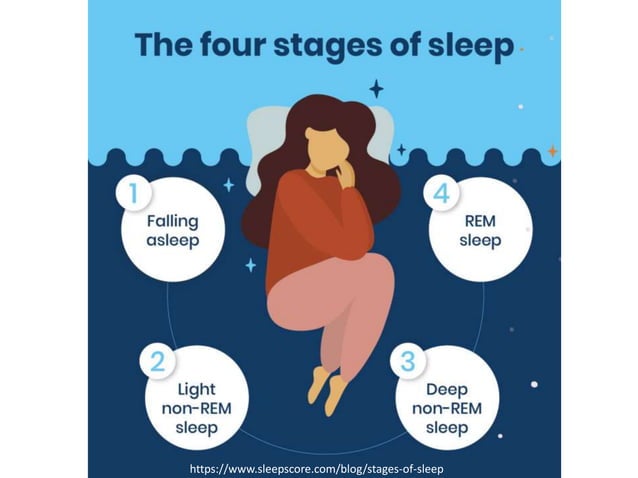
Rapideyemovement sleep, also known as REM sleep, is the fourth and final stage of sleep. During this stage, your body experiences vivid and intense dreams, increased brain activity, limited musclemovement, and fluctuating respiration and heart rate. In this blog, we will delve into the world of REM sleep and explore its unique characteristics, regulation, and importance in our overall health.
What is REM Sleep?
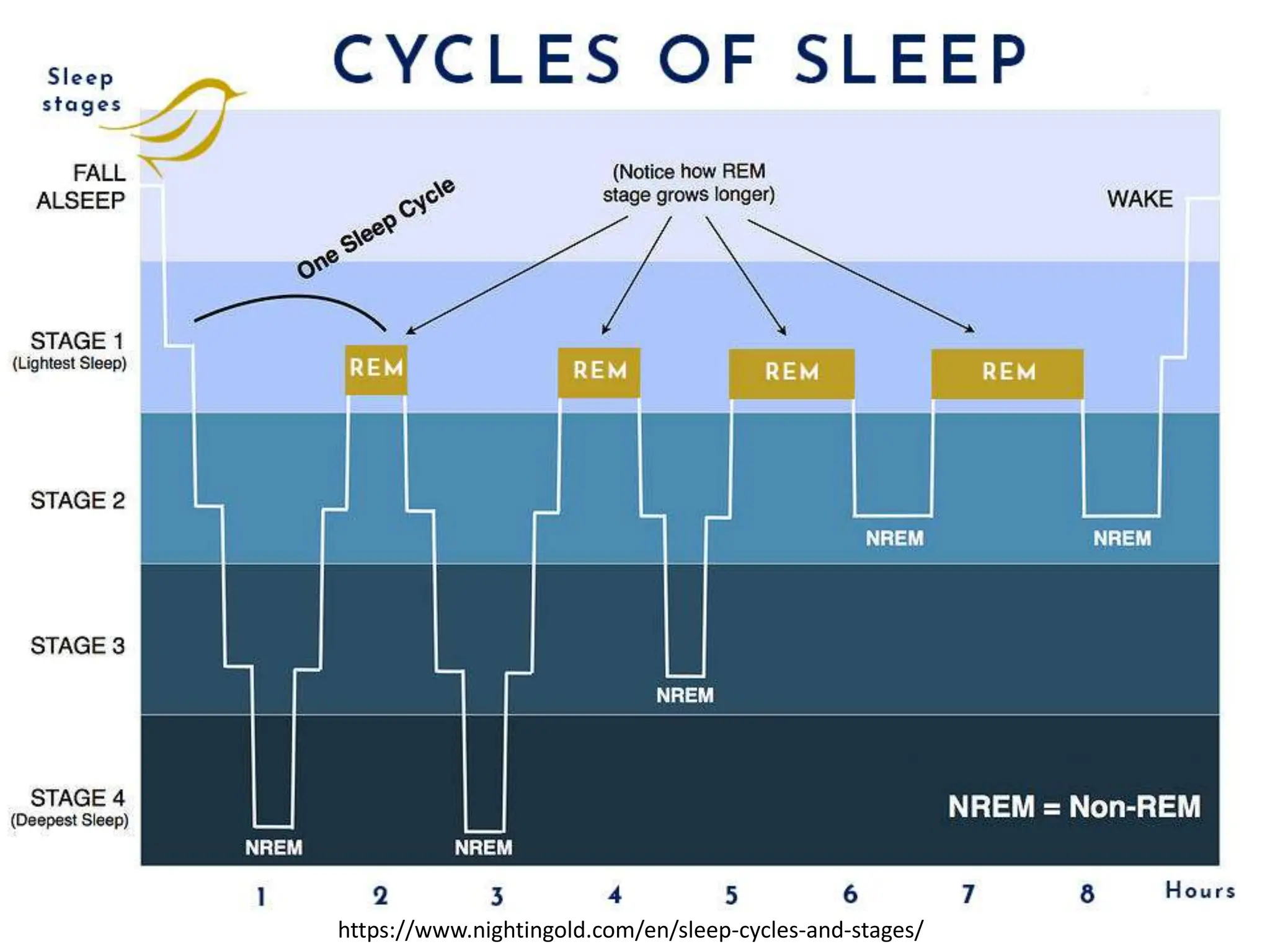
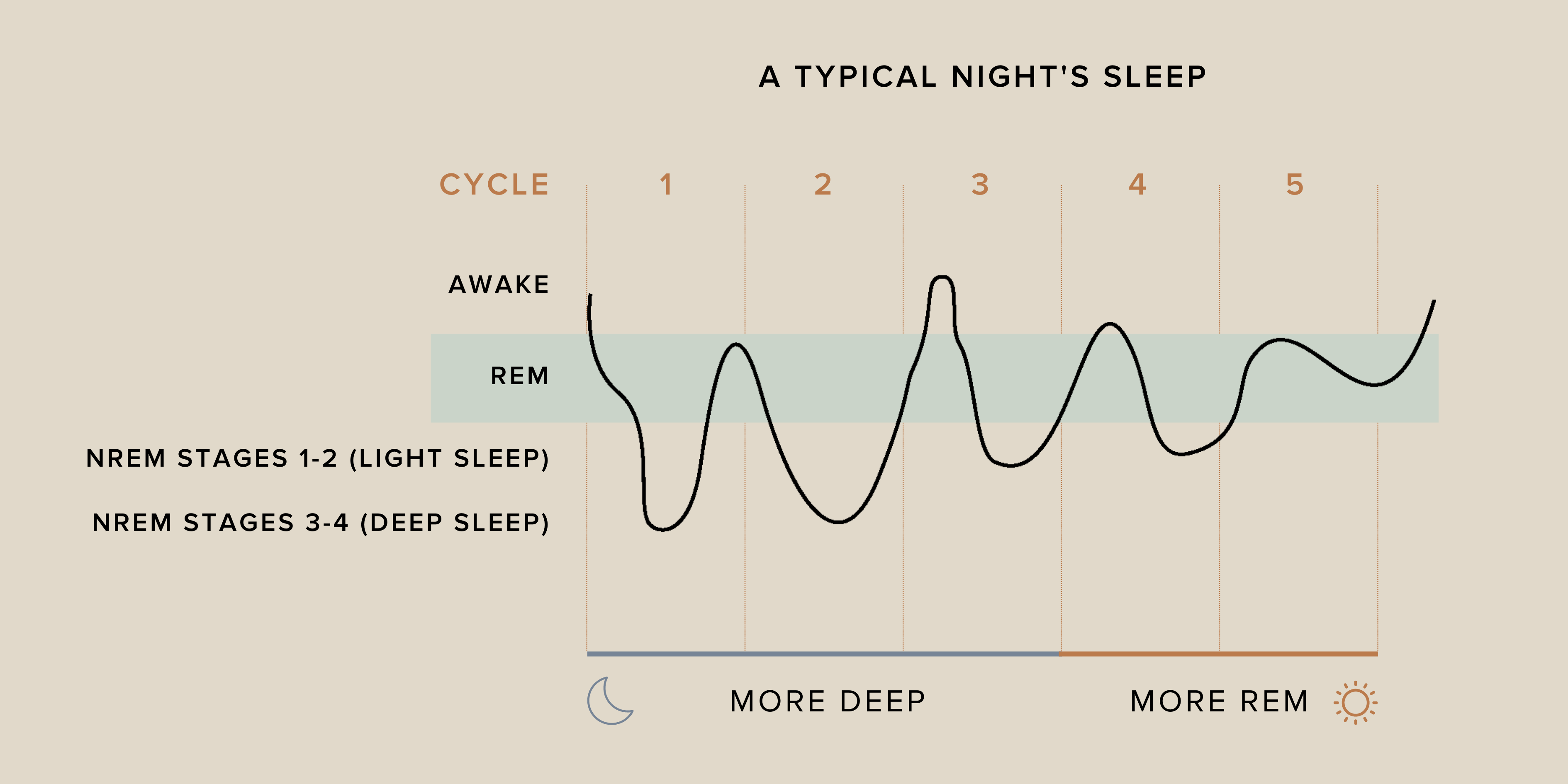
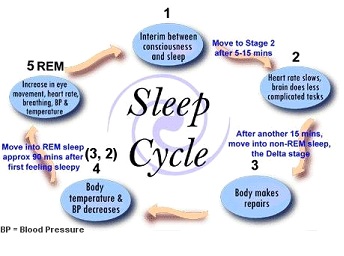
REM sleep is a stage of sleep where the brain activity is similar to that of being awake, with rapid movements of the eyes (hence the name) and vivid dreams. This stage lasts around 10-15 minutes and occurs about 90-120 minutes after falling asleep, with each cycle repeating multiple times throughout the night.
Characteristics of REM Sleep
- Rapid eye movements: As the name suggests, REM sleep is characterized by rapid movements of the eyes, which can be an indicator that someone is in this stage.
- Increased brain activity: During REM sleep, the brain activity is similar to that of being awake, with increased electrical activity and brain waves.
- Vivid dreaming: REM sleep is when most dreams occur, and they can be vivid and intense.
- Limited musclemovement: Although there are some exceptions, the muscles are usually paralyzed during REM sleep, which is known as atonia.
- Fluctuating respiration and heart rate: The respiratory and heart rates can be irregular during REM sleep, which can be an indicator of this stage.
Regulation of REM Sleep
REM sleep is regulated by the brain stem, specifically the part known as the pons and the raphe nuclei. These regions help control the transitions between REM and non-REM sleep and are responsible for the increase in brain activity during REM sleep.
The Importance of REM Sleep
REM sleep plays a crucial role in our overall health, particularly in memory consolidation and retrieval, emotional regulation, and learning. During REM sleep, the brain processes and integrates new information from our daily experiences, helping us to learn and remember.

Difference Between REM and Non-REM Sleep
Non-REM sleep, also known as NREM sleep, is the first three stages of sleep and is characterized by slower brain waves and decreased physiological activity. While both stages are essential for our overall health, REM sleep is unique in that it is the stage where most dreams occur and the brain is most active.
REM Sleep Behavior Disorder
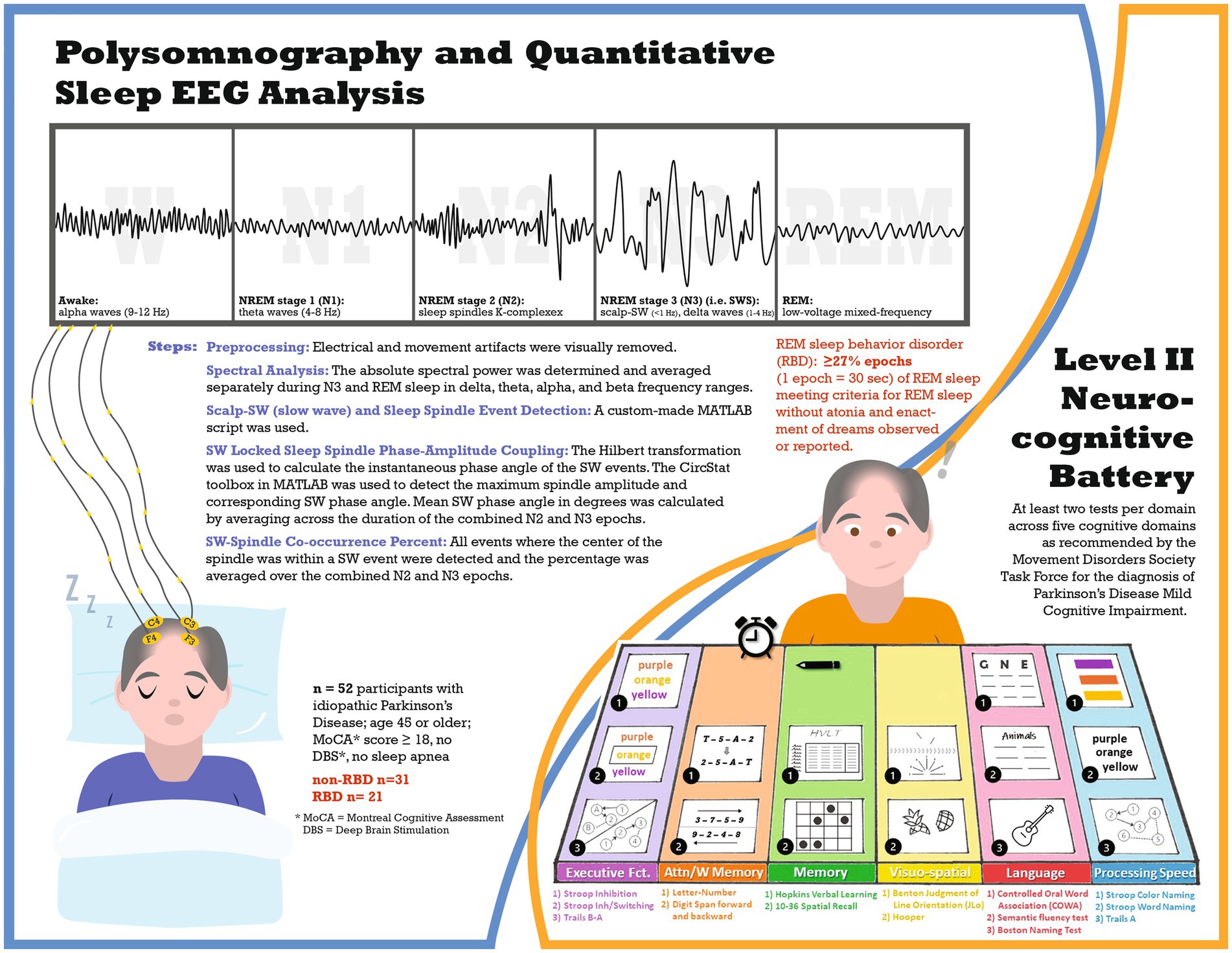
Rapideyemovement sleep behavior disorder, also known as RBD, is a condition where individuals act out their dreams during REM sleep, resulting in physical movements and vocalizations. This condition can be a sign of a underlying brain disorder and requires proper medical attention.
REM Sleep in Other Animals
REM sleep is not unique to humans and is also present in other animals, including mammals and birds. In fact, research has shown that animals, such as dogs and cats, experience REM sleep similar to humans, with vivid dreams and increased brain activity.
Conclusion
Rapideyemovement sleep is a unique and essential stage of sleep that plays a crucial role in our overall health. From regulating our brain activity and memories to processing and integrating new information, REM sleep is an essential part of our sleep cycle. By understanding the characteristics and regulation of REM sleep, we can better appreciate the importance of this stage in our overall health and well-being.