Protecting Your Online Activity from Surveillance State
In today's digital age, it's easier than ever to access and share information online. With the rise of social media, online shopping, and streaming services, our lives are increasingly intertwined with the internet. However, this increased connectivity also means we're more vulnerable to surveillance from various entities, including governments, corporations, and internet service providers.
Why Protecting Your Online Activity is Critical
The threat of surveillance is not just a matter of personal convenience; it's a fundamental human right. Protecting your online activity from the surveillance state is critical to maintaining your privacy and security. The consequences of failing to do so can be severe, ranging from identity theft and online harassment to arrest and conviction for activities that were previously considered protected by law.
The Types of Surveillance
There are two primary types of surveillance: digital and physical. Digital surveillance involves monitoring online activities, such as browsing history, search queries, and social media interactions. Physical surveillance, on the other hand, involves tracking individuals' movements and activities in the physical world using techniques like CCTV cameras and GPS tracking.
-
Digital Surveillance:
Digital surveillance is the most common form of surveillance, and it's often conducted by governments, corporations, and internet service providers. This can include:
- Tracking your browsing history and search queries
- Monitoring your social media interactions and online communications
- Collecting and distributing your online data to third-party advertisers and other entities
-
Physical Surveillance:
Physical surveillance involves tracking individuals' movements and activities in the physical world. This can include:
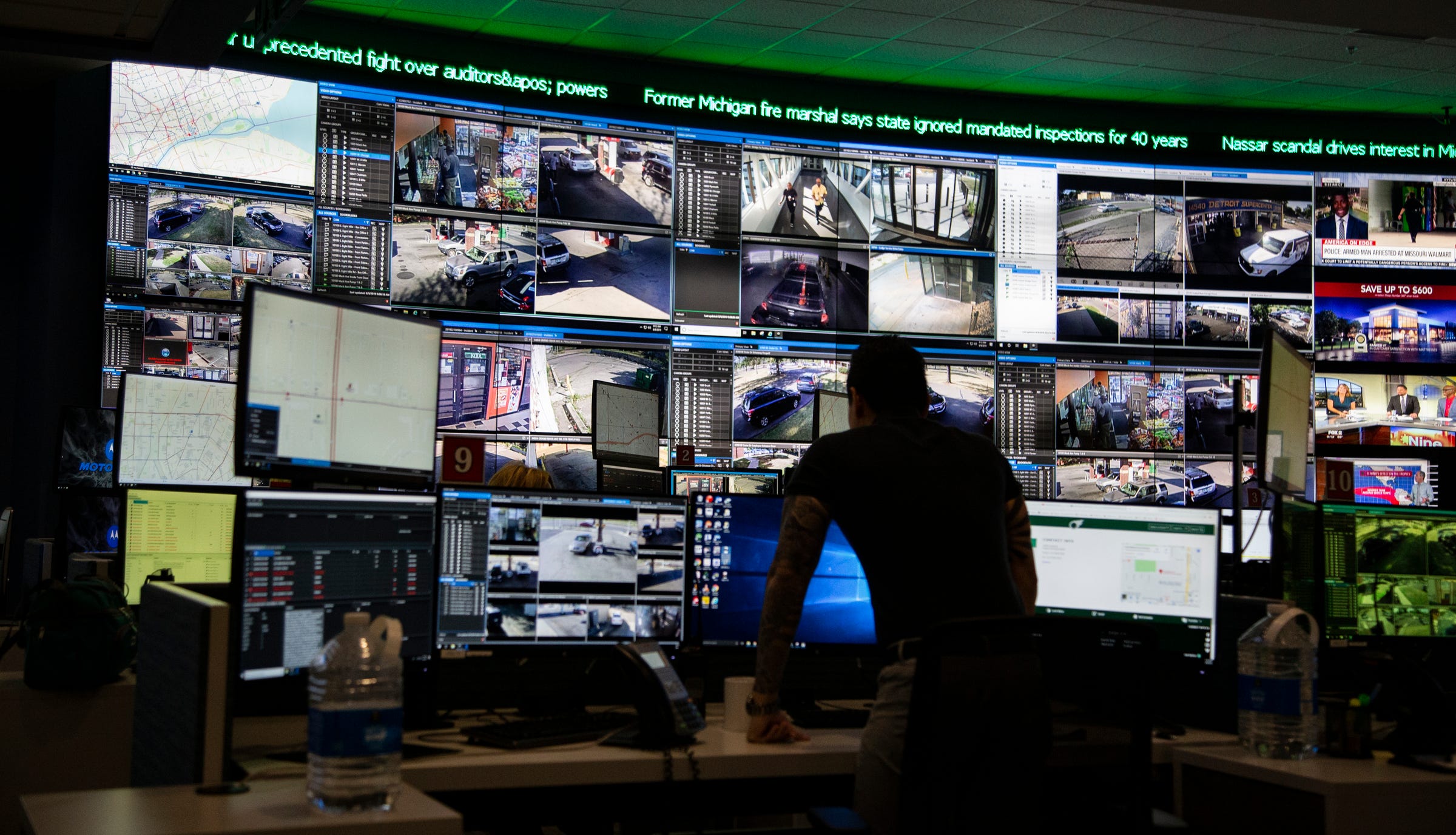
- Using CCTV cameras to monitor public spaces
- Tracking individuals using GPS tracking devices
- Monitoring online and offline data to identify patterns and connections
Measures to Protect Your Online Activity
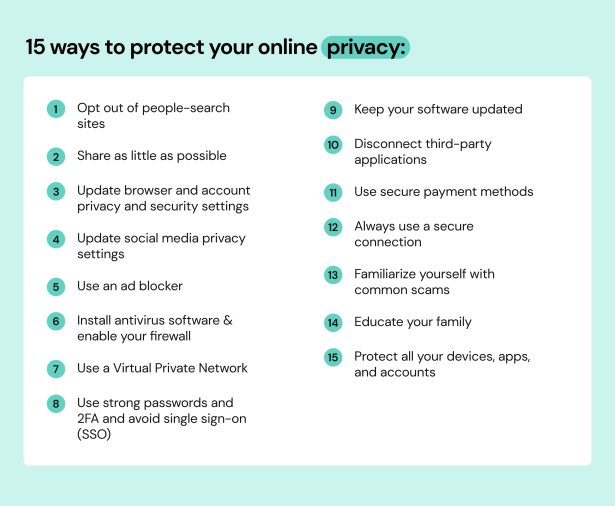
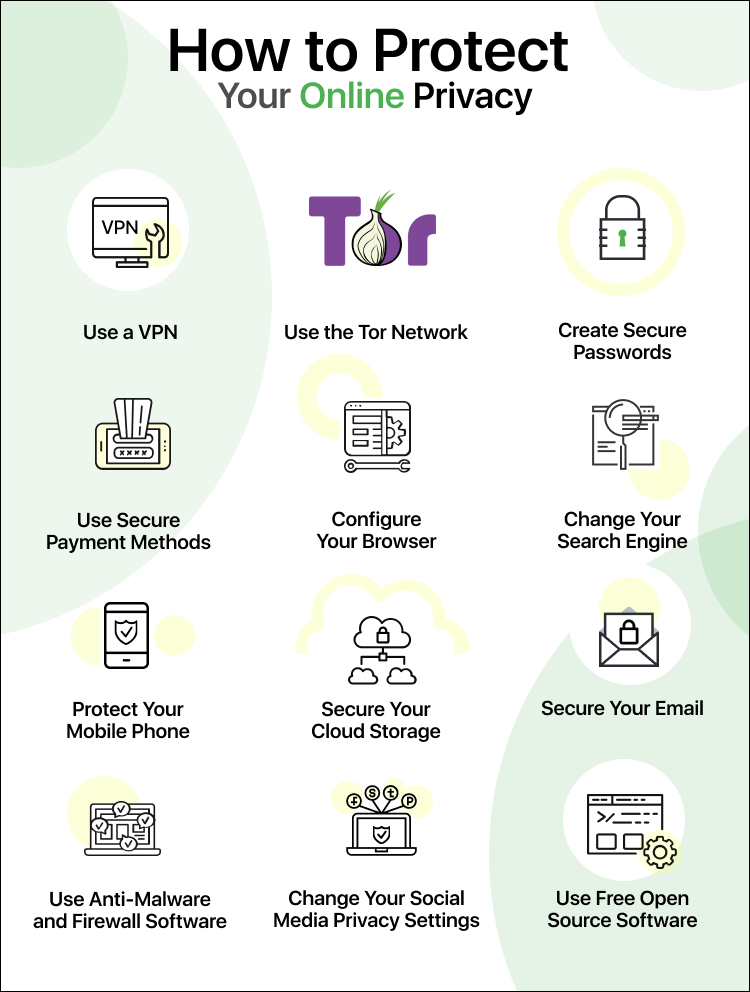
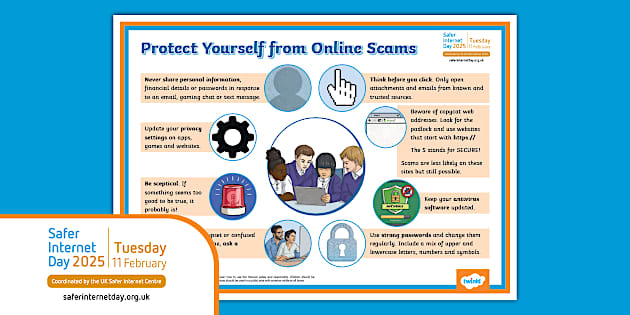
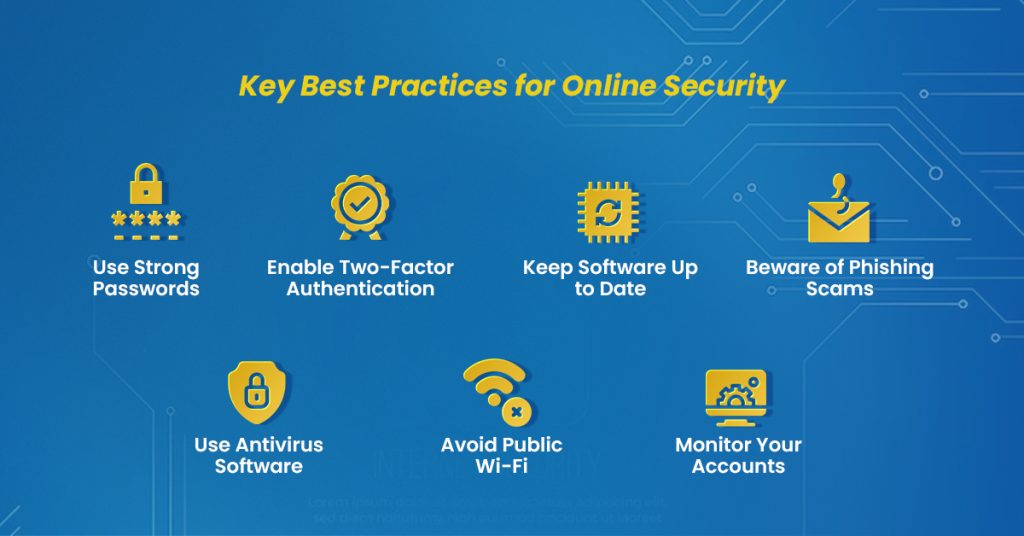
While there's no foolproof way to completely prevent surveillance, there are several measures you can take to protect your online activity:
- Use a Virtual Private Network (VPN): A VPN can mask your online activity and protect your privacy by encrypting your internet traffic.
- Use Encryption: Encrypting your online communications and data can make it difficult for others to intercept or access your information.
- Keep Your Software Up-to-Date: Regularly update your operating system and software to ensure you have the latest security patches and features.
- Be Mindful of Public Wi-Fi: Avoid using public Wi-Fi networks for sensitive activities, as they may not be secure.
- Use Tor Browser: Tor browser can help you remain anonymous online by routing your internet traffic through multiple servers.
- Monitor Your Accounts: Regularly review your account settings and permissions to ensure that you're not sharing more information than necessary.
Conclusion
Protecting your online activity from the surveillance state requires a combination of awareness, action, and vigilance. By understanding the types of surveillance and taking measures to protect your online activity, you can maintain your privacy and security in the digital age. Remember, your online activity is a reflection of your personal life, and it's essential to safeguard it from unnecessary scrutiny.