Protecting Computer From Ransomware Malware: A Comprehensive Guide
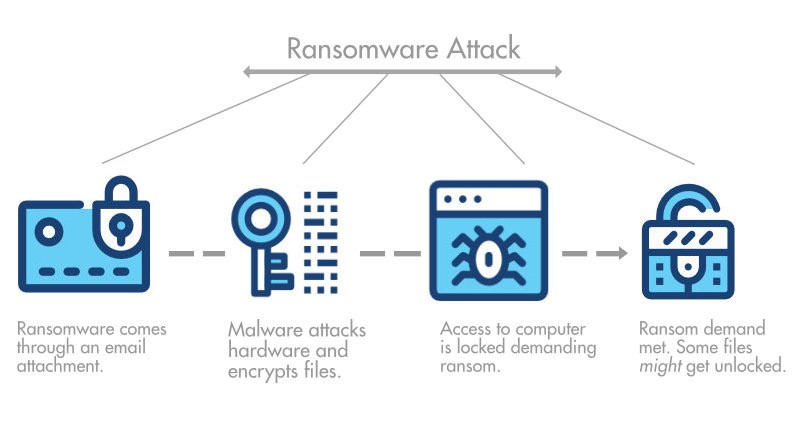
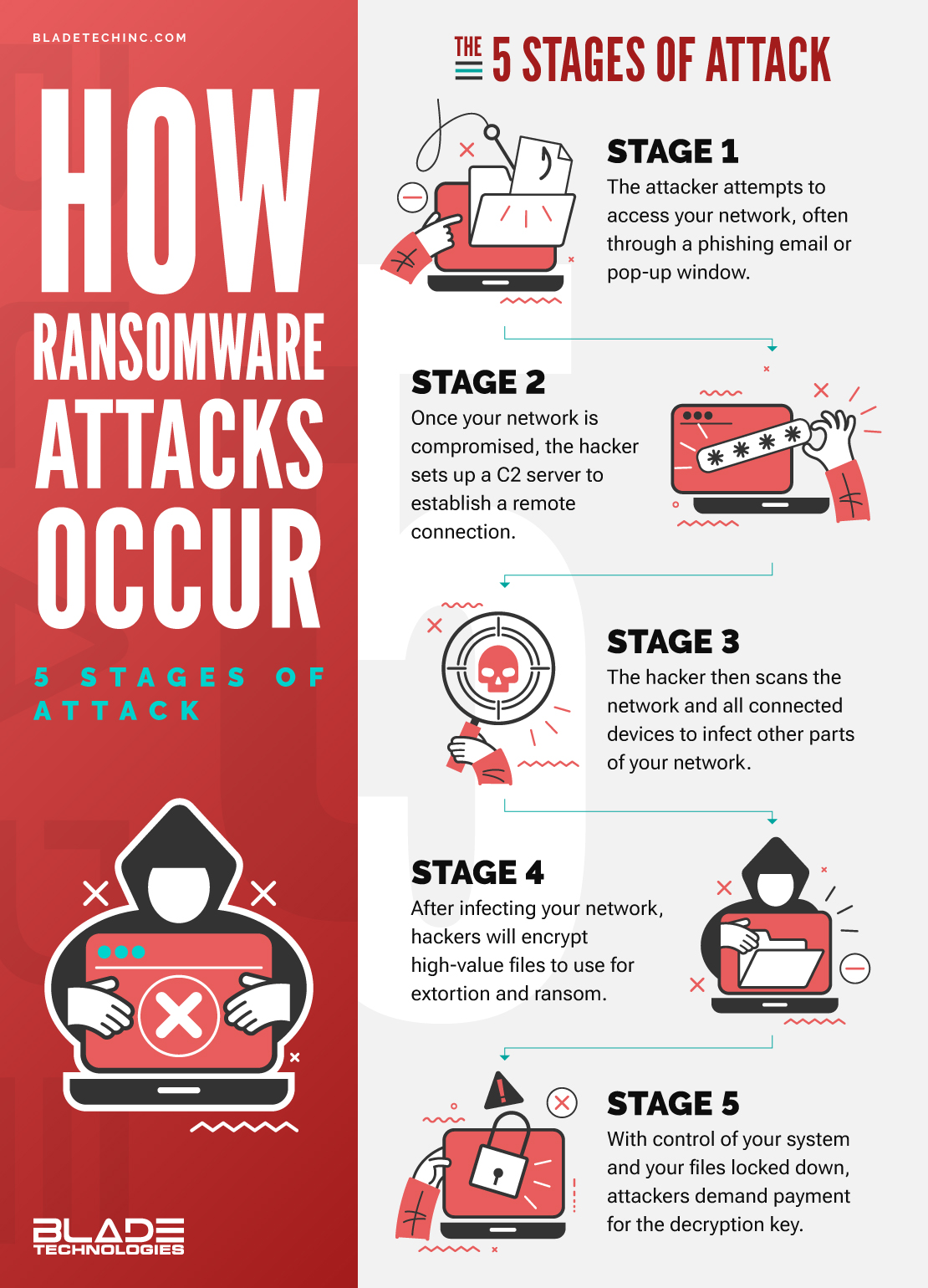
Ransomware is a type of malicious software that encrypts your files or locks your computer until you pay a ransom to unlock them. If your computer is connected to a network, ransomware can spread to other computers or storage devices on the network, causing widespread damage.
How to Get Infected by Ransomware
- Visiting unsafe or suspicious websites
- Opening malicious emails or attachments
- Using unsecured public Wi-Fi networks or public computers
- Downloading and installing software from untrusted sources
- Not updating operating systems and software regularly
By understanding these common entry points, you can take steps to protect your computer and prevent ransomware attacks. In this article, we'll explore how to protect your computer from ransomware malware and what to do when it strikes.
The Consequences of Ransomware Attacks
Ransomware attacks can have severe consequences, including:
- Loss of sensitive data and files
- System crashes and downtime
- Financial losses due to ransom payments
- Reputation damage and loss of customer trust
Protecting Your Computer from Ransomware
The first line of defense against ransomware is to prevent it from entering your system in the first place. Here are some steps to take:
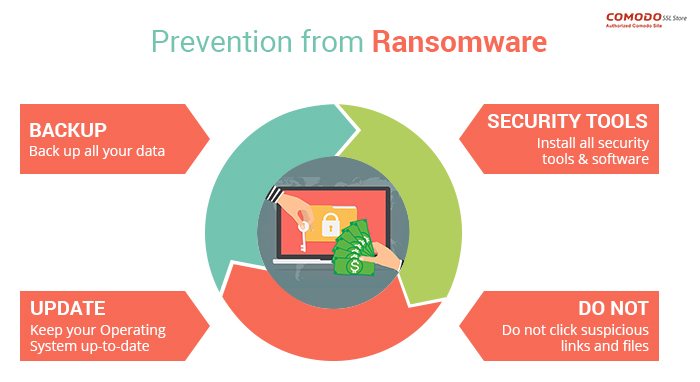
1. Use Anti-Malware and Anti-Virus Software
Install reputable anti-malware and anti-virus software that provides real-time protection and automatic updates. Regularly scanning for malware and viruses can help detect and remove ransomware before it takes hold.
2. Keep Your Operating System and Software Up-to-Date
Regularly update your operating system, browser, and other software to ensure you have the latest security patches and bug fixes. This will help prevent vulnerabilities that ransomware can exploit.
3. Use Strong Passwords and Multi-Factor Authentication
Use strong, unique passwords for all accounts, and consider using multi-factor authentication to add an extra layer of security.

4. Back Up Your Data Regularly
Regularly back up your important files and data to a secure location, such as external hard drives or cloud storage. This will ensure that even if your computer is infected with ransomware, you can recover your data from the backup.
5. Be Cautious with Email and File Attachments
Be careful when opening email attachments and links from unknown sources, as they may contain ransomware or other malware.
6. Use Secure Network Connections
Use secure, encrypted connections when accessing public Wi-Fi networks or public computers.
What to Do in Case of a Ransomware Attack
If you suspect a ransomware attack has occurred, here are steps to take:
- Disconnect from the internet to prevent the malware from spreading
- Do not pay the ransom (unless it's absolutely necessary)
- Try to restore your data from backups
- Contact a cybersecurity professional for assistance
- Run a full system scan to detect and remove malware
Protecting your computer from ransomware malware requires a multi-layered approach that includes prevention, detection, and recovery. By following these steps, you can significantly reduce the risk of a ransomware attack and protect your valuable data.
Stay Safe with Cybersecurity Resources
The Cybersecurity and Infrastructure Security Agency (CISA) offers no-cost resources to help organizations take a proactive approach to protecting against ransomware. Stay ahead of the threat by learning more about preventing and protecting against ransomware in 2026.
Protecting Your Computer from Ransomware Malware is a Shared Responsibility
By taking the steps outlined in this article and staying informed about ransomware and cybersecurity, you can protect your computer and prevent the devastating consequences of a ransomware attack.

.jpg "How to Protect Yourself from Ransomware Attacks - Cybernews")