Manage Tech Addiction Yourself: A Comprehensive Guide to Regain Control Over Your Digital Life
Are you struggling to manage your tech addiction? Do you feel like you're spending too much time on your devices, and it's affecting your mental and physical health? You're not alone. Technology addiction is a growing concern, and it's essential to take proactive steps to regain control over your digital life. In this article, we'll explore the causes, effects, and solutions for managing tech addiction, so you can take the first step towards a healthier relationship with technology.
Understanding Technology Addiction
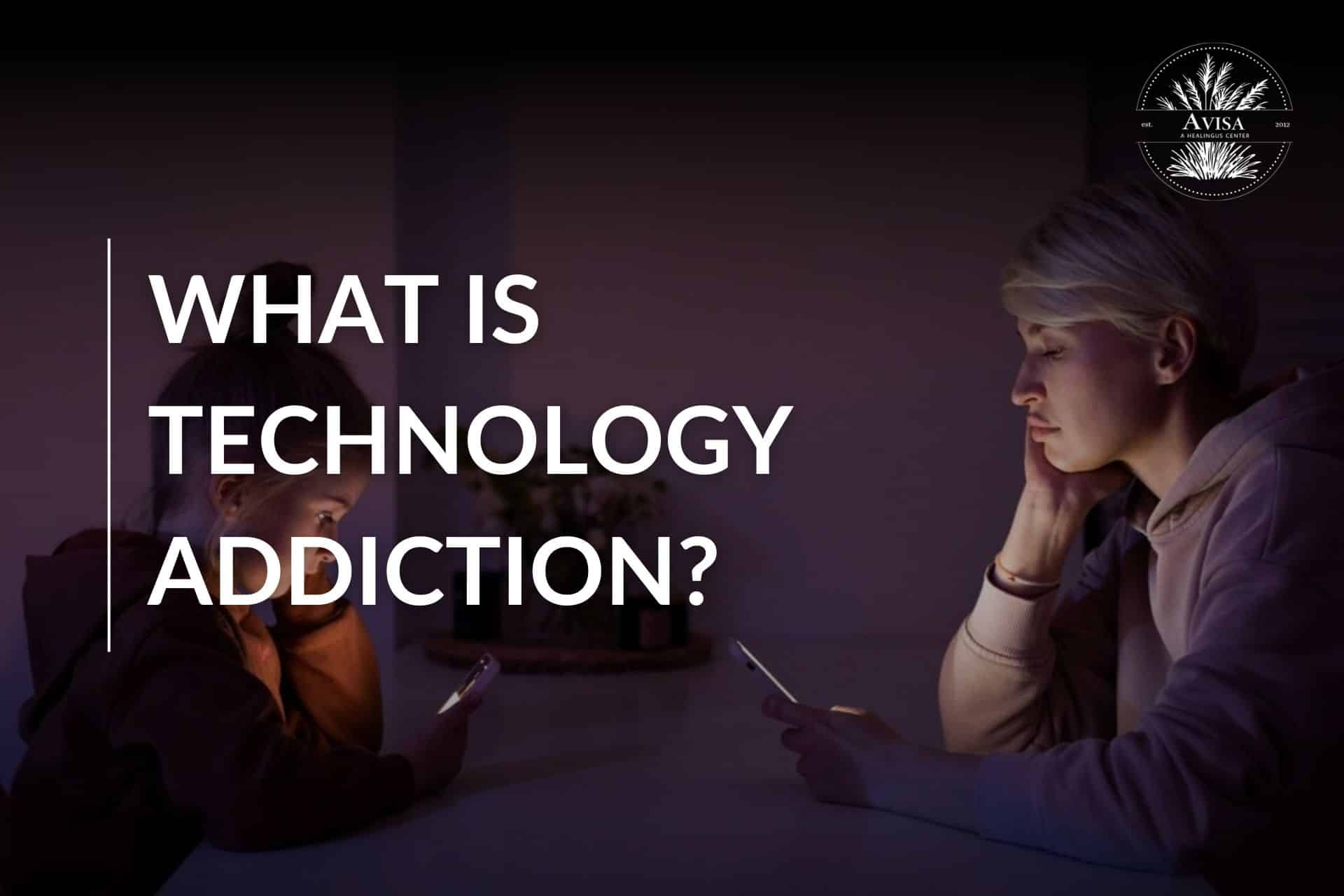
Technology addiction, also known as digital addiction or screen addiction, is a behavioral disorder characterized by excessive and compulsive use of digital devices. This can lead to negative impacts on mental and physical health, relationships, and productivity. The causes of tech addiction are complex and multifaceted, involving psychological, social, and environmental factors.
Causes of Technology Addiction
- Psychological factors: Depression, anxiety, loneliness, and stress can contribute to tech addiction.
- Social factors: Social media, online gaming, and messaging apps can create a sense of social connection and validation.
- Environmental factors: Easy access to technology, lack of digital literacy, and peer pressure can contribute to tech addiction.
Managing Tech Addiction Yourself
Managing tech addiction requires a combination of self-awareness, motivation, and strategic planning. Here are some practical steps to help you take control of your digital life:
1. Set Boundaries and Limits
Establish specific times of the day when you'll check your devices, and stick to those times. This will help you avoid mindless scrolling and reduce your overall screen time.
2. Practice Mindfulness
Be present in the moment and engage your senses. Take breaks from your devices to focus on your surroundings, practice meditation, or engage in physical activities. This will help you develop a healthier relationship with technology.
3. Find Alternative Activities
Discover new hobbies, read books, or engage in physical activities that bring you joy and fulfillment. This will help you reduce your reliance on technology and find more meaning in life.
4. Use Technology Wisely
Recognize the benefits of technology, such as staying connected with loved ones, accessing information, and learning new skills. Use technology to enhance your life, rather than control it.
5. Seek Support
Share your struggles with a trusted friend or family member, or join a support group to connect with others who are facing similar challenges. This will help you stay motivated and accountable.
6. Leverage Helpful Technology
Install apps, extensions, or software that help you track and limit your screen time, block distracting websites, or customize your digital experience. This will help you stay on track and maintain a healthy balance.
Conclusion
Managing tech addiction is a journey that requires patience, self-awareness, and intentional effort. By setting boundaries, practicing mindfulness, finding alternative activities, using technology wisely, seeking support, and leveraging helpful tools, you can regain control over your digital life and cultivate a healthier relationship with technology. Remember, you are not alone in this struggle. Take the first step towards a more balanced and fulfilling life today.