Long-Term Effects of Tech Use on Mental Health: Understanding the Risks and Benefits
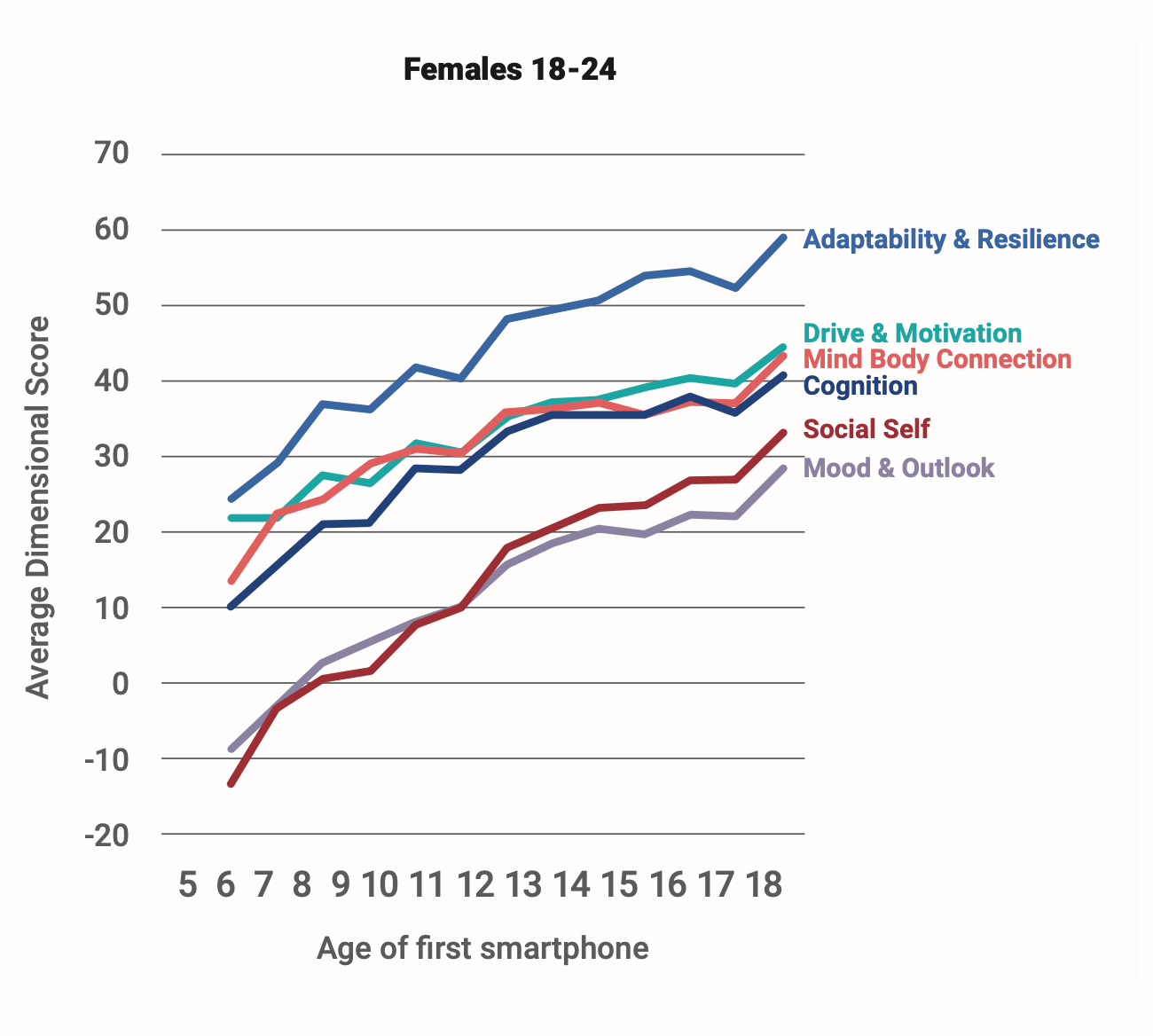
The widespread use of technology has revolutionized the way we live, work, and interact with each other. While technology offers numerous benefits, such as increased connectivity and access to information, there are also potential risks to our mental health. The long-term effects of tech use on mental health are a growing concern, with emerging scientific evidence indicating that excessive technology use can have both positive and negative impacts on our brain function and behavior.
The Negative Effects of Excessive Tech Use
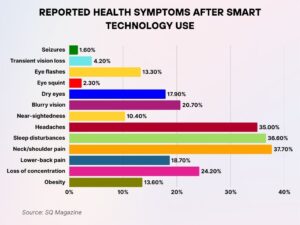
Excessive screen time and technology use have been linked to a range of negative effects on mental health, including:
- Cognitive decline: Excessive screen time has been shown to lead to cognitive decline, particularly in areas such as attention, memory, and processing speed.
- Disrupted sleep: Exposure to screens and the blue light they emit can disrupt sleep patterns, leading to insomnia, daytime fatigue, and other sleep-related problems.
- Reduced physical activity: Spending too much time on screens can lead to a sedentary lifestyle, which is linked to a range of health problems, including obesity, diabetes, and cardiovascular disease.
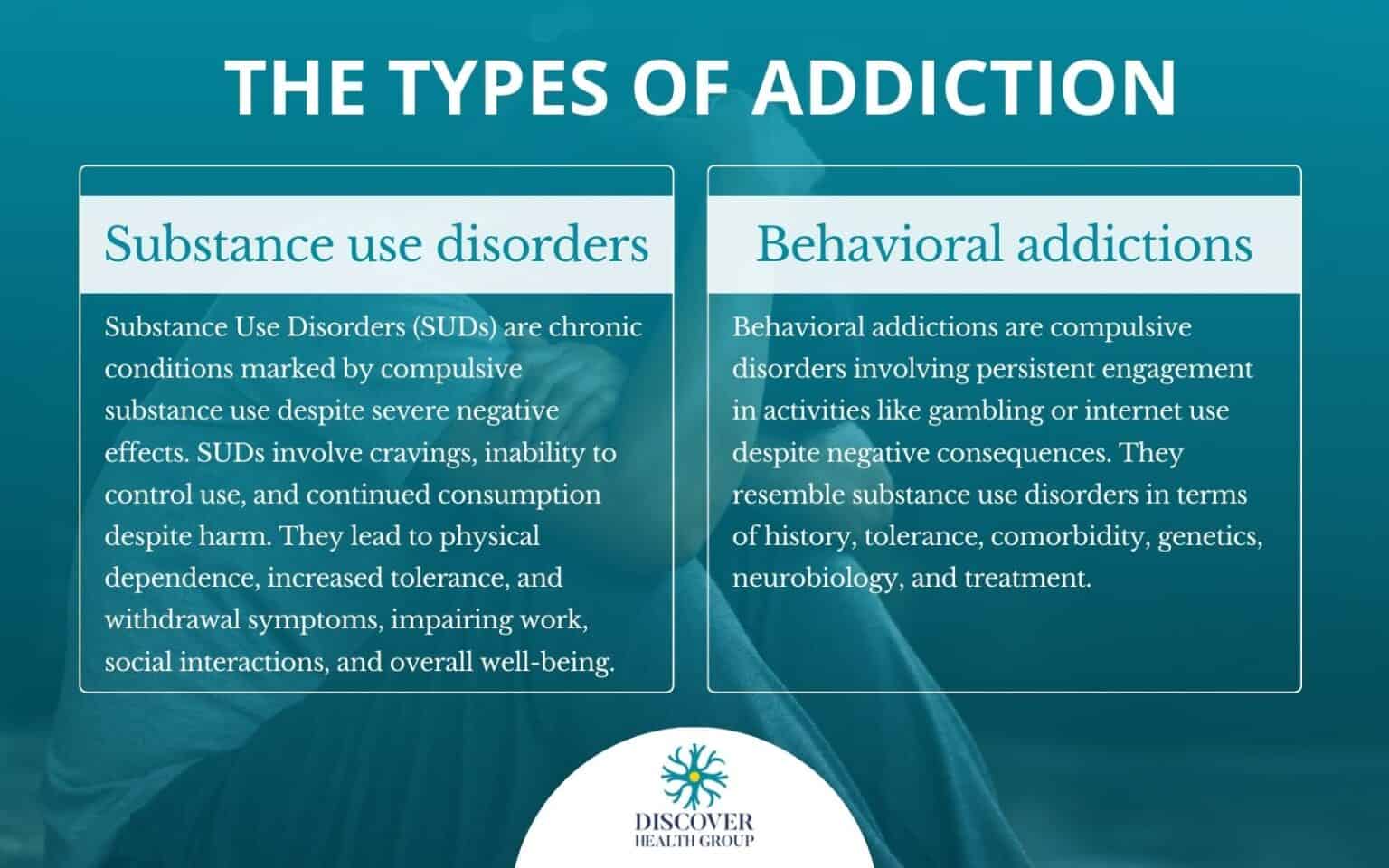
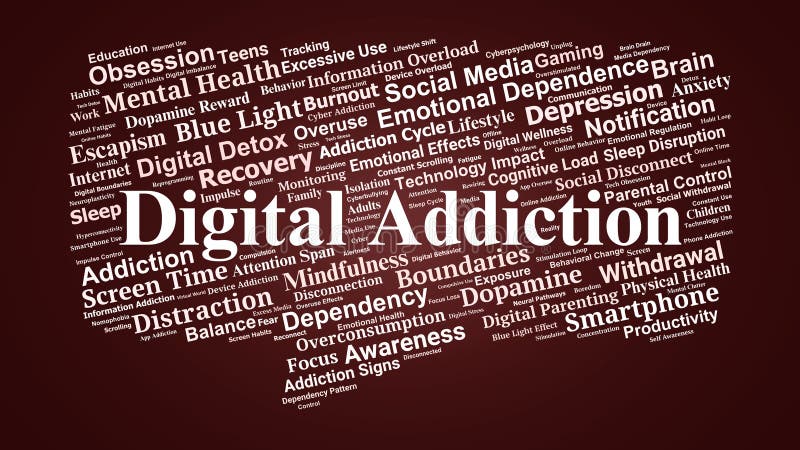
- Digital addiction: Excessive technology use can lead to digital addiction, which is characterized by symptoms such as withdrawal, tolerance, and loss of control over technology use.
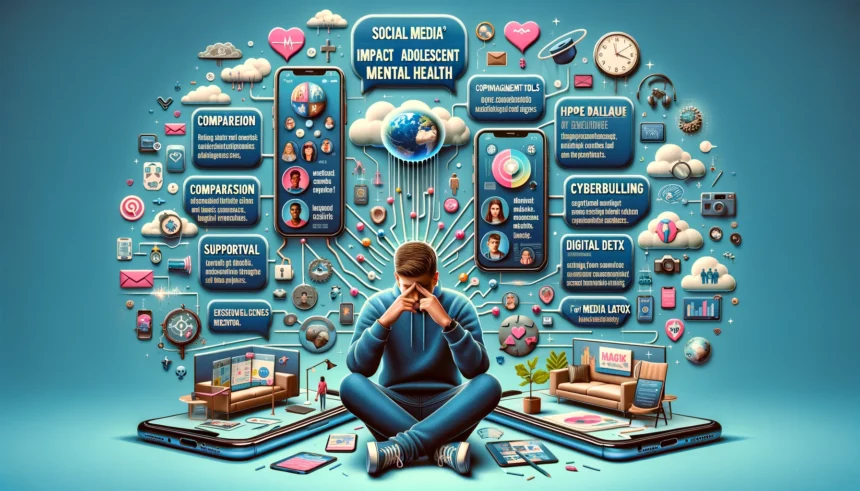
- Social comparison and loneliness: Social media use has been linked to increased feelings of loneliness and social isolation, as well as decreased self-esteem and life satisfaction.
The Positive Effects of Tech Use
While excessive tech use can have negative effects, technology can also have positive impacts on mental health when used in moderation and in a balanced way. Some of the positive effects of tech use include:
- Improved cognitive function: Technology can enhance cognitive function, particularly in areas such as memory, attention, and processing speed.
- Increased social connections: Technology can facilitate social connections and community building, which is essential for mental health and well-being.
- Access to mental health resources: Technology can provide access to mental health resources, such as online therapy, support groups, and mental health apps.
- Improved stress management: Technology can provide tools and resources for stress management, such as meditation apps, mindfulness exercises, and relaxation techniques.
Strategies for Mitigating the Negative Effects of Tech Use
To mitigate the negative effects of tech use on mental health, consider the following strategies:
- Set boundaries: Establish clear boundaries around technology use, such as setting limits on screen time and avoiding screens before bed.
- Practice self-care: Engage in regular self-care activities, such as exercise, meditation, and spending time in nature.
- Seek support: Seek support from friends, family, and mental health professionals when needed.
- Take breaks: Take regular breaks from technology to reduce the risk of digital addiction and social comparison.
Conclusion
The long-term effects of tech use on mental health are a complex and multifaceted issue. While excessive technology use can have negative effects, technology can also have positive impacts on mental health when used in moderation and in a balanced way. By understanding the risks and benefits of tech use and implementing strategies to mitigate the negative effects, we can promote healthy technology use and support mental health and well-being.