Is it Safe to Give Dogs Tylenol Daily?
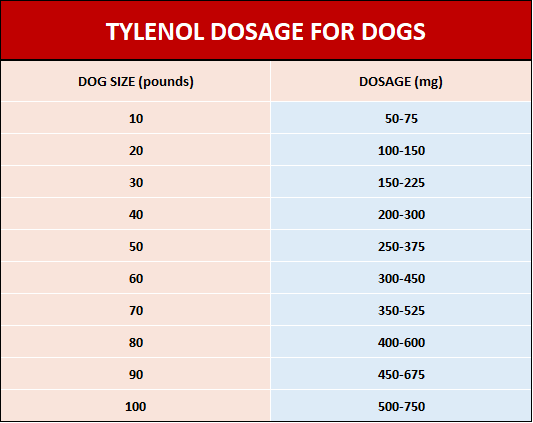
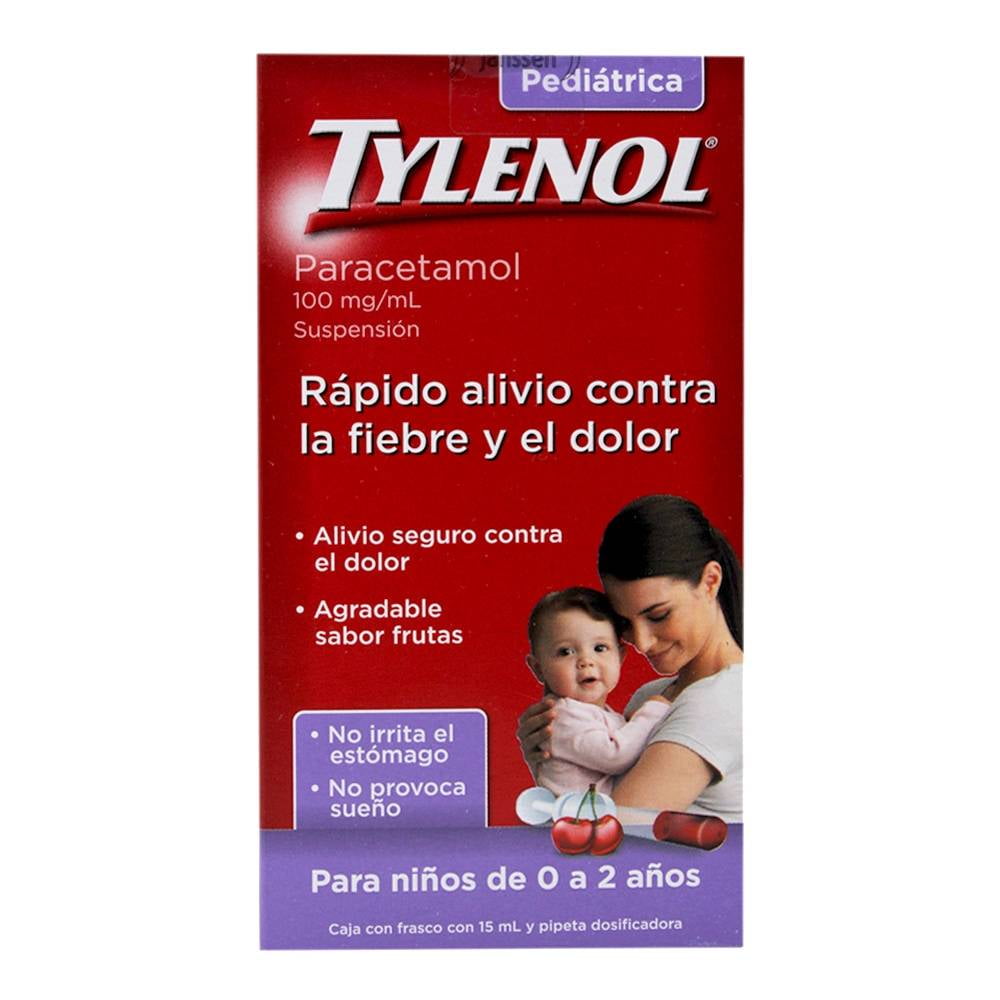
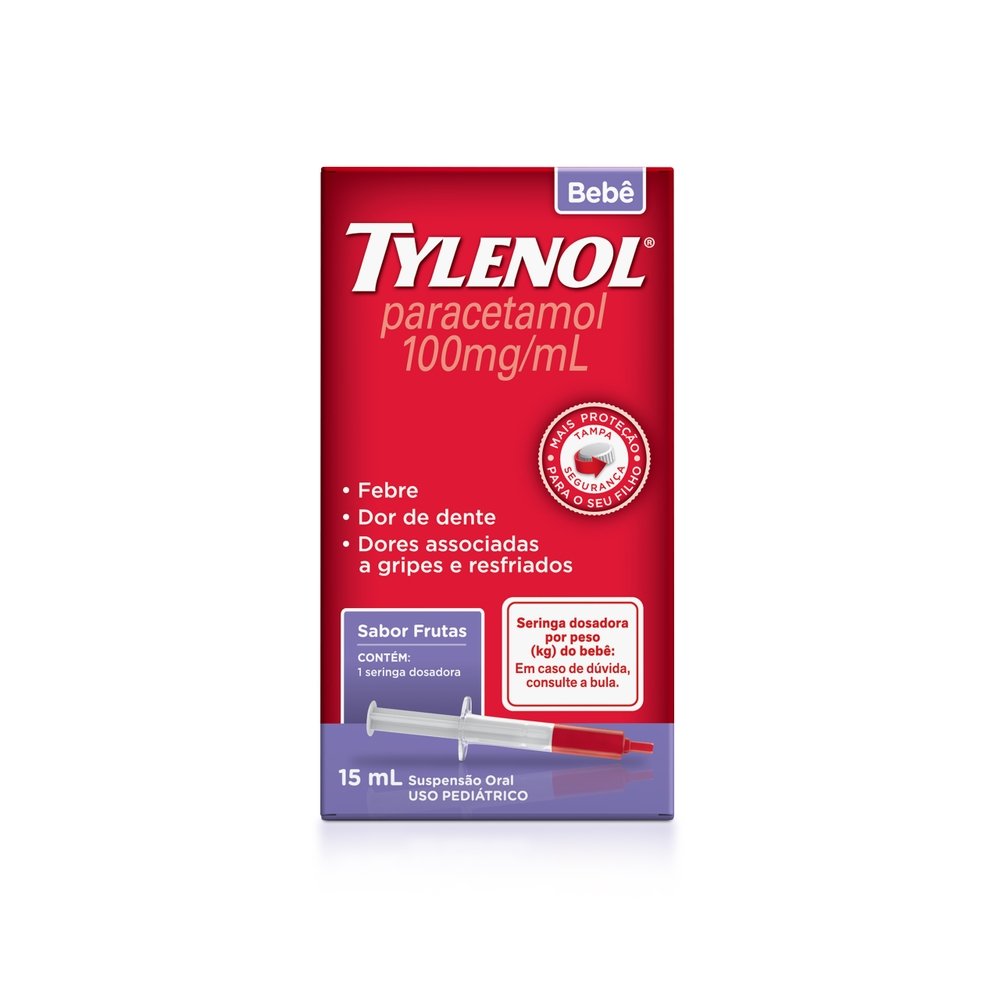
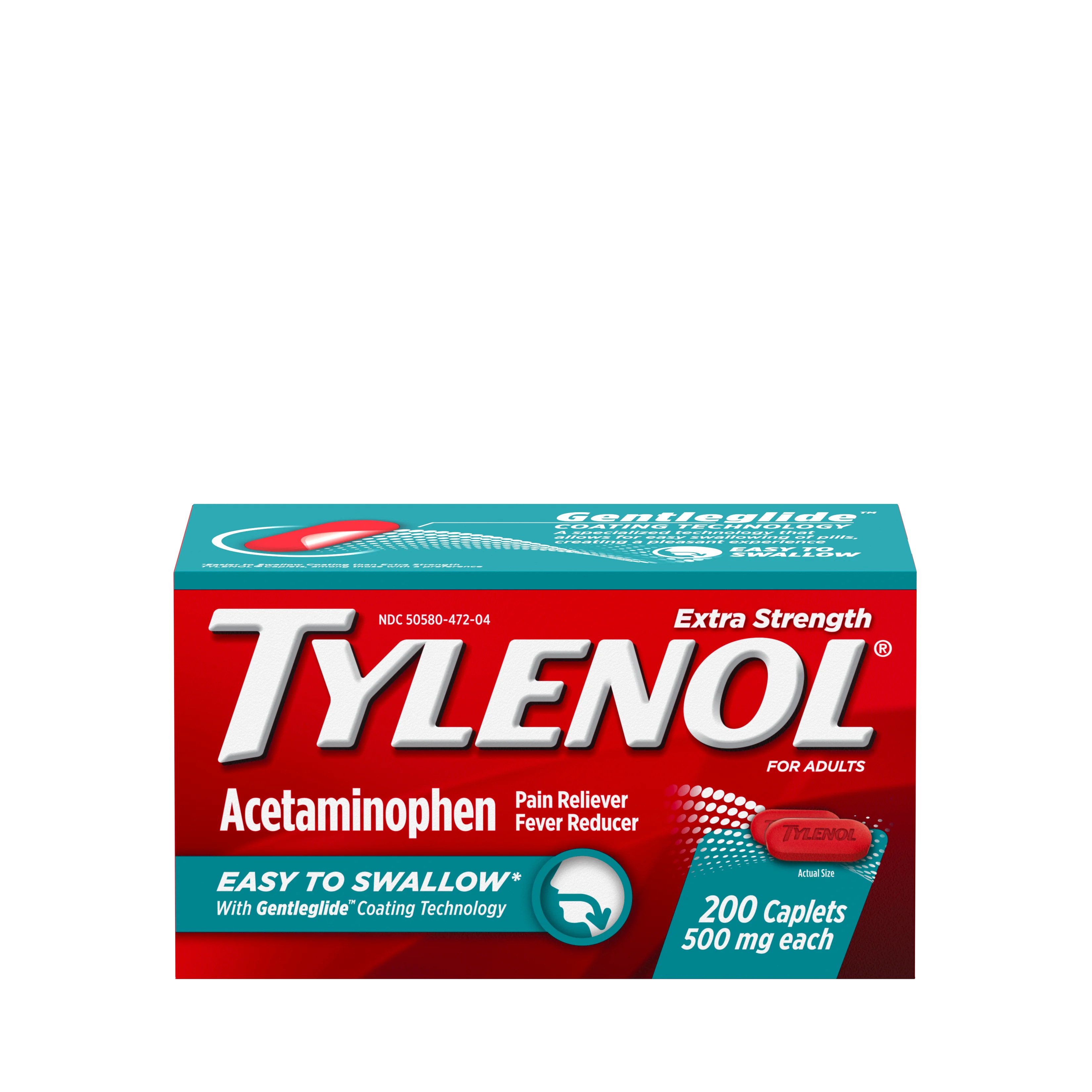
Tylenol, also known as acetaminophen, is a common over-the-counter medication used to relieve pain and reduce fever in humans. However, when it comes to dogs, the answer to the question "Is it safe to give dogs Tylenol daily?" is a resounding "no." The risks of toxicity and liver damage are too great, and the consequences can be devastating.
Risks of Using Tylenol in Dogs
- Liver Damage: Acetaminophen can cause liver damage in dogs, leading to a range of symptoms including vomiting, diarrhea, and jaundice.
- Interference with Blood Oxygen Carrying Capacity: Acetaminophen can lower the oxygen-carrying capacity of blood, which can lead to anemia and other complications.
- Seizures and Coma: High doses of Tylenol can cause seizures and coma in dogs.
Why Vets Advise Against Giving Dogs Tylenol
While it may seem convenient to give your dog a human medicine like Tylenol to relieve their pain and discomfort, veterinarians advise against it. This is because the dosing calculations for dogs are far more complex than for humans, and even a small amount of Tylenol can be toxic to them.
How Much Tylenol is Toxic to Dogs?
- As Little as One Regular-Strength Tablet Can Be Toxic to a Small Dog
- The Amount of Tylenol is Significant in Proportion to a Dog's Size, Age, and Overall Health
- Just One Tablet of Tylenol Can Cause Liver Failure in Dogs, Which Can Lead to Death
Safe Pain Relief for Dogs
So, what can you do if your dog is experiencing pain or discomfort? While Tylenol may be a convenient and effective pain reliever for humans, there are safer alternatives for dogs. Your veterinarian can prescribe a range of medications specifically designed for dogs, including carprofen, gabapentin, and meloxicam.
Alternatives to Tylenol
- Carprofen: This medication is used to treat pain and inflammation indogs.
- Gabapentin: This medication is used to treat pain and anxiety indogs.
- Meloxicam: This medication is used to treat pain and inflammation indogs.
- Benadryl: While not a pain reliever, Benadryl can help relieve itching and allergic reactions in dogs.
Conclusion
While Tylenol may seem like a convenient option for relieving your dog's pain, it's not worth the risks. Your veterinarian can provide you with safe and effective alternatives to Tylenol, and it's always best to err on the side of caution when it comes to your dog's health.
When to Seek Veterinary Care
If your dog has ingested Tylenol, or if you suspect they have liver damage or other symptoms of acetaminophen poisoning, seek veterinary care immediately. Your veterinarian can provide prompt treatment and help prevent long-term damage.
Additional Resources
- ASPCA: Learn more about the ASPCA's work to rescue animals from abuse and pass humane laws.
- Wag!: This website provides valuable information on pet care and safety, including a guide to giving your dog Tylenol safely.
- St. Louis Children's Hospital Acetaminophen Child Dosage Chart: Find the correct dosage of Tylenol to give your child based on their weight and age.