Information Overload in the Modern Workplace: A Growing Concern
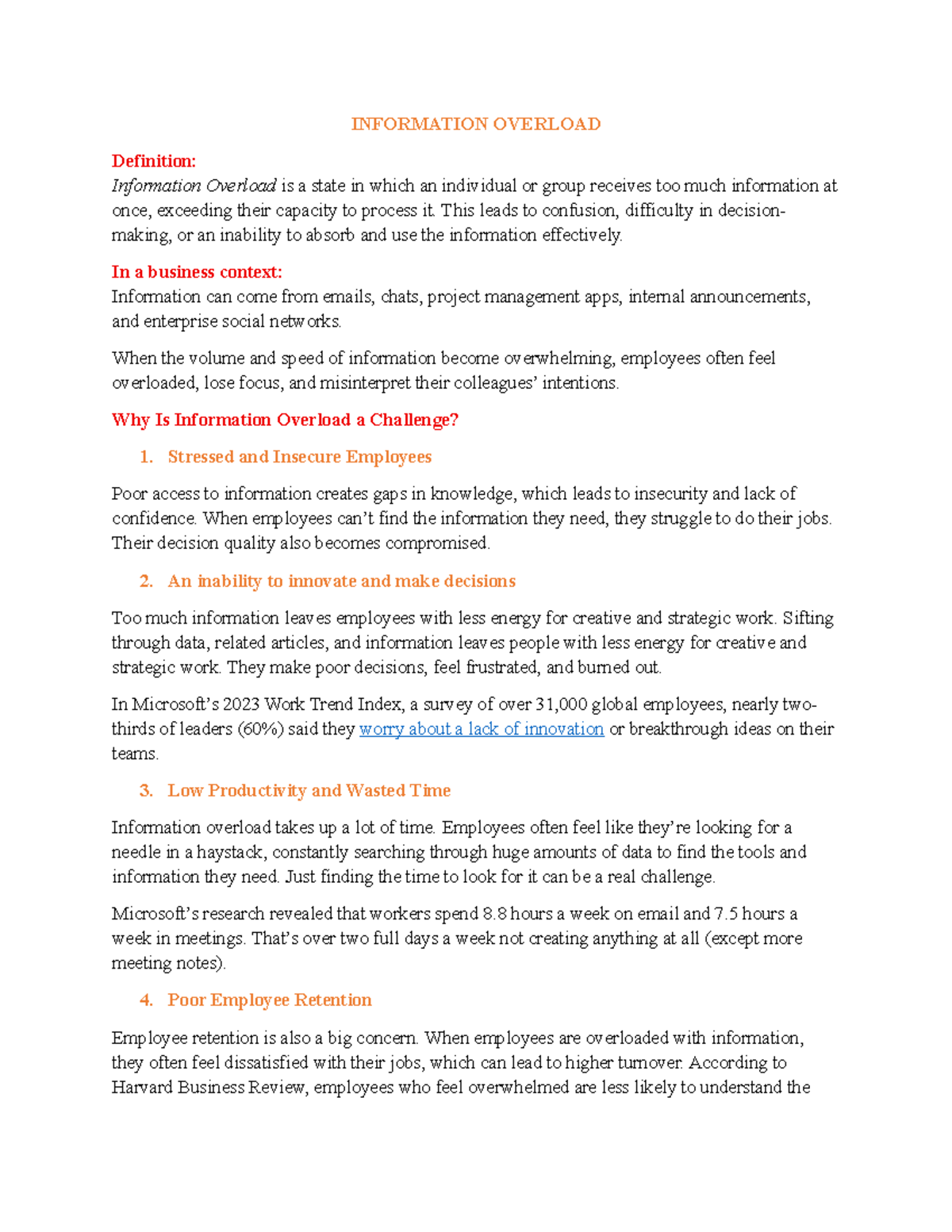
With the advent of technology and the rise of the digital age, the way we work has undergone a significant transformation. While digital tools and communication technologies have made it easier for employees to access and share information, they have also contributed to the growing problem of information overload in the modern workplace.
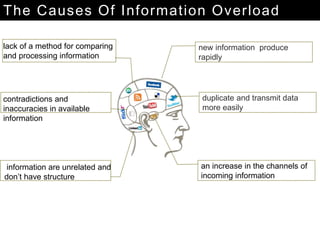
The Causes of Information Overload
- The exponential growth of digital information has led to an overwhelming amount of data being accessed and processed by employees.
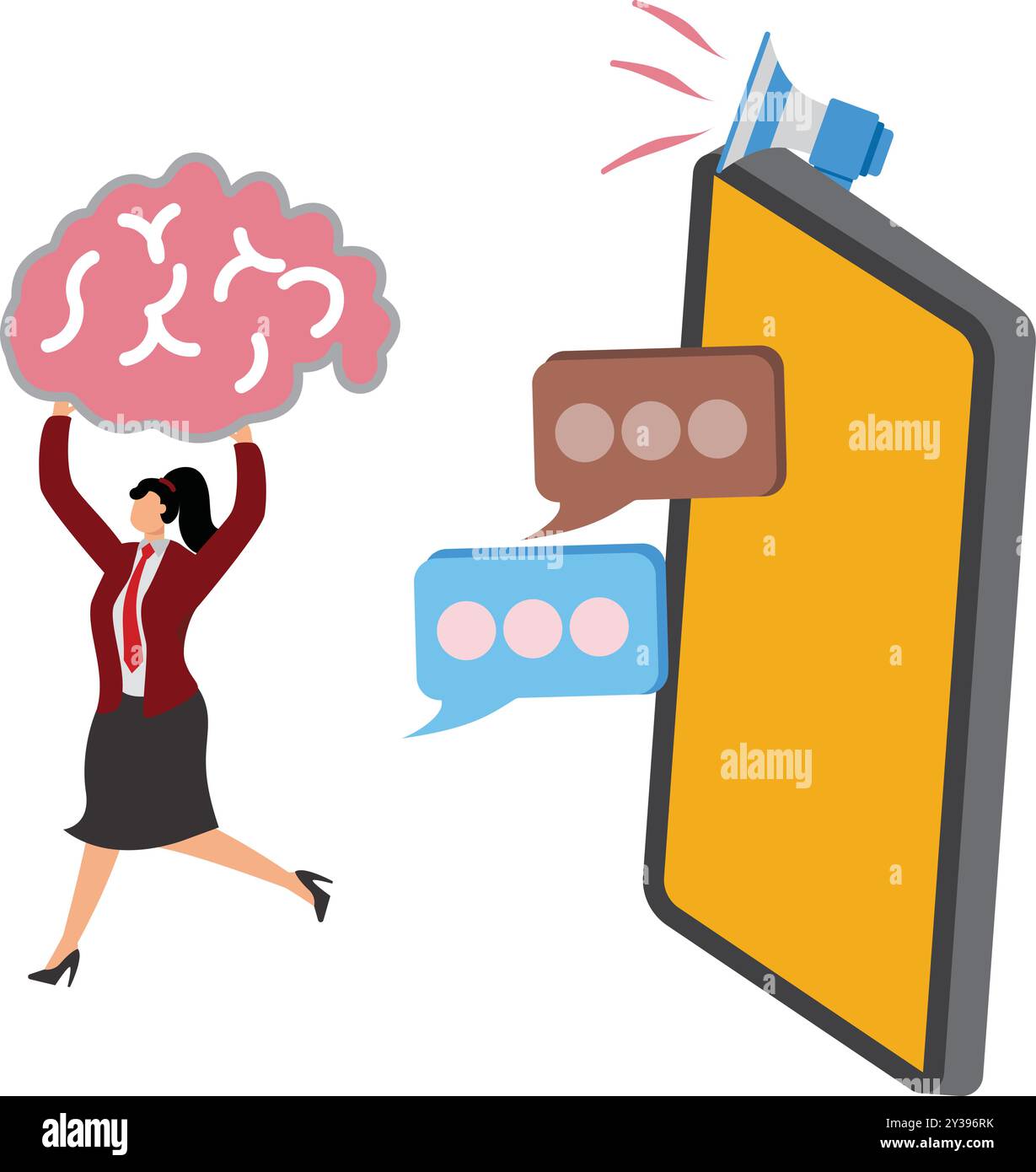
- The constant flow of emails, messages, reports, and meetings has created a sense of information overload, making it difficult for employees to prioritize tasks and focus on their work.
- The interconnectivity of today's workplace, coupled with the rise of remote working, has made it easier for information to circulate through digital channels, leading to an increase in information overload.
The Consequences of Information Overload
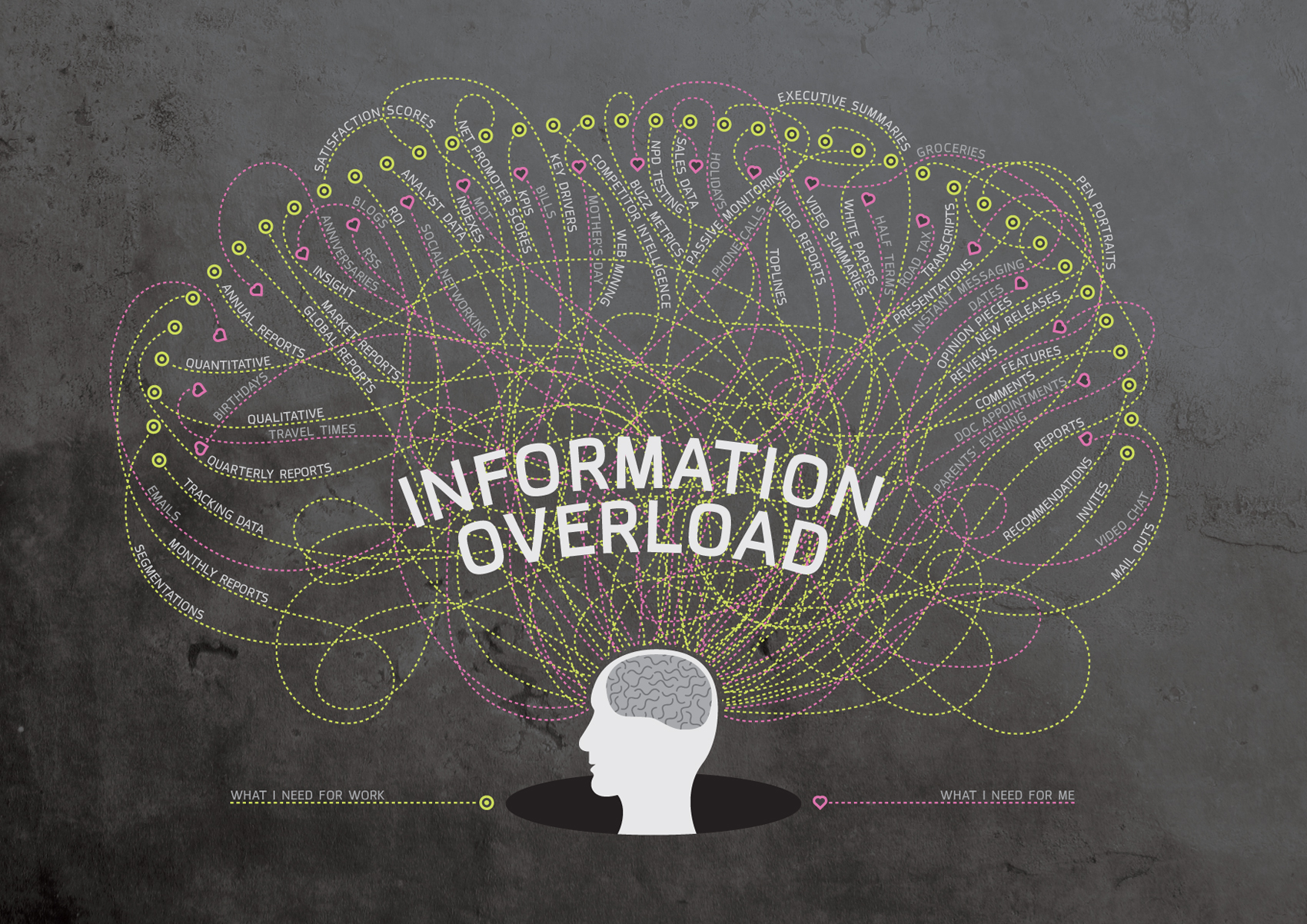
The consequences of information overload can be far-reaching and negatively impact employee productivity, well-being, and mental health. Some of the effects of information overload include:
- Decision fatigue: The inability to make decisions due to the overwhelming amount of information available.
- Poor concentration: The difficulty in focusing on tasks due to the constant stream of information.
- Increased stress: The emotional toll of information overload can lead to increased stress levels, affecting employee well-being and mental health.
Strategies for Managing Information Overload
Managing information overload requires a multifaceted approach that involves employees, managers, and organizations. Some strategies for managing information overload include:
- Implementing communication protocols and guidelines to reduce unnecessary emails and messages.
- Providing training and support to employees on prioritization and focus techniques.
- Encouraging a culture of transparency and trust, where employees feel comfortable sharing information and asking questions.
- Using technology to automate tasks and reduce the amount of information that needs to be processed.
Conclusion
Information overload in the modern workplace is a growing concern that requires immediate attention. By understanding the causes and consequences of information overload and implementing strategies to manage it, organizations can reduce the negative impact on employee productivity, well-being, and mental health. By working together, employees, managers, and organizations can create a more productive and efficient work environment.
Recommendations
For organizations looking to mitigate information overload, the following recommendations can be implemented:
- Conduct a thorough analysis of communication protocols and guidelines to ensure they are effective and efficient.
- Provide regular training and support to employees on prioritization and focus techniques.
- Establish a culture of transparency and trust, where employees feel comfortable sharing information and asking questions.
- Implement technology solutions to automate tasks and reduce the amount of information that needs to be processed.
By implementing these strategies, organizations can reduce information overload and create a more productive and efficient work environment.